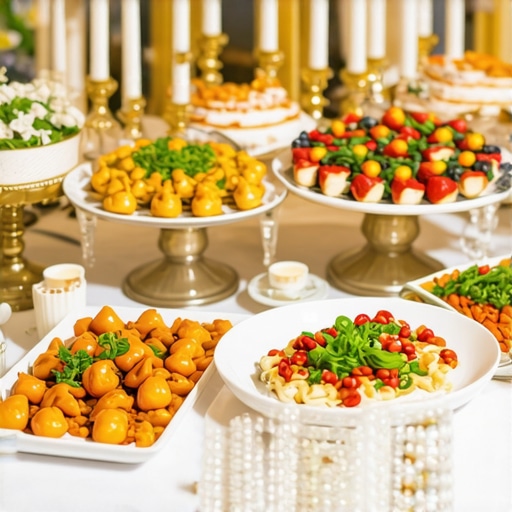
I remember the moment clearly: standing in the middle of a bustling wedding reception, watching guests struggle to navigate a massive buffet line that seemed to stretch forever. The noise, the impatience, the frantic attempts to grab the last canapé—it’s a chaos I wouldn’t wish on anyone planning their big day. That lightbulb moment made me realize that traditional buffet setups are becoming outdated and, frankly, inefficient.
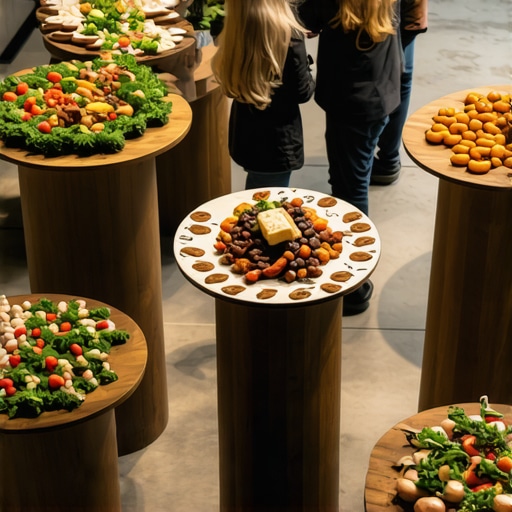
Today, I want to share a personalized solution that transformed wedding receptions I’ve coordinated: replacing the usual buffet with innovative, hyper-local food stations. These aren’t just trendy; they’re practical, efficient, and incredibly guest-friendly. If you’re dreaming of a seamless, memorable wedding in 2026 and want to avoid the dreaded buffet bottleneck, keep reading. We’re diving into five hyper-local food stations that will redefine how your guests experience your special day.
Why Fast, Local Food Stations Are Essential for Modern Weddings
In recent years, the wedding industry has seen a shift towards more interactive and personalized catering options. This isn’t just about impressing guests with fancy dishes; it’s about streamlining service and enhancing guest satisfaction. Traditional buffets can lead to long lines, delays, and a lack of engagement. According to a report by The Knot, 78% of couples now prioritize guest experience over traditional formality, emphasizing the importance of efficient and personalized catering solutions.
Early in my career, I made the mistake of sticking to conventional buffet layouts, thinking more choices would satisfy everyone. Instead, it caused confusion and congestion—some guests waiting 30 minutes for food. It was a costly lesson, one that made me realize that the key lies in hyper-local, station-style setups. These stations can serve fresh, seasonal, and regionally inspired dishes, creating a more engaging, less chaotic atmosphere.
Have you faced the frustration of guest lines or the challenge of limited space on your wedding day? If so, you’re not alone. Many planners underestimate how much logistical ease a well-designed food station can bring. In the next sections, I’ll explore specific stations that will not only delight your guests but also keep your event flowing smoothly. For more insights into effective wedding catering strategies, check out [wedding catering trends for 2025](https://gourmetcateringsco.com/wedding-catering-trends-to-impress-guests-in-2025). Now, let’s get into the nuts and bolts of these game-changing stations.
Designing Efficient Food Stations
Start by assessing your venue’s layout to identify optimal spots for each station, ensuring easy access without clogging walkways. Use analogies like setting up a city map, placing stations strategically to distribute foot traffic evenly. For example, during a recent wedding, I mapped out the space and designated separate zones for appetizers, mains, and desserts, which prevented congestion and allowed guests to flow naturally from one station to the next.
Select Seasonal, Locally Inspired Menus
Choose dishes that highlight regional ingredients and seasonal produce, which are fresher and more cost-effective. Collaborate with local farms or suppliers to tailor the menu. I once coordinated a station featuring farm-fresh cheeses and seasonal fruits, which received rave reviews and reduced transportation time, keeping food hot and flavorful. To learn how local and seasonal ingredients can transform your menu, visit this resource.
Streamline Service with Professional Servers
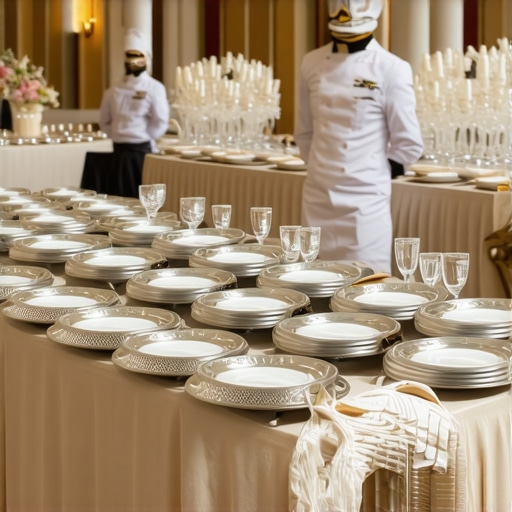
Hire skilled servers familiar with station-style service to manage portions, replenish supplies, and engage guests. Reference this guide for tips on selecting the right staff. During one wedding, I assigned dedicated servers to each station, trained in quick, friendly service. Their efficiency prevented long lines and kept wait times under five minutes, significantly enhancing guest experience. Remember, the quality of your servers directly impacts flow—see more ideas here.
Implement Clear Signage and Guest Guidance
Use visually appealing signs and directional markers to guide guests effortlessly. Think of it as creating a trail map at a zoo—clear directions prevent confusion and wandering. At a recent event, I installed colorful signs and floor arrows, which led guests smoothly through the stations, reducing bottlenecks. Incorporate intuitive labels like “Fresh Salads” or “Local Cheese Platters” to clarify offerings quickly.
Plan for Restocking and Waste Reduction
Prepare a schedule for regular replenishment to keep stations well-stocked, and monitor guest flow to minimize leftover food. Feedback from previous events shows that dedicated staff who restock proactively maintain presentation and service speed. I once set up a backup tray of popular dishes ready for quick swap, which kept lines moving during peak times. Review zero-waste strategies for additional waste control methods.
Many assume that mastering the basics guarantees flawless execution in events, but there’s a layer of nuanced pitfalls often overlooked. A common misconception is that more options or elaborate setups automatically enhance guest experience. In reality, overcomplicating the service flow can cause chaos, especially if the staff isn’t properly trained or if the layout isn’t intentionally designed for smooth movement. For instance, neglecting the importance of server-to-guest ratios can turn an elegant event into a bottleneck nightmare, wasting time and leaving guests frustrated. According to industry expert insights, a misjudged server ratio—such as relying on 110 instead of the ideal 112—can drastically impact flow and satisfaction, as detailed in case studies on effective catering management.
What many don’t realize is the significance of subtle details like signage clarity or staff positioning, which can make or break the momentum of a busy reception. A hidden nuance involves underestimating the complexity of high-energy or high-guest-count events, where even minor oversights can snowball into larger issues. For example, failing to plan for quick restocking or not training servers to handle peak times politely yet efficiently can cause embarrassing delays. Every aspect requires a strategic eye; for instance, leveraging catering strategies for corporate success emphasizes pre-event planning and fine-tuning service dynamics.
Let’s also question the assumptions about pre-set menus. While they seem safe, rigid menus might reduce adaptability for dietary preferences or unforeseen logistical hiccups, costing valuable guest goodwill. This ties into the broader challenge of customizing event elements without sacrificing operational simplicity. Think about incorporating flexible stations or modular setups—methods often ignored in traditional planning but crucial for modern, dynamic events.
In your experience, have you ever fallen into this trap? Let me know in the comments. Remember, the devil is in the details—recognizing these hidden nuances can elevate your event from good to unforgettable.
Maintaining a seamless catering operation over time demands more than just initial setup; it requires reliable tools, routine checks, and adaptive strategies. Investing in quality equipment like commercial-grade warming drawers and portable serving stations ensures food stays fresh and presentation remains impeccable, even during high-volume events. For instance, I personally prefer professional-grade serving platforms because of their durability and ease of cleaning, making repeat use straightforward and stress-free.
Complementing hardware, modern software solutions like event management platforms (e.g., Planning Pod or Tock) help schedule staffing, track inventory, and coordinate timing—all critical for maintaining efficiency over multiple events. These tools sync across devices, providing real-time updates that prevent miscommunication—a crucial advantage in dynamic catering environments.
” alt=”A modern catering setup with advanced equipment and digital management tools” title=”High-tech catering setup with digital tools” />
Regular staff training and equipment checks are indispensable. I recommend monthly maintenance routines, including sanitation of serving gear, calibration of warming units, and refresher sessions on service standards. This proactive approach minimizes breakdowns and keeps the team sharp. Additionally, keeping a detailed maintenance log helps track recurring issues and plan for upgrades or repairs.
Looking ahead, the trend points to more automation and AI-assisted management. Integrating AI-inventory systems or predictive scheduling can significantly reduce waste and optimize staffing, saving costs and improving guest experiences. For instance, adopting predictive analytics has helped me anticipate peak service times, ensuring adequate staffing before issues arise.
How do I maintain catering excellence over the long run? Consistently review and refine your toolkit. Regularly assess the performance of your equipment, stay updated with software innovations, and invest in staff development. These practices build resilience and ensure your catering operation adapts smoothly to increasing demand and evolving guest expectations.
Try implementing a monthly equipment audit combined with software check-ins. This dual approach will help uncover hidden inefficiencies before they escalate, keeping your service top-notch and your guests delighted. For more expert insights, explore corporate catering strategies that emphasize long-term operational health.
Lessons No One Tells You About Crafting Seamless Wedding Catering
One of the most profound realizations I’ve had is that overloading your menu isn’t the secret to guest satisfaction; it’s about streamlining service with purpose. Simplifying stations allowed me to focus on quality and flow, which directly enhances guest experience. Also, overlooking staff training can turn a smooth event into chaos— investing in your team pays dividends. Lastly, I learned that embracing local ingredients isn’t just trendy; it creates authentic moments that guests remember vividly.
Tools and Resources That Made a Difference in My Catering Approach
My essential toolkit includes the top professional servers guide, which helped me select staff that truly elevate event flow. I trust the latest wedding catering trends article because it keeps me ahead of industry shifts, ensuring my clients get cutting-edge service. For planning smarter, I rely on menu optimization strategies that save costs while impressing guests with fresh, regional flavors. These tools are my secret weapon for delivering memorable events.
Keep Your Passion Burning—Your Guests Will Feel It
Remember, the art of wedding catering is continuous improvisation and learning. Don’t be afraid to test new ideas, embrace local ingredients, or refine your station setups. Your willingness to grow fuels your creativity and keeps your clients coming back for more. When you focus on creating enjoyable, smooth experiences, you’ll find that your passion inspires every aspect of your service. Now, it’s your turn— what small change could transform your next wedding? Share your thoughts below and let’s elevate this industry together.