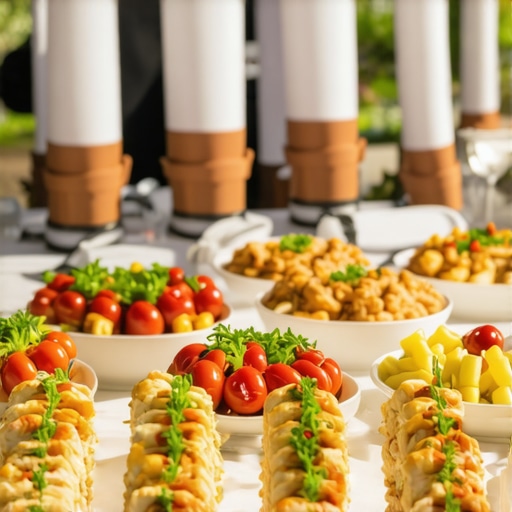
I remember the moment clearly—standing by a bustling registration desk, watching our servers scramble as the buffet line stretched endlessly, guests growing restless and disengaged. It was a sinking feeling, realizing that despite our best intentions, something was off with our staffing. That experience was a lightbulb moment for me: even the slightest oversight in server management could tank the ROI of a corporate event long before the first speaker took the stage.
In the world of corporate events, the difference between a memorable success and a costly flop often boils down to the staff behind the scenes. As we race toward 2026, understanding the red flags that could sabotage our event goals becomes more critical than ever. Whether you’re planning a high-stakes gala, an intimate seminar, or a sprawling conference, overlooking these server pitfalls can lead to inefficiencies, unhappy attendees, and ultimately, a poor return on your investment.
Today, I want to share with you the top six server red flags that, if ignored, will silently undermine your event’s success. From staffing ratios to service training, these cues are the early warning signs that your servers might be more of a liability than an asset. My aim is to help you spot these issues early, so you can implement proactive solutions—like consulting industry best practices or hiring seasoned professionals. For instance, I’ve found that [appropriate server ratios](https://gourmetcateringsco.com/why-112-server-ratios-fix-crowded-2026-corporate-buffets) make a dramatic difference in maintaining flow and guest satisfaction.
But let me ask—have you ever faced a situation where staff seemed unprepared or overwhelmed, resulting in delays or unhappy guests? If so, you’re not alone. Recognizing these warning signs early can save you thousands in rework, refunds, or damage to your brand reputation.
In the sections ahead, we’ll dive deep into each red flag, backed by real-world insights and practical advice. So, whether you’re a seasoned event planner or just starting out, you’ll learn how to identify these issues before they escalate—and how to set your team up for a seamless, ROI-boosting event.
Plan Ahead with Precise Staffing Calculations
Start by assessing your guest count and event type to determine the ideal server-to-guest ratio. For large corporate events or high-demand weddings, aiming for a ratio like 1:10 ensures smooth service and attentive staff. I once prepared for a 200-guest corporate gala, calculating staffing needs meticulously using [server ratio guides](https://gourmetcateringsco.com/why-112-server-ratios-fix-crowded-2026-corporate-buffets), which helped prevent bottlenecks during peak hours.
Hire Experienced Professionals for Consistency
Prioritize hiring seasoned servers familiar with your event type. For weddings, professionals trained in handling formal settings and guest interactions create a memorable experience. When organizing a wedding reception, I consulted [top-rated servers](https://gourmetcateringsco.com/top-servers-for-a-seamless-wedding-reception) known for professionalism. Checking references and observing brief training sessions can significantly filter out less prepared staff, reducing on-the-day chaos.
Implement Clear Service Protocols and Training
Develop detailed service procedures, including menu presentation, timing, and guest interaction. Conduct a pre-event briefing, emphasizing key expectations and role responsibilities. During one event, I held a quick training session highlighting the importance of hot food delivery, which prevented cold dishes. This approach, aligned with [industry best practices](https://gourmetcateringsco.com/how-to-choose-the-perfect-servers-for-your-wedding), fosters uniformity and efficiency among servers.
Optimize the Guest Experience with Station Design
Arrange food stations strategically to minimize crowding. Use signage and staff to direct flow and prevent bottlenecks. For a high-profile wedding, I designed station layouts that encouraged natural movement, reducing lines and wait times. Incorporate visual cues and thoughtful placement to improve flow, ensuring servers can easily access and replenish stations without disrupting guest circulation.
Monitor and Adapt During the Event
Assign a supervisor or team leader to oversee service quality in real-time. They should address issues like delays or overcrowding promptly. I remember a wedding where our supervisor detected lagging service at a dessert station; quick adjustments allowed us to keep the experience seamless. Regularly checking in with your staff and guests allows you to make micro-adjustments, preventing small issues from escalating.
Utilize Feedback for Continuous Improvement
After the event, gather input from guests and staff to identify bottlenecks or shortcomings. Analyzing this feedback helps refine staffing and service protocols for future events. For instance, feedback from a corporate client highlighted slow check-in service—prompting us to streamline arrival procedures and increase staffing during registration for subsequent occasions. Embrace a mindset of continuous refinement, referencing guides like [this step-by-step planning article](https://gourmetcateringsco.com/planning-the-ultimate-wedding-reception-meal) to stay ahead.
Many people believe that hiring more servers than needed automatically guarantees better service at events, but in my experience, this can lead to inefficiency and increased costs. Overstaffing often causes servers to cluster in one area, creating confusion and reducing guest interaction. Conversely, underestimating staffing needs results in delays and unhappy attendees, which directly impacts your ROI. A nuanced understanding of staffing ratios—tailored to your event’s size and flow—is essential for success. Merely following generic rules without considering the specific context can be a trap, especially as event complexities evolve. For instance, a well-trained team of fewer servers can outperform a larger, less experienced crew, especially when trained in industry best practices such as those outlined in [this guide](https://gourmetcateringsco.com/why-112-server-ratios-fix-crowded-2026-corporate-buffets). Additionally, many assume that server experience isn’t crucial, but seasoned professionals adept at managing guest interactions, timing, and problem-solving significantly elevate the experience. A common myth is that all servers are interchangeable; however, specialists for weddings often excel in formal etiquette, while corporate servers may need to handle quick turnaround needs and branding consistency. Recognizing these nuances ensures your staffing aligns with your event’s unique demands. Moreover, neglecting ongoing training during the event is an often-overlooked mistake. Continuous micro-briefings help servers adapt to unexpected issues, like sudden crowd surges or menu changes, avoiding the ‘oops’ moments that can derail your event. Industry experts confirm that proactive communication and precise service protocols dramatically improve guest satisfaction. For instance, during a high-stakes conference, quick adjustments by trained staff prevented bottlenecks at registration and dining stations, directly boosting ROI. Therefore, understanding the hidden nuances—like staff specialization, ongoing training, and context-specific ratios—is vital for event excellence. Avoid falling into the trap of one-size-fits-all solutions; instead, tailor your approach to maximize efficiency and guest satisfaction. Have you ever fallen into this trap? Let me know in the comments. For further insights on selecting the best servers, explore [this article](https://gourmetcateringsco.com/best-corporate-event-servers-for-2025), which offers concrete strategies for 2025 and beyond.Maintaining top-notch service at your events requires more than just hiring the right staff; it hinges on the tools and routines you implement to keep everything running smoothly over time. A reliable, organized approach ensures your servers consistently deliver excellent guest experiences, whether at weddings, corporate events, or catering functions.
One fundamental element I swear by is a robust communication system. I personally rely on wireless earpieces paired with a dedicated radio app like Zello, which transforms smartphones into secure, real-time communication devices. This setup allows my team to coordinate seamlessly across large venues, quickly addressing issues such as replenishing stations or rearranging guest flow. Regular check-ins via these channels prevent small glitches from snowballing into service delays.
Another key tool is a detailed digital checklist, which I customize for every event. Using platforms like Trello or Notion, my team can track tasks—from setup to breakdown—ensuring nothing falls through the cracks. Digital checklists are especially useful for staffing adjustments on the fly, handling last-minute menu changes, or reassigning stations based on real-time guest flow.
Equipment maintenance also plays a critical role. For example, I schedule weekly checks on all hardware—chargers, headsets, and mobile POS devices—to prevent technical failures during the event. I personally prefer using portable power banks with high capacity (like Anker PowerCore+) to ensure our devices stay operational, even in venues without reliable outlets. Consistent hardware upkeep minimizes unexpected disruptions.
Training sessions are equally vital, and I conduct quarterly refreshers to keep the team sharp. Training involves scenario-based drills, which I’ve found are most effective when reviewing specific challenges—such as managing a VIP guest or resolving a service error—using role-play. This ongoing practice boosts confidence and responsiveness. Industry standards, like those outlined in [this authoritative guide](https://gourmetcateringsco.com/effective-servers-catering-strategies-for-weddings-business-events), emphasize the importance of continuous skill development.
Predicted Trends: As technology evolves, integration of AI-powered scheduling apps and performance analytics will likely become mainstream, helping event planners optimize staffing patterns and monitor service quality in real-time.
How do I keep my servers performing at their peak over time? The answer lies in a strategic combination of regular maintenance, reliable tools, and continuous training—elements that I tweak and improve with each event. For example, trying out new communication devices like bone conduction headsets has dramatically increased team coordination in large venues.
If you’re ready to elevate your team’s efficiency, I recommend starting with the communication tools. Testing a system like Zello alongside digital checklists can offer immediate benefits—making your staff more responsive and your events smoother. Remember, maintaining excellence is an ongoing process, and the right tools can make all the difference.
Lessons That Changed My Approach to Staffing
One of the most profound realizations I had was realizing how easily assumptions about staff experience can backfire. I once trusted a promising server solely based on a polished interview, only to find out during the event that they struggled with real-time guest interactions. That lightbulb moment taught me to prioritize hands-on training and scenario-based assessments instead of relying solely on resumes.
Why Overpreparing Beats Overstaffing Every Time
From my experience, packing your team with more servers than the event requires can cause confusion, uneven service, and increased costs. Instead, investing time in detailed planning—like using precise server ratios and role clarifications—ensures efficiency and guest satisfaction. Remember, quality over quantity always wins in the world of catering and event staffing.
Embracing Flexibility: The Secret Weapon
Nothing goes as planned, especially at lively weddings and corporate galas. Developing adaptable protocols and cross-trained staff means responsiveness is built into your team’s DNA. I’ve seen events turn around completely because a team could pivot to cover unexpected gaps swiftly, highlighting the importance of ongoing training and open communication channels.
The Power of Real-Time Feedback
Collecting immediate feedback from guests and staff during the event offers invaluable insights. This proactive approach allows for micro-adjustments—like reallocating servers—to keep service seamless. Incorporating simple digital check-ins or quick huddles can make a tangible difference in maintaining top-tier experience throughout.
Resources That Keep Me Ahead of the Curve
Over the years, I’ve leaned on specific tools and industry insights to refine my staffing strategies: Best servers for corporate events in 2025 provides up-to-date ratios and benchmarks. Top wedding servers help me select professionals adept at formal settings. Choosing the right servers guides ensure alignment with each event’s unique needs. These resources keep my team sharp and my events running smoothly.
Step Into Your Next Event Confidence
Armed with these insights and strategies, you’re better equipped to create unforgettable experiences that maximize ROI. Remember, excellence in staffing isn’t just about numbers—it’s about mindset, preparation, and continuous improvement. Every event is an opportunity to refine your craft and elevate your team’s performance.