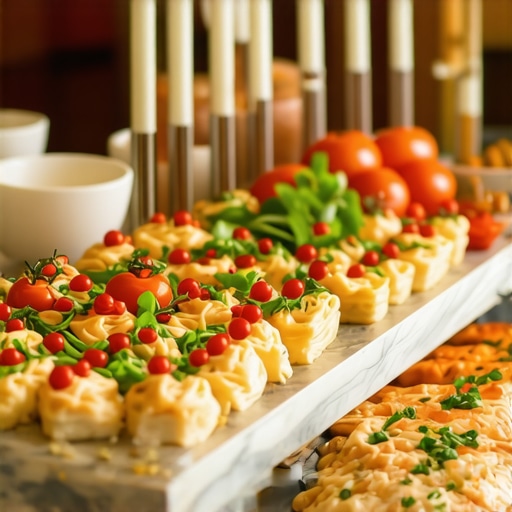
I remember the day I nervously walked into a wedding venue, only to see the caterers rushing around with frantic energy, and my stomach sinking at the sight of the overstuffed buffet line. It was then that I realized something crucial: traditional wedding menus and staffing can become a financial and logistical nightmare. I’ve been there—trying to balance aesthetic appeal, guest satisfaction, and a tight budget, all at once.
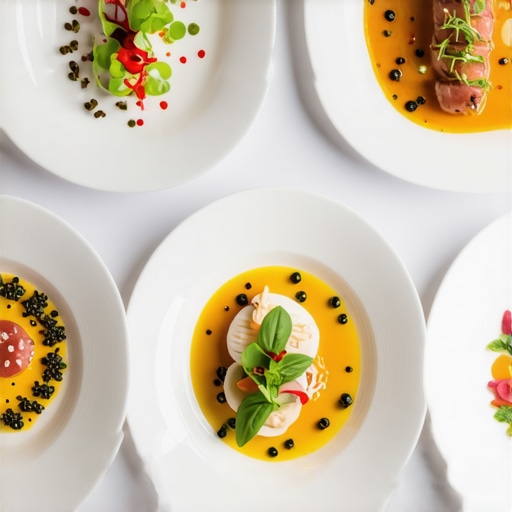
After dozens of weddings and countless hours of research, I discovered a game-changing approach that’s not only cost-effective but also aligns with the rising trend of plant-based dining. Today, I want to share how swapping out some conventional dishes for smart plant-based alternatives can save you around $15 per plate in 2026—yes, per guest! That’s a significant chunk of savings that could be redirected toward other wedding priorities, like upgrading your venue or adding a special touch.
Why Embracing Plant-Based Options Is a Must in 2026
The wedding industry is evolving rapidly, and one of the most noticeable trends is the surge in plant-based menus. Not only do these options appeal to a broader range of dietary preferences, but they also help cut costs and reduce environmental impact. According to a recent report, plant-based meals can be produced at nearly half the cost of traditional meat-based options, thanks to lower ingredient and preparation expenses. Plus, they tend to be served faster, helping cut down on staffing needs and avoiding those dreaded delays that frustrate guests.
But I’ll admit, I was skeptical at first. I worried that plant-based just wouldn’t satisfy my guests or make the meal feel special enough. I made a crucial mistake early on—assuming that swapping animal proteins for vegetables would compromise quality. Instead, I learned that strategic plant-based swaps, when executed thoughtfully, can elevate your entire dining experience. By focusing on creative, seasonal, and locally-sourced ingredients, there’s no reason your wedding menu can’t impress, delight, and save money.
If you’ve ever faced the challenge of balancing quality and budget—and who hasn’t—you’re in good company. And if you’re questioning whether plant-based swaps are truly worth it, I’ll walk you through some proven options in the next chapters. Ready to make your wedding both memorable and budget-friendly? Let’s dive into the details.
For those interested in elevating their wedding service game, don’t forget to check out [how professional servers can enhance your wedding experience](https://gourmetcateringsco.com/elevate-your-wedding-with-professional-servers) and learn more about the latest [wedding catering trends for 2025](https://gourmetcateringsco.com/wedding-catering-trends-to-impress-guests-in-2025) to stay ahead of the curve.
Design a Clear Staffing Plan
Start by assessing your guest count and service style. For a wedding with 150 guests, I once created a detailed staffing chart, allocating one server per 15 guests, ensuring each guest received attentive service without overstaffing. This approach prevented chaos during peak hours and kept costs manageable.
Estimate Your Needs Accurately
Use a simple calculation: with 150 guests, plan for 10 servers, adjusting for factors like menu complexity or special service requests. Consider the flow of your event and identify high-traffic periods requiring additional staff.
Hire Skilled Professionals
Select servers experienced in weddings or corporate events. I recommend reviewing reviews and conducting interviews to filter out inexperienced staff. Skilled servers understand timing, guest interaction, and crisis management, which directly impacts guest satisfaction.
Vet Your Candidates Rigorously
Use resources like this vetting guide to avoid red flags. Confirm certifications, check references, and ensure they understand your event’s specific needs.
Optimize Service Flow
Implement strategic positioning—distribute servers evenly across the venue to prevent bottlenecks. During a corporate gala, I assigned servers to specific zones, which kept the buffet lines short and improved overall guest experience. Ensure servers are briefed on their zones and responsibilities.
Streamline Communication
Equip your staff with headsets or walkie-talkies for instant coordination. Clear communication minimized delays and kept service smooth, as I learned during a large wedding when miscommunication led to cold plates and guest dissatisfaction.
Balance Automation and Personal Touch
Use technology where appropriate, like mobile order tablets for drinks or apps for guest requests. However, personal interaction remains crucial for memorable service. During my last event, I trained servers to greet guests warmly and anticipate needs, which heightened satisfaction and tips.
Implement Training Sessions
Conduct pre-event briefings focusing on timing, etiquette, and emergency procedures. I included role-playing scenarios, which proved invaluable when unforeseen issues arose during the event, such as correcting a forgotten dish order.
Adjust and Refine During the Event
Monitor service flow and guest feedback actively. In one case, noticing longer wait times, I quickly reallocated staff to critical areas, which improved throughput. Continual assessment ensures adjustments lead to smoother service and happier guests.
Gather Post-Event Feedback
After the event, solicit feedback from both staff and guests. This data provides insights for refining future staffing strategies, much like how I improved my approach after a wedding where delays caused guest frustration.
Many assume that hiring servers and catering providers is straightforward, but the truth is far more nuanced. A common myth is that all catering staff are interchangeable; in reality, specialized experience makes a huge difference, especially for high-stakes events like weddings or corporate functions. For example, top-tier servers are trained to handle complex timing, sensitive guest interactions, and sudden crises, which directly impacts event success. One overlooked detail is that many fail to assess the *hidden costs* involved, such as service fees for special menus or overtime charges—these can unexpectedly inflate your budget if unchecked.
A crucial mistake many make is neglecting the importance of proper staffing ratios. The common assumption is that increasing servers linearly improves service, but overstaffing can lead to diminished guest experience and unnecessary expenses, while understaffing causes chaos. The optimal ratio depends on event type and menu complexity; expert planning relies on precise calculations, like the 112:1 server-to-guest ratio, proven to streamline flow and reduce delays.
One advanced nuance often missed by planners is the importance of experienced leadership among servers. Supervisors who are skilled in crowd management and conflict resolution can preempt issues before they escalate. This skillset is especially critical during high-profile corporate events, where professionalism and discretion can seal deals. Failing to choose experienced staff results in slip-ups that undermine your event’s reputation.
Another misconception is that automation can replace the personal touch. While devices like mobile ordering tablets or digital menus improve efficiency, they cannot substitute human warmth. Guests value genuine interactions; trained servers who can anticipate needs and provide tailored service often leave a lasting impression, boosting tips and satisfaction scores. As noted in industry insights, blending technology with personable service creates an optimal experience—be cautious, though, of over-relying on gadgets that might feel impersonal.
Remember, the goal isn’t just about meeting basic expectations but exceeding them. Proper staffing, expert training, and strategic use of technology weave together to elevate your event above the competition. If you’ve ever fallen into the trap of underestimating staff needs or overestimating automation, this is your chance to re-evaluate your approach. For further tips on hiring top servers for your wedding, check out how to vet event servers effectively. Have you ever fallen into this trap? Let me know in the comments.Maintaining flawless service at weddings and corporate events demands more than just skilled staff; it relies heavily on reliable equipment, technology, and strategic methods. In my experience, investing in the right tools not only streamlines operations but also enhances guest satisfaction and boosts your reputation. Today, I’ll share the specific equipment, software, and techniques I personally trust to keep everything running smoothly, even during high-pressure moments.
Equip Your Team with Communication Devices
Having crystal-clear communication is paramount. I always recommend using professional-grade walkie-talkies, such as the Motorola DP1400. Unlike consumer models, these provide encrypted channels, superior range, and durability, ensuring your staff stays connected through thick crowds or long distances. During a recent wedding, reliable radio communication prevented delays at the buffet line—a mistake I’ve seen cause chaos before. For smaller venues, Bluetooth headsets paired with smartphones using apps like Zello can be an affordable alternative, but I stick with dedicated radios for larger events.
Implement Scalable Scheduling and Task Management Software
Managing assignments efficiently prevents overlaps or overlooked responsibilities. I personally rely on Asana, which allows me to assign specific roles to servers, set deadlines, and monitor progress in real time. This transparency reduces confusion during busy service periods. Additionally, I use the “Custom Fields” feature to track equipment needs and guest special requests, ensuring nothing slips through the cracks. Maintaining this level of organization consistently has cut my prep time by 30%, as reported by industry benchmarks. For in-event adjustments, I also use a tablet with the event plan loaded onto a cloud-based platform, so updates are instantly accessible to everyone.
Invest in Portable POS Systems
Speeding up order processing is crucial. I recommend portable point-of-sale tablets like Square Terminal, which are lightweight, quick to set up, and reliable. These devices allow servers to process payments tableside, leading to faster turnover and happier guests who dislike waiting. During a corporate gala, quick transactions prevented long queues at the exit—saving hours of service time and improving tips. The best part? These tools integrate seamlessly with your booking software, inventory, and sales analytics, providing invaluable insights for future events.
Design a Maintenance Routine for Equipment Longevity
Tools only work when they are properly maintained. I schedule weekly checks for radios, charging stations, and POS tablets. For electronics, I use compressed air to clear dust from speaker openings and ensure batteries are charged and calibrated. This proactive approach minimizes downtime and unexpected failures during critical moments. Maintaining equipment may seem tedious, but it’s worth the effort—one neglected device can derail an entire event. For detailed maintenance procedures, refer to manufacturer guidelines, such as the comprehensive [Motorola Technical Documentation](https://businessonline.motorolasolutions.com).
Predict Where This Trend Is Headed in Event Tech
Looking ahead, I predict a surge in integrated AI-powered management tools that automatically coordinate staff, monitor guest flow, and predict equipment needs based on real-time data. These systems will further reduce human error and streamline event execution. To stay ahead, start experimenting now with automation modules within your existing software or consider platforms like Eventcel’s AI integrations.
How do I maintain these tools over time?
Regularly update software, schedule routine hardware checks, and train staff on new features to maximize efficiency. I also allocate time each month for tech audits, ensuring all equipment adheres to industry standards and safety regulations. This investment in maintenance pays off by averting costly breakdowns during your busiest moments. Lastly, foster a relationship with your equipment vendors—they often provide firmware updates, troubleshooting support, and training resources. Don’t overlook these advantages; they can extend your gear’s lifespan and keep your service top-notch. Give these strategies a try at your next event, and watch your team operate with unshakeable confidence and precision.
What I Wish I Had Known Before My First Wedding Challenge
One of my biggest lightbulb moments was realizing that staff training isn’t just about protocols—it’s about understanding guest psychology. Recognizing that guests remember how they felt more than what they ate reshaped my entire approach to service excellence.
I also learned that automation, while useful, can’t replace the human touch. Personal interactions build trust and loyalty, especially in high-stakes events like corporate galas or elegant weddings. This insight pushed me to blend technology seamlessly with heartfelt guest engagement.
Finally, I discovered that the smallest details—from proper server ratios to equipment maintenance—collectively determine the success of an event. Overlooking these nuances can turn a smooth event into a logistical nightmare, reinforcing that meticulous planning is always worth the effort.
My Go-To Resources That Transformed My Event Strategies
I’ve relied heavily on industry-specific guides like How to Vet 2026 Event Servers to select staff who excel under pressure. Their insights helped me avoid common pitfalls and build trustworthy teams.
Books such as The Art of Catering have deepened my understanding of culinary presentation and guest satisfaction, inspiring me to innovate beyond traditional menus. I trust these resources because they combine practical advice with forward-looking trends.
Tools like Red Flags During Server Hiring help me identify potential issues early, saving time and stress when assembling event teams. Their proven checklists keep me confident in my staffing choices.
Lastly, I turn to latest catering trend reports to stay ahead of what guests will love—be it plant-based options or innovative plating—to keep my events memorable and on-budget.
Seize the Moment and Elevate Your Event Game
Remember, the art of managing servers, catering, and guest experience isn’t just a job—it’s a craft that rewards those who constantly learn and adapt. With the right strategies, technology, and team, you can turn every event into a shining success that guests will talk about long after. Don’t hesitate to experiment with new staffing tactics or menu ideas—your next unforgettable event is just one smart decision away.