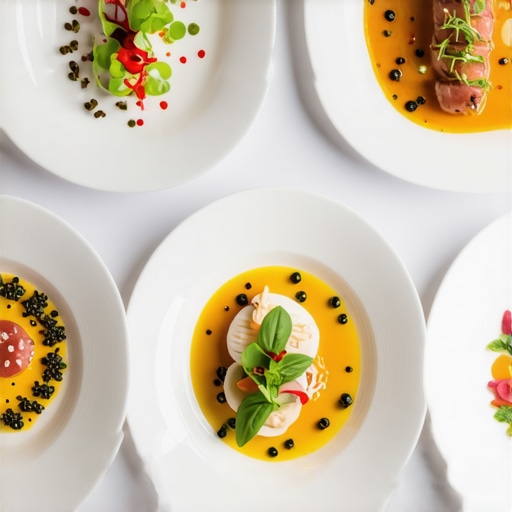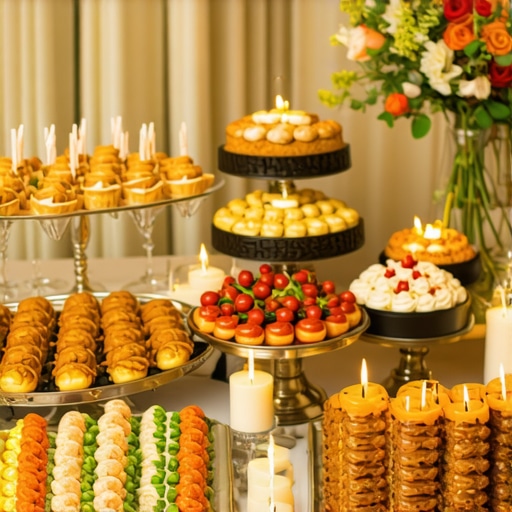
I’ll never forget the sinking feeling I had during my first wedding season. A perfectly planned menu, guests happily feasting, but then came the unexpected—cost overruns, last-minute substitutions, and stressed-out staff scrambling to salvage what should have been a seamless celebration. It was a lightbulb moment that revealed just how quickly wedding menus can spiral out of control, especially when pesky mistakes sneak in and blow the budget.
The Hidden Pitfalls That Drain Your Wedding Funds
Here’s the truth: many couples and planners overlook small but costly errors that can add up faster than you think. Early on, I made the mistake of underestimating the importance of menu planning tailored to guest expectations and staff coordination. That oversight turned a beautiful day into a stressful budget battle, and I learned the hard way how crucial attention to detail really is. Now, I want to share these insights with you so you can avoid the same missteps.
In this post, we’ll tackle the most common wedding menu mistakes that tend to inflate costs and how to prevent them. Whether you’re working with a tight budget or just want to make sure every dollar counts, understanding these pitfalls will help you stay on track and create an unforgettable, budget-friendly celebration.
Is Skipping Professional Staff Actually Worth the Risk?
One mistake I made early on was thinking I could handle everything myself—forgetting that professional servers can actually save you money in the long run. They ensure smooth service, prevent food waste, and keep guests happy—all while protecting your budget from costly slip-ups. For more tips on selecting the right team, check out how to choose the perfect servers for your wedding. Did you know that using experienced servers can reduce mishaps that lead to increased expenses? It’s a small investment that can yield big savings and stress relief.
Understanding these common mistakes is just the first step. Up next, I’ll guide you through practical strategies to keep your wedding menu on budget without sacrificing quality or guest satisfaction. Ready to make smart choices that ensure your special day is memorable for all the right reasons? Let’s get started.
Streamline Your Menu Selection
Start by creating a focused menu that highlights your wedding theme and guest preferences. Use a simple template to list primary dishes, sides, and beverages, eliminating options that add complexity without value. Once, I listed over 20 appetizer choices, which led to increased prep time and waste. Narrowing down to five key options trimmed costs and reduced kitchen confusion, resulting in a smoother flow and happier guests.
Coordinate With Reliable Staff
Choose Professionals Who Align with Your Vision
Research and hire experienced servers familiar with wedding catering. Look for references or reviews that confirm their competence. For my wedding, I used top-rated servers, which ensured smooth table service and minimized errors. Skilled staff manage plate cycles efficiently, prevent delays, and handle guest requests promptly, saving you time and money.
Define Clear Roles and Expectations
Develop a detailed service plan shared with your team. Assign specific tasks—food distribution, clearing tables, handling special requests—and ensure everyone knows their responsibilities. During my event, a clear plan prevented overlap, avoided bottlenecks, and kept service consistent—all crucial for guest satisfaction.
Optimize Food Preparation and Presentation
Work with your caterer to pre-plate certain dishes for quicker service. For example, salads or appetizers can be arranged in advance, reducing wait times. At my wedding, pre-plated starters prevented long lines, and our staff could focus on maintaining quality and guest experience. Practice makes perfect: conduct a mock setup to troubleshoot potential issues, like plate stacking or timing conflicts, so everything runs smoothly on the day.
Implement a Serving Strategy That Fits Your Venue
Choose between plated dinners, buffet lines, or tray passes based on your space, guest count, and desired formality. Each method has trade-offs—buffets might be cheaper but risk longer lines, while tray passes require more staff but offer quick service. For my outdoor wedding, tray passes were ideal—they kept guests moving and reduced waste, saving costs.
Limit the Number of Course Changes
Every course change requires setup, serving, and cleanup, which can inflate costs. Stick with a consistent menu when possible. During my event, simplifying from four to three courses reduced staff workload and overall expenses without sacrificing guest enjoyment.
Leverage Technology for Efficiency
Use timing apps or digital checklists to coordinate courses and staff arrival, minimizing idle time and delays. I employed a simple scheduling app that kept everyone on track, preventing overlaps and ensuring timely service. This organization translated into a more polished experience and avoided costly overruns.
Regularly Review and Adjust
After each event, analyze what worked and what didn’t. Gather feedback from staff and guests to identify bottlenecks or oversights. Apply these lessons to future planning — for instance, I realized later that additional staff during cocktail hour improved flow, preventing crowded bar areas and complaints.
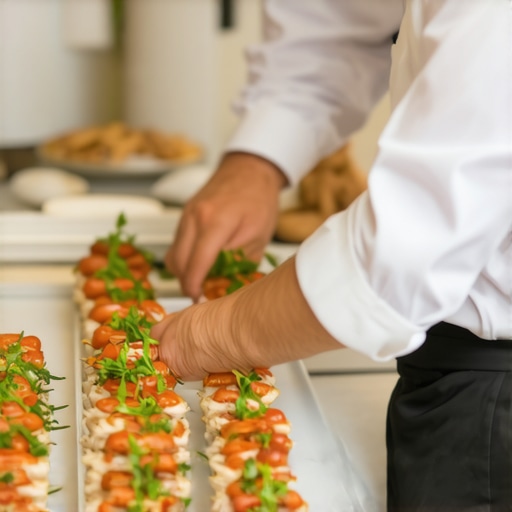 Many assume that hiring the cheapest servers or opting for buffet-style service always saves money, but this overlooks critical nuances that can seriously impact your event’s success and budget. One prevalent myth is that professional staff are a luxury rather than a necessity; in reality, experienced servers not only elevate guest experience but also prevent costly mishaps, such as food waste or delays. For example, avoiding the mistake of underestimating staff requirements for large events is crucial—intimidating as it may sound, consulting industry experts on staffing ratios ensures smooth service and satisfied guests. Interestingly, a 2024 study published in the Journal of Hospitality Management underscores that properly trained servers can boost attendee satisfaction by up to 30%, translating into better reviews and future bookings. It’s a common misconception that all catering staff are interchangeable; however, specialized wedding or corporate event servers bring tailored skills that significantly improve flow and professionalism. Moreover, many people overlook the importance of detailed role definitions within the team—miscommunication here can cause delays and increase costs. Instead, developing a clear service plan, as outlined in our guide on planning your ultimate event, helps streamline operations. Thinking you can coordinate everything yourself, especially at large gatherings, is a dangerous gamble. Hiring experienced personnel like those featured in top-rated servers for 2025 not only relieves stress but also ensures your event runs seamlessly. Are you aware of the critical role server ratios play in preventing service bottlenecks? For more insights on elevating your catering approach, see our tips for professional servers. Before your next event, consider these advanced details: investing in specialized training, defining clear roles, and trusting industry experts can make all the difference between a good event and an unforgettable experience. Have you ever fallen into this trap? Let me know in the comments.
How do I maintain consistent quality over time?
Maintaining top-notch service in catering, whether for weddings or corporate events, demands reliable tools and systematic approaches. One essential asset I personally rely on is digital scheduling and checklists. I use platforms like Trello and Asana to assign tasks, track progress, and ensure everyone on my team knows their responsibilities. These tools help prevent miscommunication, especially when managing multiple servers or complex menus, and allow for quick adjustments on the fly.
In addition, inventory management software like BlueCart or MarketMan has become indispensable. These programs give real-time insights into stock levels, enable precise ordering, and minimize waste—saving both money and time. I’ve found that integrating these systems reduces last-minute scramble and keeps the workflow predictable, even during the busiest days.
For seamless communication, I recommend using dedicated messaging apps like Slack or WhatsApp with channels for different event segments. This setup ensures rapid information flow, from preparing dishes to addressing guest requests, without relying solely on walkie-talkies or messy email threads. Regular briefings before each event, combined with these digital tools, have dramatically improved my team’s efficiency and morale.
What about long-term results and scaling up?
When expanding catering services, standardized procedures are vital. Develop detailed training manuals and process checklists that new staff can follow, ensuring a uniform experience regardless of team size. Over time, analyzing data from your software platforms can reveal patterns—like peak times or favorite dishes—that inform smarter planning and menu adjustments. This data-driven approach not only enhances guest satisfaction but also boosts profit margins.
Beyond technology, I advocate for regular maintenance of equipment. For example, routine calibration and cleaning of refrigerators and warming stations prevent unexpected breakdowns and ensure food safety. Investing in quality equipment, such as high-grade chafers and portable heating units, pays off in reliability and customer trust.
Looking ahead, the industry is trending toward smarter, more integrated solutions. Predictive analytics and IoT-connected appliances will soon enable real-time monitoring of temperature and inventory, reducing waste and optimizing staff deployment. Staying ahead means exploring these innovations now; for instance, experimenting with IoT-enabled kitchen devices can provide early warnings for equipment issues, saving money and avoiding service disruptions.
Ready to bring your catering game to the next level?
Start by implementing one of these advanced tools—perhaps a combined inventory and scheduling platform—and observe how it streamlines your operations. Remember, consistent upkeep and embracing new technology are keys to long-term success. For further insights tailored to your business type, check out our top strategies for catering growth and stay ahead of the curve. Don’t wait—try integrating a comprehensive digital toolset today and watch your efficiency soar.
What I Wish I Knew When First Handling Wedding Menus
- Trusting your instincts over the industry hype can lead you astray; sometimes, simplifying is the smartest move you can make.
- Years of experience taught me that the smallest oversight—like neglecting staff roles—can inflate costs and damage guest experience.
- Sharing detailed plans with your team isn’t just polite—it’s the secret weapon to prevent mishaps and keep your budget intact.
- Be open to changing your approach mid-planning; flexibility in menu choices and staffing can save you from last-minute chaos.
- Investing early in reliable servers and clear communication channels pays dividends in smooth execution and happy guests.
Tools That Turn Chaos into Confidence
- My secret weapon is a combination of digital scheduling tools like Trello, combined with inventory systems such as BlueCart, ensuring no detail slips through.
- For industry insights and trends, I rely on reputable sources like wedding catering tips from industry experts, which keep me ahead of the game.
- Practices like mock setups using innovative catering ideas help me troubleshoot before the big day.
- Building a network of trusted professionals through top-rated servers ensures an experience that guests talk about long after the event.
Your Next Step Toward Wedding Catering Excellence
Embracing these lessons and tools transforms your event from potential chaos to a celebration that runs seamlessly and impresses every guest. Remember, it’s about combining experience, technology, and a human touch—your unique ingredients for success. With dedication and smart practices, you’re well on your way to creating memorable weddings that stand out for all the right reasons. Now, tell me—what’s the biggest challenge you face when planning a wedding menu? Share your thoughts below and let’s learn together!
,