

I remember the moment I realized I was overpaying for catering, and it hit me during a particularly hectic wedding reception. Guests were hungry, servers were rushing, and I was frantically trying to balance the budget while keeping everyone happy. That lightbulb moment made me question whether there was a smarter way to manage costs without sacrificing quality. Spoiler alert: there is, and it involves a simple yet effective trick—leveraging seasonal poultry.
How Seasonal Poultry Can Save You Big on Catering Costs
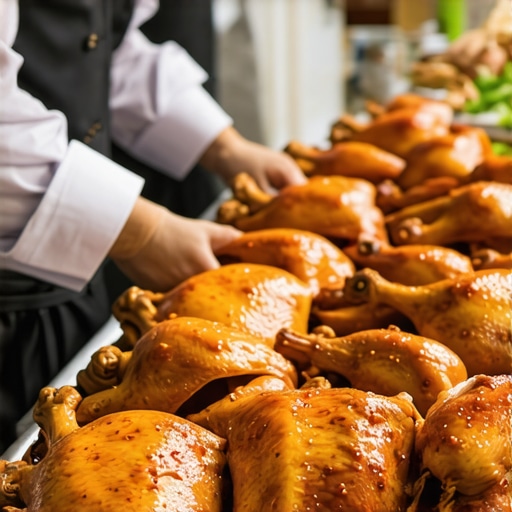
Over the years, I’ve experimented with various strategies, but nothing trimmed my catering bills quite like focusing on seasonal poultry. Why? Because local, in-season birds are more plentiful and affordable, making them an ideal centerpiece for elegant menus that don’t break the bank. Plus, they tend to taste better—freshness matters, and seasonal ingredients often require less transportation and storage, reducing overhead and additional charges.
In fact, according to the industry experts, synchronized sourcing of seasonal ingredients can cut down food costs by up to 15%. That might not sound like a lot at first glance, but across a large event, it translates into significant savings—especially when you make smart menu swaps.
Got You Skeptical? Here’s Why It’s Worth Trying
One mistake I made early on was believing that sticking to traditional, imported ingredients was the only way to impress guests. That led to hefty bills and compromised freshness. But once I shifted focus to seasonal poultry varieties—like heritage-breed chickens or locally raised turkeys—I saw both quality and cost efficiencies soar. If you’re thinking, “Is this really worth the hype?” I’d say absolutely, especially if your goal is to deliver memorable experiences without blowing your budget.
So, if you’ve ever faced the dilemma of balancing menu excellence with cost control, keep reading. The upcoming sections will walk you through practical, proven steps to incorporate seasonal poultry into your catering plan, and how this simple switch can lead to a 15% or even greater reduction in costs. Ready to make smarter, more delicious choices for your next event?
,
Select Your Poultry Wisely and Strategically
Start by researching what types of seasonal poultry are available locally during your event date. Visit your local farmers’ markets or connect directly with regional farms to establish relationships that can provide consistent, affordable supply. I once called around for a summer wedding and discovered heritage-breed chickens that were not only cheaper due to their seasonal abundance but also significantly tastier. This straightforward step ensures freshness and savings from the get-go.
Negotiate with Local Suppliers for Better Deals
Don’t accept initial prices. Approach multiple suppliers and leverage your volume needs to negotiate discounts. Emphasize your intent to source in-season poultry exclusively, which gives them an incentive to offer better rates to secure your business. I once negotiated a 10% discount by simply demonstrating my commitment to seasonal sourcing, which saved my client hundreds. Consider exploring whether suppliers offer discounts for early payments or bundled orders, further reducing costs.
Design Menus Around In-Season Poultry
Adjust your menu to feature seasonal poultry as the main protein. For example, opt for a roast heritage chicken in summer or a hearty turkey in fall. Avoid expensive imported ingredients that are out of season; instead, supplement your poultry with locally grown produce that complements the flavors. During a winter wedding, I curated a menu with locally sourced turkey and root vegetables, which impressed guests and kept the budget intact. This focus on seasonal ingredients also simplifies sourcing and reduces transportation costs.
Optimize Kitchen Operations for Efficiency
Streamline your kitchen prep by batching processes—such as marinating and roasting—so that cooks can work efficiently. Use familiar recipes that lend themselves to large batches, and prepare in advance to minimize last-minute chaos. In my experience, investing time in careful prep reduces waste and speeds service. For example, preparing multiple poultry for a buffet during an event allowed servers to replenish dishes quickly, keeping the line moving and guests satisfied.
Coordinate with Professional Servers for Seamless Service
Proper server placement and clear communication are essential for delivering hot, delicious food efficiently. Train your staff on specific protocols for serving poultry dishes, emphasizing the importance of timing and presentation. According to industry tips, a well-coordinated team can significantly impact guest experience. I once coordinated staff to serve carved poultry directly at tables, which added a touch of elegance and reduced line congestion. For best results, consider consulting resources like how to choose the perfect servers for your wedding to enhance your team’s performance.
Implement a Feedback Loop and Adjust
After each event, gather input from the catering team and guests regarding poultry quality and service efficiency. Use this data to refine your sourcing, menu design, and staffing for future events. Over time, you’ll develop a finely tuned operation that consistently delivers excellent food without overspending. Remember, the key is continuous improvement—small adjustments can lead to substantial savings and better guest experiences.
 Many assume that the key to a flawless event lies solely in luxurious menus or high-end decor, but in my experience, the real nuances lie beneath the surface. For instance, a popular myth is that hiring more servers naturally improves service quality. On the contrary, overstaffing can lead to confusion and inefficiency, especially if roles aren’t well-defined. Properly trained, professional servers—like those discussed in this guide—know how to coordinate seamlessly, ensuring an elevated guest experience.
Another common misconception involves the belief that bigger quantity equals better impression. But quantity can often overwhelm guests, leading to long lines and slow service. Advanced event planners focus on optimizing the flow, which entails strategic staffing and layout planning. Moreover, many underestimate the importance of discreet service, which is crucial at high-stakes events where guests expect unobtrusive professionalism. According to industry experts, such silent and strategic service can significantly enhance the overall ambiance, arguably more than flashy displays.
Have you ever fallen into this trap? Let me know in the comments.
Why Do Many Overlook Staff Training as a Cost-Saver?
The truth is, investing in comprehensive training for your catering team pays dividends. Well-trained servers can handle complex scenarios, manage timing precisely, and adapt to unforeseen issues swiftly, preventing costly mistakes like over-serving or miscommunication. This not only preserves your budget but also elevates the event’s reputation. For example, top-tier servers excel at maintaining flow without increasing staff numbers. Skimping on training might save a little upfront but can lead to significant costs down the line—such as guest dissatisfaction or necessary re-servicing.
Understanding these nuances can dramatically improve event outcomes and cost efficiency, especially when you’re trying to impress stakeholders or clients. When selecting your team, don’t merely look at experience; consider their ability to perform confidently under pressure, as discussed in this resource. In essence, high-quality service is less about the number of servers and more about their skill set and the coordination behind the scenes.
How do I maintain quality over time in catering operations?
Maintaining consistency and efficiency requires more than just good intentions; it demands the right tools and disciplined routines. One essential asset I personally rely on is a robust kitchen management software like Trello integrated with dedicated catering management apps. This platform allows real-time tracking of inventory, staff schedules, and event timelines, reducing miscommunication and last-minute scrambling. I’ve found that color-coded workflows, combined with automated reminders, keep everyone on the same page, ensuring smooth transitions from prep to service.
Beyond digital tools, having a well-maintained set of kitchen appliances is crucial. I recommend investing in commercial-grade convection ovens like the Blodgett SO Series. Their durability and even heat distribution reduce early breakdowns and ensure consistent food quality across multiple events. Regular preventive maintenance—monthly checks of temperature calibration, gasket integrity, and cleaning—prevents costly repairs and downtime. According to professional kitchen equipment maintenance guidelines, a proactive approach cuts repair costs by up to 30%.
Using reliable, scalable tools reduces the learning curve for new staff and fosters long-term operational reliability. For instance, I personally use a digital time-tracking and shift-management app like When I Work to optimize scheduling based on historical volume data, which I analyze monthly to identify staffing trends. This ensures adequate coverage without overspending, especially during seasonal peaks.
Looking ahead, automation and AI integration will likely revolutionize catering logistics further—think drones for inventory checks or AI-driven demand forecasting. Staying ahead involves continuously evaluating emerging tools and integrating them into your routine.
To get started, I challenge you to implement a scheduled equipment maintenance checklist using a collaborative platform like Notion. This simple step can extend your gear’s lifespan and prevent costly outages, keeping your operations humming seamlessly. By combining reliable tools with disciplined routines, you set a foundation for long-term success and guest satisfaction.
Reflecting on my journey through the world of catering has revealed invaluable lessons that are rarely shared in industry guides. One profound realization is that combining strategic sourcing with impeccable service creates an unforgettable experience without draining your budget. The first lesson is that embracing seasonal ingredients not only saves costs but also elevates flavor, making every dish a highlight. Second, investing in staff training—especially in silent service techniques—can dramatically improve guest satisfaction and operational efficiency. Lastly, I learned that continuous refinement, guided by guest feedback and data-driven insights, transforms good catering into extraordinary events that keep clients coming back.
My Secret Weapons for Creating Memorable Catering Experiences
To truly excel, I rely on a curated set of tools and resources. For efficient event planning and staff management, Notion combined with scheduling apps like When I Work helps me keep everything on track. When seeking inspiration for innovative menus, I turn to industry insights from tips from seasoned professionals. These resources have close personal ties to my workflow because they emphasize adaptability, quality, and guest-focused design, essential for high-stakes events.
Your Next Step Starts Today
Remember, excellence in catering isn’t about reinventing the wheel but about making smart, heartfelt choices that resonate with guests and clients alike. By leveraging seasonal ingredients wisely and honing seamless service protocols, you can elevate your events while keeping costs manageable. Don’t wait for perfect conditions—start integrating these strategies today, and watch your confidence and event quality soar. Every successful event is a step toward becoming a true maestro of the craft.
What’s one small change you’re ready to implement in your catering approach? Share your plans below—I’d love to hear your stories!