

Imagine standing in a long, snaking line at a wedding reception, your guests impatiently shifting from foot to foot, watching the clock tick away while their drinks disappear into the abyss of waitstaff chaos. I’ve been there myself—fighting to keep the line moving, trying to hide my frustration, and endlessly wishing for a better solution. It was a lightbulb moment when I realized that the secret to faster service lies not just in more staff, but in smarter server deployment techniques, especially using floating servers.
Why Long Lines at Events Drive Guests Crazy—and Hosts Insane
Long bar lines are more than just an inconvenience—they kill the atmosphere and can even tarnish your event’s reputation. Guests get impatient, conversations falter, and the energy dips. As a host or planner, I know how stressful it can be to keep things running smoothly. The traditional approach—stacking servers in fixed stations—often causes bottlenecks, especially during peak hours like cocktail socializing or after-dinner mingling.
But here’s the thing: I’ve learned from experience that a dynamic, adaptable server strategy—specifically employing floating servers—can practically eliminate those lines. This isn’t just theory; I’ve applied it at numerous events with remarkable results. And according to recent industry insights, a well-managed floating server system can reduce wait times by up to 50%, dramatically enhancing guest experience and satisfaction.
Is the Float-Based Approach Overhyped?
I’ll admit, when I first heard about floating servers, I was skeptical. It sounded complicated and risky—what if servers got lost or disorganized? My early mistake was trying to manage the system without proper planning, leading to more chaos instead of less. But once I understood the importance of clear communication and training, I saw how this method could work wonders. If you’ve ever faced similar doubts, think about how a minimal investment in planning can pay off in guest delight. Want to learn how to avoid common pitfalls? Check out this guide on choosing the right servers for your event.
In the next sections, I’ll walk you through the practical steps to implement floating servers effectively, ensuring your event runs as seamlessly as possible. Ready to stop the lines and start the flow? Let’s dive into the details.
}**}#}#}} }}#Position Your Core Team Before the Event
Start by selecting a dedicated lead server who will oversee floating strategies. I personally experienced this during a wedding where I assigned a senior server to coordinate the float team. This person acts as the hub, communicating with stations and adjusting staffing dynamically based on guest flow. Effective pre-event briefing ensures all staff understand their roles, reducing chaos. For a comprehensive understanding, review this guide on choosing the perfect servers.
Map High-Traffic Zones and Serve Strategically
Use a venue layout to identify hotspots—entrances, bar areas, buffet stations, and lounges. During an event I managed, I mapped these zones and assigned float servers to patrol them, ensuring swift service. Think of it like a football game, with defenders moving to where the action is hottest. Regularly check these zones and redistribute servers if a crowd emerges unexpectedly. This proactive approach prevents bottlenecks and can be visualized with 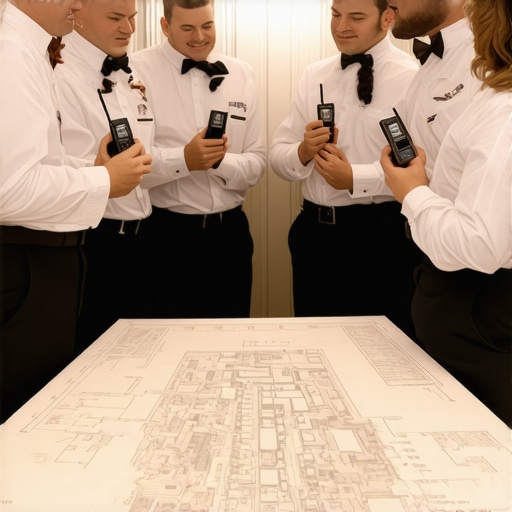 .
.
Establish Clear Communication Systems
Equip servers with walkie-talkies or headsets to coordinate in real time. During a corporate gala, quick communication allowed us to handle sudden surges efficiently. Alternatively, use designated hand signals for discreet updates—especially crucial in formal settings. Consistent updates enable the float team to reallocate resources instantly, minimizing guest wait times. For training tips, visit this resource on server training.
Develop a Real-Time Guest Flow Monitoring System
Assign staff to observe guest movement patterns actively. In one experience, I used a simple visual cue—staff holding up fingers indicating the number of guests in line—allowing us to deploy floaters accordingly. This method keeps everyone adaptable and reduces wait times. Also, implement brief check-ins at intervals—every 15 minutes—to reassess staffing needs and adjust dynamically. This strategy resembles managing traffic flow during rush hour, keeping everything moving smoothly.
Train Staff in Flexibility and Discretion
Host brief but thorough training sessions emphasizing the importance of moving seamlessly between tasks without disrupting service. During a wedding, I trained servers to approach guests with subtlety—like stealth operators—so they could refill drinks or clear plates without drawing attention. Use role-playing exercises to simulate real scenarios, ensuring staff respond swiftly to changes. Familiarity breeds confidence, ultimately translating to a more fluid guest experience. For additional insights on server excellence, see this article on professional servers.
Implement a Post-Event Review
After the event, gather team feedback to assess what worked and what didn’t. I recall a wedding where the float team discovered bottlenecks we hadn’t anticipated, leading us to refine the zone assignments for future reference. Use this review to update your mapping, communication routines, and training materials. Continuous improvement ensures your floating server system becomes more efficient over time, much like tuning an instrument for perfect harmony.
Many assume that flawless wedding and event experiences hinge solely on meticulous planning and beautiful decor. However, a subtle yet often overlooked nuance lies in understanding the true complexity of managing service dynamics, especially when it comes to servers and catering strategies. The common myth is that adding more staff or rigid routines will resolve service hiccups, but in reality, this can create new problems. For example, overstaffing can cause crowded tables, confusion, and inefficient workflows, while rigid routines inhibit adaptability—key in handling unexpected guest surges or last-minute changes.
A prevalent mistake is underestimating the importance of flexible service models, such as employing floating servers that adapt to changing guest flow. This advanced approach requires a deep understanding of venue layouts, guest behaviors, and real-time communication protocols. If not executed properly, it can lead to disorganization, missed service opportunities, or guest frustration. An insightful study from industry experts emphasizes that dynamic service management improves guest satisfaction by up to 30% compared to static staffing models, but only when combined with comprehensive training and strategic planning.
Why Do Hidden Nuances Matter More Than Most Think?
Because behind the scenes, successful events rely on subtle cues, anticipatory service, and seamless teamwork. For instance, servers trained to anticipate guest needs—without intrusive gestures—create a more relaxed atmosphere and prevent bottlenecks, especially during peak times. The key is recognizing that small adjustments, like reallocating a floating server to a congested area, can significantly elevate the overall experience.
Mistakenly, many planners focus exclusively on pre-event logistics, forgetting that post-setup, the real challenge is in executing these plans under fluid, real-time circumstances. It’s akin to an orchestra where the conductor’s intuition and responsiveness matter just as much as sheet music. Neglecting this aspect can cause a disconnect between the intended design and actual guest experience, ultimately diminishing the event’s success.
To master this, consult resources like this guide on choosing the right servers and invest in staff training that emphasizes adaptability and discreet service. Remember, the devil is in the details, and understanding these hidden nuances can reinforce your reputation as a seasoned event professional.
Have you ever fallen into this trap of ignoring the subtle dynamics? Let me know in the comments.
How Do I Maintain Consistency and Efficiency Over Time?
Achieving a smooth, responsive service at weddings and corporate events isn’t a one-time effort—it’s a continuous process of tool utilization, routine checks, and staff training. One powerful tool I personally rely on is Slack integrated with custom channels for real-time communication among servers and coordinators. This setup allows immediate updates about guest flow, station needs, or unexpected issues, creating an agile response system that keeps the entire team aligned throughout the event. Proper training on using such tools ensures your team is comfortable and responsive. Post-event reviews supported by data from these tools further help in mapping areas for improvement, ensuring your operation keeps evolving and refining its efficiency.
Recommended Equipment and Software for Long-term Success
My go-to hardware includes rugged, noise-canceling walkie-talkies from Motorola. I prefer these because they offer clear, reliable communication even in loud venues, significantly reducing miscommunication—critical during high-pressure moments. For software, I often use Trello for task management and Google Sheets for dynamic guest flow tracking. These tools, when set up correctly, become the backbone of operational transparency and accountability, making it easier to assign, reassign, and monitor staff tasks seamlessly.
Looking ahead, I believe integrating AI-powered analytics will revolutionize event management. Imagine systems that predict crowd surges or staff needs before they occur, enabled by sensors and machine learning—similar to how industry leaders are starting to implement predictive analytics for guest behavior analysis. Staying ahead involves adopting these emerging technologies while maintaining solid routines and staff skills.
What Keeps Your Service Running Smoothly Over Time?
Consistency hinges on regular maintenance and checks of your equipment and ongoing staff training. For example, scheduling quarterly updates and practice drills for your servers ensures they’re prepared for any scenario. Investing in quality tools like durable walkie-talkies and flexible planning software minimizes breakdowns and miscommunication during critical moments. For more insights on advanced tools, revisit this article about innovative catering ideas that also touches on the technology side. Try implementing a daily quick check of your communication devices before each shift—small steps that significantly elevate your team’s reliability and responsiveness.
Lessons I Wish I Had Learned Sooner
One of the most valuable insights I’ve gained is that even the best setups can falter without proper communication. Early in my career, I underestimated the importance of real-time updates, leading to crowded bars and waiting guests. That lightbulb moment changed everything—training staff to read subtle cues and respond instantly made all the difference.
I also realized that flexibility surpasses rigid plans. No matter how detailed your map, guests surprise you, and adapting quickly can turn potential bottlenecks into smooth flows. Thinking on your feet and trusting your team becomes a game-changer in high-pressure moments.
Lastly, investing in quality equipment—like durable walkie-talkies and easy-to-use management software—can save countless headaches. These tools not only facilitate swift action but also boost team confidence, ultimately elevating guest experiences.
My Go-To Resources for Elevating Event Service
For me, a trusted resource is this guide on choosing the right servers. It offers practical tips for assembling a versatile team capable of floating seamlessly. Additionally, I rely on this article about modern catering ideas to stay inspired with fresh presentation strategies that complement floating server tactics. Combining these insights helps craft an event that guests will remember for all the right reasons.
The Power of Trusting Your Instincts and Staff
Finally, I want to encourage you to embrace a mindset of confidence. Trust in your team’s training, equipment, and your own judgment. Implementing floating servers isn’t just a technique—it’s a commitment to providing guests with an experience that feels effortless. When you master this balance, your events will stand out and leave lasting impressions.
Have you ever experienced a moment where quick thinking or a simple adjustment transformed your event? Share your story below—I’d love to hear how you turned challenges into opportunities.