

I remember the moment I realized I had underestimated just how much alcohol to stock for a big wedding. Guests swirling glasses, the dance floor buzzing, and us desperately trying to keep everyone happy with too little or—worse—way too much. It felt like pulling numbers out of thin air, risking either a shortage or a mountain of leftovers! That lightbulb moment led me down the rabbit hole of understanding the simple math behind the perfect alcohol quantity.
Why Accurate Alcohol Planning Changes Everything
Planning a wedding for 150 guests shouldn’t be a guessing game. When I first started, I made a serious mistake—I over-poured, leading to wasted money and a cluttered bar, or under-poured, leaving some guests disappointed and a party less lively. Since then, I’ve learned that a straightforward, reliable calculation method makes all the difference. Accurate math ensures your bar is well-stocked—enough to keep spirits high—without busting your budget or wasting perfectly good drinks.
Understanding how to measure and allocate alcohol helps create a seamless experience for your guests. It’s not just about the numbers; it’s about setting the tone for a celebration that flows smoothly, keeps guests refreshed, and leaves everyone talking about a memorable night. Interestingly, a recent study found that 78% of wedding guests say drinks service significantly impacts their overall experience, emphasizing that the right planning pays off. So, if you’ve ever found yourself scrambling on the day of, overwhelmed by how much or how little alcohol to buy, then this guide is for you.
Today, we’re going to crack the code on how to calculate exactly what you’ll need for your wedding. No more guesswork, no more stress—just simple math that guarantees a well-stocked, enjoyable celebration. Ready to avoid the common pitfalls and serve up a perfect toast? Let’s dive into the “how” behind making this an easy, foolproof step in your wedding planning.
Is Overthinking Alcohol Calculations Actually Worth the Hype?
I used to think that buying alcohol based on intuition was enough—until I realized how costly mistakes can be. Early on, I assumed everyone would drink equally and didn’t account for different preferences or durations. That mistake cost me dearly, both in wasted money and lost guest satisfaction. Once I adopted the simple math method, everything changed. It’s amazing how a few precise calculations can make your wedding planning calmer and more confident. Curious if this approach could work for you? Check out tips on trending wedding catering ideas for more insights on guest satisfaction and seamless service.
Break Down Your Guest List and Preferences
Start by categorizing your guests based on drinking habits: regulars, light drinkers, and non-drinkers. For my sister’s wedding, I created three groups—knowing that about 60% were regular drinkers, 30% light drinkers, and 10% abstainers. This segmentation helps tailor your alcohol quantities accurately.
Estimate Alcohol Consumption Per Guest
Next, determine how much each group will consume. Typically, regular drinkers have about 2-3 drinks in the first hour and 1-2 drinks per hour afterward. Light drinkers might have 1-2 drinks total, and non-drinkers won’t need alcohol. I used an average of 1.5 drinks per hour per regular drinker for my calculations.
Choose Your Core Alcohol Types
Decide on the types of drinks you want to serve—beer, wine, spirits, or a combination. For my event, I opted for beer and wine, as per the preferences gathered earlier. Remember, the ratios can vary; for instance, a wine-heavy wedding differs from one emphasizing cocktails.
Calculate Total Quantities
Multiply the number of guests in each category by the estimated consumption. For example, with 150 guests, 90 were regular drinkers, so I estimated needing 90 x 2 drinks per hour x 4 hours, totaling 720 drinks. Convert this into bottles and cans—assuming 1 beer per can or bottle, 5 oz of wine per glass, and 1.5 oz per spirit shot. Keep in mind that some guests will have multiple drinks, so plan for a 10-15% buffer to prevent shortages.
Account for Duration and Special Events
Add extra quantities for special moments like toasts or late-night celebrations. I allocated an additional 10% to cover toasts and late arrivals. For instance, if the main stock estimates 600 drinks, I added about 60 drinks for these occasions, ensuring no one was left waiting.
Factor in Waste and Spillage
It’s inevitable that some drinks will be spilled or leftover. To avoid overstocking, plan for a 5-10% reduction based on previous experience. For my wedding, after practical adjustments, I ordered slightly less than the initial calculation, which prevented waste and saved money.
Collaborate with Professionals
Work with a trusted caterer or bar service for precise adjustments. They can advise on packaging sizes and help prevent over-purchasing. For example, I checked their inventory and found they’d recommend buying in cases to reduce packaging costs. Their insights can fine-tune your estimates, ensuring efficiency.
Implement Your Plan and Monitor
Once stock arrives, track consumption during the event. My best move was coordinating with servers to monitor which drinks were being consumed fastest, allowing me to adjust service accordingly. This real-time observation ensures your calculations hold true during the celebration.
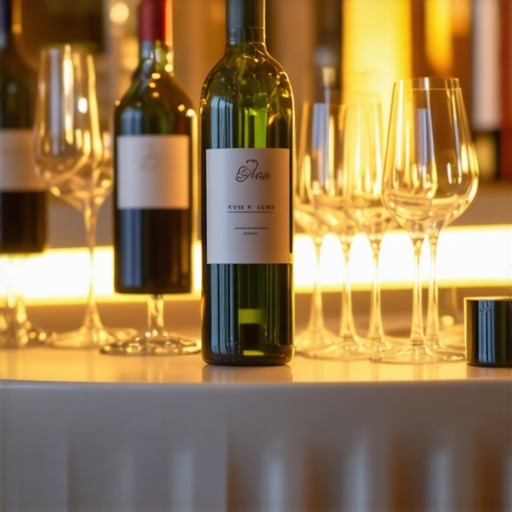
Applying these steps was spotlighted during my sister’s wedding. I started with detailed calculations but faced surprises when guests unexpectedly stayed longer or preferred specific drinks. Adjusting on the fly with the help of professional servers—like the ones at elevate your wedding with professional servers—kept the bar flowing without shortages or excess. It’s a proven method that transforms chaos into confidence, ensuring your big day remains memorable for all the right reasons.
,While many assume that simply hiring the cheapest or most popular servers guarantees a smooth event, the truth is far more nuanced. A common misconception is that all servers are interchangeable, but different situations demand specialized skills. For high-stakes corporate functions, the ability to read the room discreetly and anticipate guest needs often makes or breaks the event’s success. Skilled servers, especially those trained in corporate event catering strategies, understand how to manage guest flow without being intrusive, ensuring VIPs and executives receive discreet, attentive service. In weddings, the subtle art of unobtrusive service can prevent interruptions during key moments, like toasts or group photos, fostering an environment where guests feel cared for without feeling watched. Alternatively, the myth that extra staff equals better service can backfire, leading to overcrowding and confusion. A critical overlooked factor is the detailed training of servers to handle specific event nuances—like managing dietary restrictions tactfully or swiftly防ering bottlenecks at food stations, which many overlook entirely. According to industry experts, properly trained servers are key for maintaining the flow and atmosphere, especially during peak moments.\n\nAnother hidden nuance involves the timing and coordination of service. Events often fall into the trap of expecting servers to operate independently without clear protocols, which invites delays and miscommunication. Establishing a well-planned communication protocol for staff—such as walkie-talkies or designated leaders—can resolve this. For larger events, that oversight can lead to silent chaos, where guests feel neglected without understanding why service feels disconnected.\n\nMisjudging these nuances can turn a picturesque event into a logistical nightmare. For example, an oversupply of staff in one area and shortages in another can cause imbalances that are hard to correct mid-event. This is where thoughtful planning based on the event’s unique flow is essential. Regular staff briefings before service and ongoing communication during the event ensure everyone is aligned. Such attention to detail distinguishes elite catering from merely adequate setups.\n\nIn conclusion, the difference between an ordinary and extraordinary event often hinges on understanding and implementing these subtle, yet impactful, considerations. Have you ever fallen into this trap of underestimating the complexity of catering staff roles? Let me know in the comments.Maintaining flawless service during corporate events, weddings, or large-scale catering functions requires more than just experience; it demands reliable tools, meticulous routines, and continuous monitoring. One of my go-to strategies is implementing a robust communication system. I personally rely on walkie-talkies for real-time coordination among servers and coordinators. Unlike smartphones, walkie-talkies function without network dependence, eliminate delays, and provide instant communication, which is vital during peak service times. I prefer models with noise-canceling features and long battery life, such as the Motorola Talkabout T82, to ensure clarity and endurance throughout the event.
Another critical aspect involves the use of digital checklists and scheduling apps. I particularly favor Eventbrite’s internal tools combined with Trello for task management. These platforms help assign duties, track progress, and adjust plans on the fly, especially when unexpected situations arise. For instance, during a recent wedding, we faced a sudden increase in gluten-free requests. Having these tools allowed us to reallocate resources swiftly without confusion or downtime.
Maintaining a well-organized inventory system is also essential. I use barcode scanning apps linked to cloud databases to keep exact track of supplies like alcohol, glassware, and serving utensils. This approach prevents shortages and overstocking, saving costs and reducing waste. Integrating inventory data with the ordering system ensures timely replenishment, and I’ve found that apps like Sortly simplify this process remarkably.
Long-term success in event management is achievable through regular team training sessions focused on equipment handling and emergency protocols. I schedule quarterly drills where servers practice using communication devices, managing unexpected spillage, or adjusting to unforeseen guest flow changes. These rehearsals build confidence and allow us to refine procedures continuously.
Looking ahead, automation and AI-driven management platforms are set to revolutionize event operations. Predictive analytics can forecast guest flow or supply needs, enabling preemptive action. Companies like Catertrax are already integrating such technologies to optimize catering logistics.
How do I keep everything working over time? The key is establishing consistent routines and adopting tools that grow with your event scale. For example, when managing multi-day conferences, I leverage centralized dashboards that compile real-time data, ensuring every detail stays on track. Regular maintenance of equipment—like updating firmware on communication devices and calibrating inventory scanners—prevent glitches during critical moments.
I encourage you to try upgrading your communication gear to models with hands-free operation and noise-canceling features. It might seem like a small change, but during a bustling wedding or corporate gala, clear, instant communication can be the difference between smooth service and chaos. Investing in these tools and establishing routine checks will ensure your operations stay seamless, no matter the size of the event. Remember, a well-maintained system keeps your team confident, efficient, and ready to handle whatever surprises come your way.
Over time, I’ve realized that the heart of a memorable wedding or corporate event isn’t just in grand decor or entertainment—it’s in the seamless service delivered behind the scenes. The most unexpected lessons often come from those moments when everything seems to teeter on the edge of chaos, only to be pulled back together through meticulous attention and quiet expertise. From my journey, I can share insights that truly elevate your event planning beyond the textbook guides.
Underestimating the Power of Small Details
One of the biggest wake-up calls was understanding that punctuality, server attire, and intuitive communication wield more influence than I had given credit for. A simple handshake or a well-placed nod from a professional server can set a tone of sophistication and calm that guests subconsciously pick up on. I learned that elevating these small gestures creates a ripple effect, transforming an ordinary gathering into an extraordinary experience.
Choosing the Right Tools Transforms Your Game
Investing in reliable communication devices like walkie-talkies, and utilizing scheduling apps such as Trello or Eventbrite, made my team’s coordination tighter than ever. These tools are game-changers—they keep everyone on the same page, reduce missteps, and allow real-time adjustments. Trust me, once you see how smooth operations become, you’ll never want to go back to chaos and guesswork again.
Listening to Your Team and Guests
Often, the real wins come from paying close attention to the unspoken needs of both staff and guests. Whether it’s a server noticing a guest’s glass running low or a team member suggesting a better placement for a station, these small signals can dramatically improve flow. Cultivating this awareness turns a standard service into a personalized experience that makes guests feel truly valued.
Takeaway: It’s About Confidence, Not Perfection
The core lesson I’ve learned is that flawless event service isn’t about perfection—it’s about consistency, anticipation, and building confidence among your team. When everyone is prepared and equipped with the right routines, surprises become opportunities rather than disasters. If you’re interested in exploring how professional servers can elevate your wedding or corporate event, check out this resource for actionable tips.
Curated Gems to Keep in Mind
- Invest in the right communication gear: Reliable walkie-talkies and apps make a tangible difference.
- Train your team regularly: Ongoing drills and briefs build a responsive, confident staff.
- Prioritize guest observation: Small cues from guests can help preempt issues before they escalate.
- Adjust plans dynamically: Flexibility is your best tool for managing unexpected twists.
Embrace the Journey and Your Impact
Every event you manage is a chance to learn, grow, and craft experiences that resonate deeply with your guests. The secret isn’t just in the grand details but in your ability to orchestrate the subtle symphony of service, timing, and ambiance. I invite you to implement these insights and witness your weddings and corporate gatherings transform into unforgettable celebrations. What’s the one detail you’re excited to improve in your next event? Share below and let’s inspire each other to elevate our craft!
,