

I’ll never forget the chaos of my first big product launch event. The room was packed, energy was high, but the lighting? It was a mess. Bright overhead spots created harsh shadows on the presenter and washed out the product display. Some areas looked stunning, while others seemed dull and uninviting. That lightbulb moment hit me hard: improper lighting can sabotage the impact of a carefully planned event.
Why Overhead Spots Can Kill Your Launch’s Ambiance
In my early days, I used standard overhead spots without much thought. It seemed convenient—simple, direct, and bright enough. But I soon realized that such lighting often casts unflattering shadows and creates distractions, pulling attention away from your main message. When lighting is too harsh or poorly positioned, it can make your entire presentation feel sterile or unprofessional, no matter how great your product looks.
Is Bright, Direct Lighting Really That Bad?
The quick answer: yes. I used to believe that more light meant better visibility. But studies show that harsh, direct lighting can cause eye strain for your audience and lead to unflattering shadows that distort your product’s appearance. Plus, it can create a stark environment that feels cold and uninviting. I’ve learned the importance of diffusing light, adding layers with softer sources, and creating a welcoming atmosphere that highlights your product’s best features without overwhelming your guests.
Let’s face it—early on, I made the mistake of sticking to these glaring overhead spots because I thought they were the easiest solution. It wasn’t until I experienced how much more compelling a well-designed lighting setup could be that I realized the real impact. Want to learn how to transform your event lighting from dull to dazzling? Keep reading, because I’ve got some practical tips coming up that can help you avoid common pitfalls and truly make your launch shine.
Layer Your Lighting for a Dynamic Atmosphere
Start by combining different types of lighting—ambient, task, and accent—to create depth and flexibility. During a recent product launch, I used soft uplights around the room and focused spotlights on key areas. This layering prevented harsh shadows and highlighted essential displays, making the space feel both professional and inviting. For guidance on managing all aspects of event design, see wedding catering tips from industry experts.
Diffuse Harsh Lights with Softening Tools
Use Light Diffusers and Softboxes
Harsh overhead lights are like unfiltered sunlight—causing glare and unflattering shadows. I recommend attaching diffusers to your lighting fixtures or placing softboxes over bulbs. During a corporate workshop, I borrowed a few diffusers from the local equipment rental, and the difference was remarkable—participants’ faces appeared more natural, and the venue felt noticeably warmer. This simple step elevates the entire visual presentation without added complexity.
Position Lighting Strategically for Focus
Identify Main Focal Points
Determine where your attendees’ attention should be. For a keynote speech, angle lights to illuminate the speaker from the front, avoiding shadows behind. During a case study presentation, I set up adjustable track lighting to follow the speaker’s movement, ensuring consistent focus. Proper positioning prevents distractions and emphasizes your key messages.
Create Balance with Color and Intensity
Use dimmers and color gels to adjust the mood. Cooler tones tend to feel more professional, while warmer shades promote intimacy. I experimented with dimming lights during a networking event, subtlety lowering brightness to encourage relaxed conversation. Avoid overly bright or monochromatic lighting, which can feel stark and unwelcoming. For creative ideas on lighting design, refer to lighting tricks for floral arrangements.
Test and Adjust Before the Event
Never underestimate the power of a dry run. I arrived early to test all lighting angles, glare, and color schemes. During a recent conference, I realized the back corner was too dim, causing a visual imbalance. Quick adjustments—a slight raise of a softbox and changing a gel filter—transformed the room’s energy, making it more welcoming and professional. This step saves time during the actual event and prevents last-minute surprises.
Utilize Professional Equipment and Assistance
If budget permits, hire a lighting specialist or rent high-quality fixtures. In one case, I booked a local lighting company and worked with their technician, who suggested subtle tweaks that made the entire event look polished. For large venues or high-stakes events, this investment ensures seamless execution and a memorable atmosphere. Discover more about working with top professionals in best corporate event servers for 2025.
Maintain Flexibility During the Event
Adjust lighting levels based on the program—brighten for networking, dim for presentations. During a corporate retreat, I used remote-controlled lights to shift ambiance instantly, keeping attendees engaged. Incorporate adjustable fixtures and wireless controls to streamline this process, avoiding distractions and maintaining professional flow.
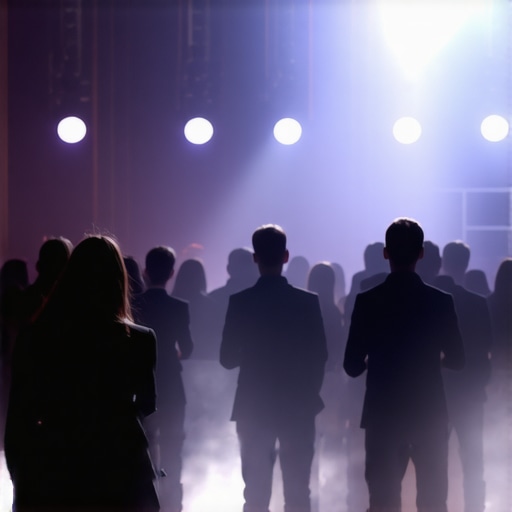 Many event planners and hosts operate under common assumptions that, while seemingly logical, often lead to overlooked flaws. For example, there’s a widespread belief that hiring the most affordable servers guarantees a smooth operation, but in reality, neglecting proper vetting can cause chaos on the day. One of the most persistent myths is that more food always means happier guests; however, over-serving can lead to waste and higher costs, without improving guest satisfaction. Advanced planners recognize that timing, service flow, and guest engagement are nuanced factors that require strategic attention.
A critical trap to avoid involves cookie-cutter solutions—such as using generic caterers or staffing agencies—without considering the specific needs of your event. This oversight often results in mismatched service styles or inadequate staffing levels. For instance, in wedding catering, not customizing your menu to accommodate dietary restrictions can leave some guests feeling neglected, affecting the overall experience. To circumvent this, consult industry experts and prioritize vendors with proven adaptability, as highlighted in wedding catering tips from industry experts.
Ever wondered why some corporate events seem to run flawlessly while others falter despite similar budgets? The answer lies in attention to detail—ranging from the placement of service stations to the training of staff in silent service techniques. Overlooking these details often results in unnoticed delays or disruptions, which can tarnish the event’s reputation. For example, improperly coordinated food stations can create long lines, diminishing guest experience and impeding networking opportunities.
Additionally, many assume that event entertainment or decor can be an afterthought, but without aligning these elements with your core objectives, the event can feel disjointed. Consider the importance of lighting, background music, and layout design—each contributing to the atmosphere and guest interaction levels. Strategically planning these ensures a cohesive environment that resonates with your brand or occasion.
From my experience, a common advanced mistake is neglecting the nuances of timing and flow. Scheduling speeches during critical meal times or neglecting to prepare contingency plans for last-minute changes can derail even the most meticulously planned event. In high-stakes corporate functions, silent service protocols—like discreet clearing and timely replenishing—are vital for maintaining professionalism. For further insights, see why your wedding servers should not clear half-full glasses.
Understanding these subtleties can elevate your events from good to exceptional. Remember, what many overlook is often what makes the biggest difference. Have you ever fallen into this trap? Let me know in the comments.
Invest in Reliable Equipment for Consistent Results
When it comes to managing corporate events, weddings, or large-scale catering, dependability is non-negotiable. I personally rely on high-quality wireless microphone systems like the Sennheiser EW 500 G4. These microphones deliver clear audio without annoying dropouts, even in crowded venues, ensuring speeches and announcements go smoothly. For visual presentations, I use Canon’s EOS R series cameras, which excel in low-light situations, capturing crisp images that make event photos look timeless. Investing in top-tier equipment reduces the risk of technical failures that can derail your event and helps maintain a professional image.
Automate Scheduling and Coordination with Smart Software
Managing multiple timelines, staff rotations, and client preferences can be overwhelming. I recommend using event management platforms like Asana or Trello, customized with detailed checklists and reminders. These tools keep your team aligned, allowing real-time updates on setup status or last-minute changes. A recent project saw me integrating Trello with Zapier, automating notifications when a task was completed, which kept everyone in sync without constant follow-ups. Embracing automation minimizes human error and frees you to focus on the nuanced aspects of event execution.
Utilize RFID and Digital Tracking to Keep Everything in Place
Track equipment, personnel, and supplies using RFID tags or QR codes. For example, I tag all catering utensils, linens, and tech gear. Before every event, I scan the inventory to ensure nothing goes missing, which saves costly replacements and delays. During a recent wedding, RFID wristbands allowed staff to quickly locate and deliver drinks precisely when needed, enhancing guest experience. These systems provide peace of mind and streamline logistics, making long-term event management more efficient.
Maintain Systems with Routine Checks and Updates
Technology can become obsolete or malfunction without proper upkeep. Set a schedule to calibrate audio-visual equipment weekly, update software regularly, and replace worn-out cables and batteries. I dedicate a few hours monthly to inspect all gear, document issues, and plan replacements. This proactive approach prevents last-minute surprises and extends your equipment’s lifespan. For complex setups, I consult industry-specific technical manuals, like the Sennheiser technical guidelines, to ensure optimal performance.
Train Staff with Simulated Dry Runs
Practice makes perfect. Regularly conduct mock setups and run-throughs with your team, especially before high-stakes events. These drills help identify weak points in your system—whether it’s a faulty microphone, confusing layout, or miscommunication. During one rehearsal, a simple adjustment in cable routing prevented a potential trip hazard, making the actual event safer and smoother. Encouraging staff to troubleshoot in a controlled environment builds confidence and ensures everyone knows their role when it truly counts.
How do I maintain equipment and systems over time?
Establish a preventive maintenance schedule that includes routine inspections, cleaning, and software updates. Keep detailed records of repairs and replacements to identify recurring issues and plan for upgrades proactively. Personally, I use maintenance logs in Notion to track every piece of gear, ensuring nothing falls through the cracks. As trends evolve, integrating IoT-enabled devices for real-time monitoring will become increasingly common, allowing remote diagnostics and instant alerts for system failures. Implementing this technology now can future-proof your operations.
Try incorporating RFID tracking into your next event; it’s a game-changer for inventory control and staff coordination. Layering reliable, tech-driven tools equips you for sustained success, no matter how complex or long-term your event planning journey becomes. For more on optimizing event staff, see top servers for a seamless wedding reception.
Reflecting on my journey through countless event experiences, I’ve realized that the smallest details—like lighting and staff coordination—can profoundly influence how your guests perceive the occasion. Mastering these elements requires more than just following checklists; it’s about developing an intuitive sense for ambiance and service flow that elevates your event from ordinary to extraordinary.
The Illumination Secrets That Changed My Perspective
One of the most eye-opening lessons I learned was the power of layered lighting. Instead of relying solely on overhead spots, incorporating soft uplights, strategic spotlights, and diffusers created a balanced environment that highlighted key features without harsh shadows. This approach transformed dull spaces into inviting venues that invite conversation and focus. It’s a reminder that thoughtful lighting design can be your silent partner in crafting memorable experiences.
Building a Service Team That Reads Your Mind
Over time, I discovered that effective service isn’t just about responding to guest needs—it’s about anticipating them. Training servers to recognize unspoken cues and positioning them strategically ensures smooth transitions and seamless flow. For instance, discreetly replenishing drinks during a toast or clearing plates silently helps maintain the event’s rhythm. The most successful events I’ve been part of had staff who were so well-trained that guests never noticed the effort behind the scenes, only the flawless experience they enjoyed.
What I Wish I Had Known Before My First Big Event
- Premeditate Every Detail: Visualize how lighting angles and staff movements will interact, and rehearse with your team beforehand. A quick walkthrough can reveal blind spots that might distract your guests.
- Invest in Quality Equipment: Relying on top-tier audiovisual gear minimizes technical hiccups, allowing you to focus on the guest experience rather than troubleshooting.
- Empower Your Team: Equip your staff with protocols and empower them to make quick decisions. Their confidence translates into polished service that guests trust and admire.
- Stay Flexible: Even with meticulous planning, be prepared to adapt on the fly. A dimmed light here, a quick repositioning of a server there—small adjustments can make a significant difference.
- Leverage Technology: Use event management tools like Trello or Asana to keep track of preparations and real-time updates. Incorporate RFID tracking for equipment and supplies to streamline logistics and avoid surprises.
Curated Resources for Elevating Your Event Game
- Elevate your wedding with professional servers: Practical insights on choosing and training top-tier service staff who can elevate any occasion.
- Lighting tricks that make floral arrangements pop: Discover how simple lighting techniques can dramatically enhance your decor.
- Wedding catering tips from industry experts: Learn how to design menus that impress and accommodate guests’ dietary needs flawlessly.
- Why most corporate entertainment misses the mark: Understand how to select entertainment that truly engages your audience and complements your event’s vibe.
Step Into the Future of Event Excellence
Remember, behind every great event lies a blend of careful planning, intuitive service, and thoughtful design. The art of event lighting and staff coordination is an ongoing journey—one that invites constant learning and adaptation. Your dedication to these details transforms a standard gathering into an unforgettable experience, creating lasting memories for your guests and elevating your reputation as a host who truly cares.
What’s the first small change you plan to implement at your next event to make it extraordinary? Share your thoughts below—I’d love to hear your ideas!