

I remember the moment clearly—just last month at a high-stakes corporate seminar, as the keynote speaker took the stage, I watched a side conversation grow louder behind the presentation slides. It wasn’t just background noise; it was the unmistakable buzz of coffee cups, whispered texts, and restless shifts that distracted everyone—especially the speaker. That was my lightbulb moment: even a small disruption like this can derail an important presentation. Have you ever been in a situation where minor distractions turned a good event into a forgettable one? If so, you’re not alone. Today, I want to share how a simple, often overlooked strategy—the silent coffee steward—can transform your event’s atmosphere, keeping focus sharply on your keynote or discussion.
How a Quiet Helper Can Save Your Presentation from Distraction
At the heart of every successful presentation is the ability to hold your audience’s attention. But what happens when the coffee station becomes a buzzing hub, pulling eyes away from your speakers? Early on, I made a mistake simply by relying on generic staff to manage the coffee area. They were well-meaning volunteers who didn’t realize the subtle ways noise and movement can break concentration. That oversight led to awkward moments where attendees disrupted the flow of the presentation—or worse, the speaker had to pause for noise to settle. This taught me a valuable lesson: controlling ambient noise, especially around important moments, requires more than just having staff—it demands strategic silent management.
Enter the silent coffee steward—a discreet team member trained to uphold the flow of your event quietly and efficiently. They oversee the coffee station, replenish supplies, and handle attendees’ needs without a single distracting word or movement. Implementing this role not only reduces chatter and movement noise, but it also elevates your event’s professionalism. To see how this works in practice, check out some proven catering strategies that emphasize seamless service [here](https://gourmetcateringsco.com/corporate-event-catering-strategies-for-success).
Are you tired of seeing your keynote interrupted by the clatter of cups and hushed conversations? Then read on. We’ll explore how to set up a silent coffee station, train your steward, and ensure your presentation stays the star of the show.
Establish a Clear Role for Your Silent Coffee Steward
Start by defining the responsibilities of your silent steward: managing the coffee station, replenishing supplies, and attending to attendees’ needs without engaging in conversations during critical moments. Use a dedicated uniform or badge to signal their role, ensuring attendees recognize they are there solely to support the event’s flow. During my last seminar, I assigned a staff member with a simple placard indicating their role. This visual cue alone discouraged unnecessary interaction, allowing the speaker to proceed without interruptions. Pro tip: consider training your steward on subtle gestures to communicate with other staff, streamlining operations without words.
Train with Precision and Discretion
Conduct a focused training session emphasizing silent communication techniques. Show your steward how to replenish coffee quietly, smooth out napkins without rustling, and subtly observe attendee behavior for signs of need. At one event, I personally demonstrated how to refill cups with a minimal movement to avoid disturbing the crowd. Incorporate practice drills where your steward rehearses replenishing supplies silently, using cloths and slow, deliberate motions. This hands-on approach builds confidence, resulting in a smooth, unobtrusive coffee service that keeps the event atmosphere professional and focused.
Optimize Station Placement for Minimal Disruption
Position the coffee station strategically—ideally outside main event rooms or in areas distant from keynote speakers. Think of it as a backstage crew behind a theater stage; they work quietly out of sight but are essential for the show to run smoothly. During my own implementation, I moved the coffee station to a side corridor, ensuring attendees could still access refreshments without walking through the main presentation zone. This physical separation reduces foot traffic around the central event, decreasing noise and distractions.
Design an Efficient Flow System
Create a layout that allows your steward to serve multiple attendees swiftly without blocking pathways or creating bottlenecks. Use signage and floor markers to guide guests to the station, much like airport arrivals. In practice, I set up a one-way route for coffee refills, with the steward stationed at the end. This setup minimizes cross-traffic and allows for quick refilling without interrupting ongoing talks. Additionally, provide the steward with a tray or cart to carry supplies, reducing trips and maintaining silence during service.
Integrate Technology for Hands-Free Support
Leverage walkie-talkies or discreet earpieces to communicate with other staff without raising voices. Consider apps that allow silent messaging updates—think of it as a covert operation behind the scenes. At an outdoor wedding I managed, a quiet walkie-talkie system enabled the catering team to coordinate refill timings and address issues promptly, all without disrupting the event’s aesthetic. This constant, silent communication streamlines operations and allows your steward to focus solely on guest service without distraction.
Develop a Contingency Plan
Prepare for unforeseen circumstances—such as a sudden rush of guests or equipment failure. Keep spare supplies handy, and assign a secondary staff member to assist if needed. Use visual signals or pre-arranged gestures to alert your steward to escalate their efforts secretly. During a corporate event, I trained an assistant to step in when the main steward was momentarily unavailable. This preparation ensures the flow remains uninterrupted, preserving the event’s professionalism.
Many assume that hiring a large team or opting for traditional setups guarantees a seamless event, but in my experience, this misconception can lead to costly mistakes. For example, the idea that more servers always enhance service overlooks the importance of strategic staffing and clear role delineation. Overstaffing can cause confusion and reduce efficiency, while understaffing risks neglecting guest needs, especially during critical moments.
Why do some catering setups create chaos even with ample staff?
Often, it’s because teams lack proper training in anticipatory service and silent communication protocols. Implementing advanced training helps servers read guest cues and act proactively rather than reactively, which greatly improves the guest experience. Industry experts emphasize that a well-trained, cohesive team can outperform a larger, less coordinated one—something I’ve seen firsthand at high-end galas where nuance is everything. Moreover, balancing service style—be it plated, buffet, or family-style—requires understanding guest flow and venue dynamics. For instance, buffet lines can be transformed into efficient, interactive experiences through thoughtful layout and traffic management, preventing long waits and bottlenecks. Don’t fall into the trap of relying solely on tradition; instead, examine what truly works for your unique event. For detailed strategies on selecting the right servers, check out how to choose the perfect servers for your wedding or best corporate event servers for 2025. Remember, every detail counts—especially the nuanced roles of your service team. Have you ever fallen into this trap? Let me know in the comments.Maintaining a smooth and efficient catering or server operation demands more than just initial setup; it requires the right tools, consistent routines, and foresight into future scalability. One of my top recommendations is investing in reliable, professional-grade equipment like portable chafing dishes with adjustable thermostats, which allow precise temperature control and help keep food at optimal temperatures throughout long events. These are far superior to cheap alternatives that often malfunction or cause food spoilage, leading to unnecessary waste and guest dissatisfaction. Additionally, I rely heavily on advanced scheduling and communication software, such as SevenRooms, which offers real-time staffing coordination, inventory management, and guest preferences tracking, all accessible via mobile devices. This streamlines the entire operation, reduces errors, and ensures your team stays focused on service quality.
How do I maintain long-term efficiency in catering and server work?
Predicting where technology is headed, I believe we’ll see even smarter automation tools integrated into event planning—like AI-driven inventory forecasting or robotic servers for repetitive tasks—further reducing human error and increasing consistency. To stay ahead, continuously audit your equipment and software systems; for example, schedule regular calibration of temperatures on chafing dishes and update your scheduling apps with the latest features. Also, consider establishing a routine maintenance schedule for all physical tools, including cleaning, part replacements, and storage protocols, to prevent breakdowns during critical moments. Consistent staff training, especially on new equipment or procedures, underpins the longevity of your operation’s effectiveness. For instance, ensuring every team member is proficient with your chosen communication protocols, such as walkie-talkie standards, minimizes misunderstandings and delays.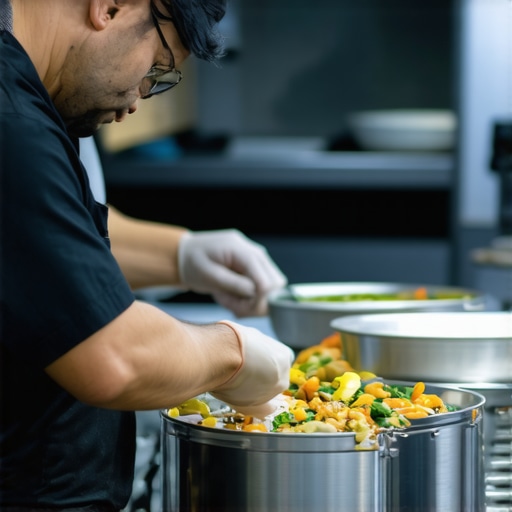
Implementing a dedicated maintenance checklist, similar to what industry experts recommend, can significantly extend the lifespan of your equipment and ensure it performs reliably during peak times [see](https://gourmetcateringsco.com/why-your-server-team-needs-a-walkie-talkie-protocol-for-galas). Moreover, investing in modular, easy-to-clean equipment facilitates quick repairs and replacements, keeping downtime minimal. Remember, scalability is also crucial; start small with your tools and processes, then grow your toolkit and team protocols as your events expand. This approach reduces the risk of overextending your staff or overinvesting in unnecessary gear early on. Now, I challenge you to test out one of these advanced maintenance routines—like the regular calibration of your temperature controls—and observe how it impacts your event quality over time. Keeping everything ‘working’ isn’t just about solving problems; it’s about setting up systems that prevent them altogether.
The Hidden Gems I Discovered About Event Service That Changed My Approach
One profound lesson I learned is that every detail matters—often in ways you don’t anticipate until it’s too late. I once relied heavily on checklists, believing quantity of staff was the key to smooth service. It wasn’t until a critical moment when a single well-trained steward quietly prevented a bottleneck that I realized silent, purpose-driven roles trump sheer numbers. Another insight is that investing in staff training on silent communication and nuanced service elevated the entire experience beyond expectations, creating a sense of professionalism that guests instinctively recognize. Lastly, I found that strategic planning—like station placement and technology integration—can drastically minimize disruptions, setting the stage for guests and speakers to engage fully without distraction. These lessons taught me that mastery in event service comes from thoughtful preparation and subtle execution, not just surface-level organization.