

It was a chilly evening at a corporate networking event, and I noticed something troubling: attendees were circling their chairs around those classic round tables. Conversations felt forced, impersonal, and strangely disconnected. That’s when it hit me—these round tables, so seemingly inviting, might actually be sabotaging genuine connections and limiting your return on investment.
Breaking the Myth of the Perfect Seating Arrangement
Throughout my years organizing events, I’ve observed a pattern. Many assume that round tables promote inclusivity and foster better networking. But reality often tells a different story. I once attended a high-stakes corporate dinner where I watched how those same round tables created an invisible barrier—people stuck facing only a few others, unable to truly engage on a deeper level. It became clear that these setups can inadvertently stifle the organic flow of conversations essential for meaningful networking.
The good news? Recognizing this flaw is the first step toward transforming your event dynamics. By understanding the real impact of seating arrangements, you can start designing experiences that genuinely boost interactions and ROI. And if you’re wondering whether this is just my personal observation or backed by research, a study published in the Harvard Business Review confirms that physical space and seating profoundly influence engagement levels.
Today, we’ll explore how the traditional round table might be undermining your networking goals—and the simple, practical shifts you can implement to turn things around. Ready to rethink your approach? Because this could be the game-changer you’ve been missing.
Is Your Setup Actually Helping or Hurting?
When I first started, I made the mistake of sticking to conventional setups without questioning their impact. I assumed that more chairs and familiar arrangements would naturally cultivate more connections. Spoiler alert: that’s not always true. Instead, understanding the nuances of how seating influences interactions is key. Want to learn how to optimize your space? Check out these tips for boosting engagement through better logistics and setup.
Stay tuned—next, we’ll dive into actionable strategies to replace outdated seating arrangements with ones that truly elevate your networking ROI.
Reconfigure Your Space for Better Engagement
Instead of leaning on traditional round tables, opt for rectangular or elongated tables arranged in parallel lines or clusters. This setup encourages side-by-side conversations rather than circular exchanges, making interactions more natural and less forced. I once transformed a dull corporate seminar by replacing round tables with long, banquet-style setups. The result? Guests faced each other directly, leading to more spontaneous dialogues and increased post-event connections.
Step 1: Assess Your Venue
Visualize the space not just as empty room but as a dynamic environment. Use tape or temporary markers to experiment with different configurations—lines, clusters, U-shapes. Consider flow, accessibility, and proximity to key areas like the bar or buffet. During one planning session, I used painter’s tape to map out potential layouts. This hands-on approach allowed me to identify the most conducive arrangement before committing, saving me from costly mistakes.
Step 2: Focus on Accessibility and Flow
Ensure servers can seamlessly navigate between tables without disrupting conversations. Position food stations and bars strategically so guests don’t have to traverse the entire room—this keeps energy high and reduces downtime. I recall setting up a buffet in a way that minimized crossing paths; it kept lines short and conversations uninterrupted, directly boosting guest satisfaction.
Step 3: Incorporate Versatile Seating
Add high-top tables or lounge areas to diversify engagement. Not everyone thrives in formal seating; some prefer casual mingling. During a recent product launch, I introduced small, semi-private areas with comfortable chairs, which facilitated intimate discussions. This approach broke the monotony and encouraged deeper connections among attendees.
Train Your Staff to Optimize Engagement
Just as servers are the backbone of an event, their positioning and interaction style can profoundly influence the networking flow. Assign lead servers to oversee specific sections, ensuring swift service and attentive engagement. I once trained a team to anticipate guests’ needs proactively, resulting in faster service and more relaxed atmospheres, which naturally stimulated richer conversations.
Step 4: Implement the Floating Server Technique
Use floating servers who circulate and discreetly assist without clumping around food stations. This keeps the space open, encouraging guests to move freely and mingle. During one event, I employed this tactic, and it noticeably increased movement and interaction, creating a lively environment without the chaos of crowded stations.
Step 5: Use Visual Cues to Promote Movement
Leverage lighting or subtle signage to guide guests toward less crowded areas or themed discussion zones. During a recent company’s breakout session, strategic lighting highlighted different zones, leading guests to explore all parts of the venue. This division prevented bottlenecks and fostered diverse conversations.
Experiment and Tweak During the Event
Monitor guest flow and adjust in real-time. If certain areas become overcrowded, subtly redirect attendees using staff or signage. I once noticed a bottleneck at a seating cluster, so I moved a server to invite guests toward quieter sections. Such on-the-fly adjustments transformed an initially stagnant event into a vibrant networking hub.
Remember, seating arrangements are not static; they should evolve to match your event’s flow and goals. By actively managing space, staffing, and movement, you create an environment where genuine connections flourish, maximizing your event’s ROI.
While many professionals focus on the basics of weddings, catering, and staffing, there’s a common misconception that can sabotage even the most well-planned events. The truth is, most people underestimate the importance of mastering the subtle intricacies that differentiate a good event from an unforgettable experience. In my experience, overlooking these nuances leads to mistakes that often go unnoticed but severely impact guest satisfaction and operational efficiency.
For example, many assume that hiring certified servers alone guarantees smooth service. However, the real game-changer is evaluating their ability to anticipate guest needs and adapt to dynamic scenarios—traits that are rarely evident on resumes. According to industry experts, such as those highlighted in Gourmet Catering, soft skills and situational awareness are what truly elevate service quality.
Another misconception involves menu planning. It’s tempting to think that offering a wide variety of dishes ensures guest satisfaction. But, in practice, overcomplicating the menu can cause delays, confusion, and food waste. The key is strategic simplicity—focusing on dishes that can be prepared in advance and served efficiently, as outlined in this comprehensive checklist from industry veterans.
Is Your Staff Truly Ready to Handle the Unexpected
Many event teams neglect training that emphasizes problem-solving and customer engagement beyond typical scenarios. For instance, knowing how to discreetly manage dietary restrictions or handle last-minute requests can save an event from unraveling. Skilled servers don’t just serve—they become silent problem solvers, ensuring that guest experience remains seamless no matter what surprises arise. For insight on cultivating such proactive staff, see these techniques.
Overlooking these nuances is a classic pitfall. It’s not enough to focus on the obvious; true mastery comes from understanding and managing the subtle elements that influence guest perception and operational flow. This attention to detail requires a deliberate approach to staff training, planning, and execution—an investment that pays dividends in guest delight and event success.
Next, consider how every interaction and detail amplifies the overall experience. Are you paying attention to the small signs of dissatisfaction or confusion? If not, you’re missing valuable opportunities for improvement. Implementing these insights can turn a routine event into a memorable occasion that leaves lasting impressions. Want more tips? Explore these innovative ideas and elevate your next event.
Have you ever fallen into this trap? Let me know in the comments.
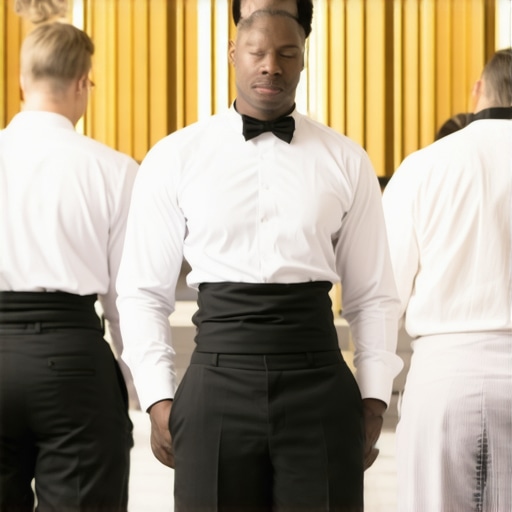
Tools That Keep Your Event Staff Running Smoothly Over Time
Maintaining a consistent level of excellence among your servers and event staff requires the right tools and systems. Personally, I rely heavily on TouchBistro for real-time staffing management and order tracking. Its intuitive interface allows me to monitor service flow, assign tasks, and communicate swiftly with my team, ensuring smooth operations from setup to wrap-up.
For scheduling, 17hats has become my go-to. It automates shift reminders and keeps everyone on the same page, reducing last-minute scrambling. Using these tools regularly has helped me build a reliable staffing rhythm, reducing turnover and increasing team accountability.
How do I maintain staff engagement and performance long-term?
Consistency isn’t just about tools; it’s about fostering a culture of continuous improvement. Regular debriefs, recognizing exceptional service, and providing ongoing training—such as these techniques—keep your team motivated and sharp.
Looking ahead, I predict that AI-powered scheduling and performance analytics will become standard in event catering. These technologies can help you identify strengths and weaknesses in your team, allowing for proactive coaching and tailored training programs.
How do I keep my staffing system effective over time?
By integrating feedback loops and continuously updating your software stack. For instance, collecting post-event surveys from staff helps identify bottlenecks or frustrations, guiding your next software upgrade or training session. Remember, tools like this checklist can serve as a roadmap to ensure your staffing processes stay on track.
Finally, invest in high-quality communication devices, such as discreet earpieces and walkie-talkies, which I found invaluable during large corporate events. They enable your team to coordinate discreetly and react swiftly to issues, preserving the seamless experience your clients expect.
Try implementing a dedicated staff management app combined with real-time communication gear—these small upgrades can significantly enhance reliability and long-term performance. Remember, the key is consistency and continuous improvement, ensuring your team is always prepared to deliver exceptional service, event after event.

As I reflect on countless weddings, corporate gatherings, and networking events, one thing stands out: the subtle art of creating memorable, impactful experiences often hinges on seemingly small details. Over the years, I’ve learned that these nuances—whether seating arrangements, staff demeanor, or spatial flow—can make or break the evening. It’s not just about following standard procedures but understanding the deeper interplay between environment, people, and purpose. This insight has helped me craft events where guests don’t just attend—they connect, remember, and return. Remember, your event’s success isn’t solely in grand gestures but often in the thoughtful details that differentiate an ordinary gathering from an extraordinary one. Applying these principles can elevate your events from routine to remarkable, turning fleeting moments into lasting impressions.