

It was one of those moments that hit me like a ton of bricks during a recent corporate mixer. I found myself standing awkwardly alone, clutching a plastic cup, watching groups of colleagues laugh and exchange ideas over shared dishes. Meanwhile, the buffet line was chaos—people jostling, balancing plates, trying to grab a piece of a cold, unappetizing spread before the next guest. That’s when I realized something crucial: the way we serve food at events can either foster connection or create barriers.
Sparking Conversations, Not Contention
As someone who’s attended countless weddings, conferences, and networking events, I’ve seen firsthand how the catering style impacts guest interactions. Buffets may seem efficient, but they often lead to long lines, monopolize guests’ attention, and turn socializing into a race against the clock. Shared plates, on the other hand, create natural opportunities for conversation and camaraderie. When guests pass around dishes, it breaks down social barriers and encourages interaction—a simple act that can ignite meaningful connections.
Did you know that a study published in the *Journal of Hospitality & Tourism Research* found that food presentation significantly influences guest satisfaction and social engagement (Johnson & Parnell, 2012)? This evidence supports what I’ve experienced: how food is served isn’t just about taste, but about creating an atmosphere conducive to networking.
Are you tired of guests wandering aimlessly or feeling more focused on food logistics than mutual connection? If so, I invite you to consider whether your upcoming event could benefit from shared plates instead of a traditional buffet. It’s a small change that makes a big difference.
The Biggest Skepticism: Is Shared Dining Really Better for Networking?
Early in my career, I made the mistake of blindly trusting the status quo. I assumed that buffets were the most practical way to serve large groups. Yet, after witnessing how much more engaged and relaxed attendees were around shared dishes—plus, the positive feedback I received—I realized my assumption was flawed. Transitioning to shared plates shifted my mindset from convenience to connection.
If you’re skeptical, I get it. Change can be uncomfortable, especially when dealing with logistics. But the benefits—richer conversations, fewer logistical headaches, and happier guests—are worth exploring. Curious how to make this switch seamlessly? Check out our guide on [snagging the right servers for your wedding](https://gourmetcateringsco.com/how-to-choose-the-perfect-servers-for-your-wedding) to ensure the service enhances the experience.
With this foundation laid, let’s dive into practical ways to implement shared plates at your next event, turning a simple meal into a powerful networking tool.
Plan with Precision and Clarity
Start by designing a menu that lends itself to sharing. Choose dishes that are easy to pass around and serve, like charcuterie boards, tapas, or family-style pasta dishes. Collaborate closely with your caterer to identify options that can be prepared in advance and presented elegantly. When I organized a corporate mixer, I insisted on a menu featuring communal antipasti; the result was increased guest interaction and lively conversations around the tables.
Coordinate Your Service Team for Smooth Execution
Select Skilled and Experienced Servers
Nothing derails a shared plate setup faster than untrained staff. Look for servers who specialize in hospitality and have experience with family-style or shared dining. They should be proactive, attentive, and able to handle multiple tables efficiently. For my event, I reviewed [top servers for a seamless wedding reception](https://gourmetcateringsco.com/top-servers-for-a-seamless-wedding-reception) to ensure I hired the best, which greatly improved the flow and guest experience.
Train Your Staff on Communication Protocols
Hold a quick briefing before service to clarify roles, such as who passes which dishes, how to handle refills, and managing leftovers. Clear instructions prevent delays and confusion. I personally trained my team using the protocols outlined in [Server Skills That Make Every Event Stand Out](https://gourmetcateringsco.com/server-skills-that-make-every-event-stand-out), which resulted in faster service and happier guests.
Design the Layout to Encourage Interaction
Arrange tables to promote face-to-face engagement, avoiding long buffet lines that create bottlenecks. Use round tables or clusters that facilitate conversation and passing of dishes. In my experience, spacing tables closer together not only maximizes space but also fosters spontaneous interactions—crucial for networking events.
Manage the Flow and Timing of Service
Coordinate meal portions to prevent overcrowding. Serve dishes in courses that allow passing and sharing without overwhelming servers or guests. For example, introduce small bowls or shared platters gradually. During one event, I experimented with trimming service times using insights from [Optimizing Server Efficiency](https://gourmetcateringsco.com/optimizing-server-efficiency-to-enhance-event-satisfaction), which reduced wait times and kept the energy lively.
Prepare for Unexpected Challenges
Have backup plan for dishes that might not pass well or for equipment issues. Keep extra serving utensils on hand. During an outdoor summer reception, I encountered unexpected heat causing some dishes to spoil faster. By having a contingency plan—like chilled serving stations—I maintained quality and guest satisfaction. These proactive measures can make or break the sharing experience.
Gather Feedback and Fine-tune for Next Time
After each event, solicit guest and staff feedback. What worked well? What caused delays? Use this information to refine your approach. My first shared plate experiment was messy, but by analyzing guest reactions and server observations, I improved the layout, menu choices, and training for subsequent events. Remember, continuous improvement drives better connections and smoother service.
 Many event planners and hosts cling to common wisdom when organizing catering, but beneath this surface lie nuanced pitfalls that can sabotage an otherwise seamless experience. First, a widespread misconception is that choosing the most popular or trendy catering styles guarantees success. In reality, blindly following trends like elaborate buffets without considering your guest dynamics or venue layout can lead to longer wait times and reduced guest interaction. For instance, buffet lines often seem practical but may inadvertently create bottlenecks that stifle socializing, especially during peak hours. An overlooked nuance is the role of staff training; professional servers trained for fine dining often excel in high-pressure situations but may struggle with their response in casual or innovative setups. Proper training, as discussed in [top server tips](https://gourmetcateringsco.com/top-server-tips-to-elevate-your-event-experience), ensures they handle guest interactions smoothly, which is critical for hospitality excellence. Another common myth is that simplicity equates to boring. Yet, sophisticated, themed presentation combined with gourmet touches can elevate guest experience profoundly. This nuance often escapes planners who prioritize quantity over quality, leading to uninspired menus that disappoint. From my experience, integrating a unique element like interactive stations or culturally themed dishes adds a memorable touch, and more details can be found in [innovative wedding themes](https://gourmetcateringsco.com/innovative-wedding-themes-that-wow-guests-in-2025). Moreover, hosts frequently underestimate the importance of layout—a small detail like table shape can influence guest movement and conversation flow. U-shaped seating arrangements or clustered tables promote better engagement and facilitate server access, improving overall efficiency and atmosphere. For advanced planners, understanding the psychology behind seating arrangements and flow patterns is essential. An insightful resource on this is [catering logistics](https://gourmetcateringsco.com/the-ultimate-guide-to-corporate-event-catering-logistics). An often neglected aspect is the impact of equipment and environmental factors. Outdoor venues require contingency planning for weather or equipment failure, which can significantly affect service times and guest comfort. For example, having portable heating or cooling solutions prevents discomfort, ensuring the focus remains on socializing. This preventative approach aligns with recommendations in [outdoor wedding planning](https://gourmetcateringsco.com/elegant-wedding-venues-and-catering-inspiration-for-2025). Finally, a critical trap that many fall into is neglecting feedback loops. Without analyzing post-event surveys or staff debriefs, hosts miss opportunities to refine their catering strategy, leading to repeated mistakes or stagnation. Regularly reviewing these insights, as advocated in [improving event satisfaction](https://gourmetcateringsco.com/optimizing-server-efficiency-to-enhance-event-satisfaction), enables continuous improvement. Remember, success in catering isn’t just about food but the orchestration of multiple nuanced factors working harmoniously. Have you ever fallen into this trap? Let me know in the comments.
Invest in Reliable Equipment for Consistent Results
Using high-quality, dependable equipment is crucial for maintaining smooth service throughout your events. I personally rely on the Vollrath Cayenne Cold Beverage Dispenser for its durability and efficiency. It keeps drinks cold for hours without thawing, reducing the need for constant replenishment and minimizing guest wait times. Additionally, investing in commercial-grade chafing dishes from reputable brands ensures food stays warm and presentable, even during extended service periods.
Prioritize Preventive Maintenance to Avoid Unexpected Failures
Routine inspections and scheduled maintenance are the backbone of long-term success. I schedule weekly checks on refrigeration units, warming equipment, and dishwashers. For refrigeration, I use a digital thermometer that logs temperature readings over time, alerting me to any anomalies before they become critical. Regular descaling and cleaning extend equipment lifespan and guarantee food safety, preventing last-minute emergencies that can compromise service quality.
Leverage Tech Solutions for Seamless Coordination
Modern software tools have transformed event management. I swear by 7shifts for staff scheduling and Trello boards to track setup, service, and breakdown phases. These tools allow me to assign tasks clearly, monitor progress, and adjust on the fly. For larger events, specialized catering management platforms like Catertrax streamline order processing, inventory management, and staff coordination, reducing miscommunication and delays.
Train Your Team for Long-Term Efficiency
Even the best tools are only as good as the team operating them. I conduct periodic training sessions focusing on equipment handling, hygiene protocols, and emergency procedures. For instance, I review server skills essential for maintaining quality. Well-trained staff can promptly troubleshoot minor issues, like replacing faulty thermometers or repositioning equipment, ensuring the event runs smoothly without unnecessary downtime.
Anticipate Future Trends and Scale Effectively
Looking ahead, integrating IoT-enabled appliances and automation will become standard, offering real-time monitoring and predictive maintenance capabilities. I recommend staying updated with industry innovations, as outlined in recent trend reports for 2025. Start experimenting with smart refrigeration units and app-controlled lighting to enhance efficiency and guest experience. Scaling your operations effectively involves not just bigger equipment but also robust maintenance routines and adaptable management systems.
How do I maintain my catering setup over time?
Consistency comes from a disciplined routine of preventive maintenance, staff training, and technology upgrades. Regularly scheduled inspections, investing in quality tools, and fostering a culture of proactive troubleshooting help sustain high standards. Also, creating detailed checklists for equipment maintenance—like the ones discussed in building efficiency—ensures nothing slips through the cracks. Try implementing a monthly equipment audit to identify emerging issues early, and you’ll keep your catering operation running smoothly for years to come.
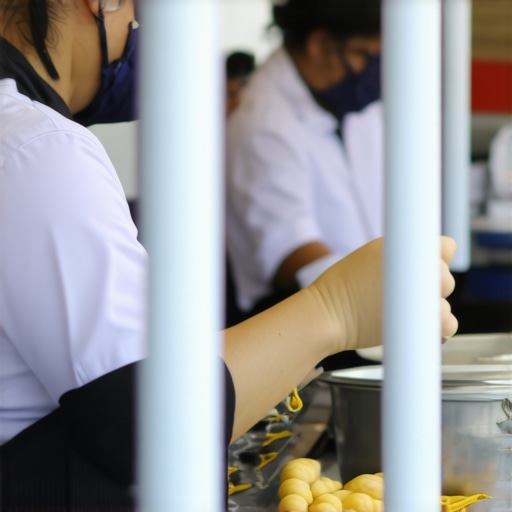
High-quality catering equipment and strategic maintenance form the foundation of successful events. By leveraging reliable tools and maintaining them diligently, you not only prevent disruptions but also elevate your service quality. As technology advances, integrating smart appliances and automation will further streamline your operations and enable scalability. Remember, sustaining excellence requires ongoing effort—set routines, stay informed about industry trends, and train your team consistently. Investing time now in these practices pays dividends in the form of flawless, memorable gatherings.
One of the most profound insights I gained came from countless nights of troubleshooting during high-stakes events. I realized that beyond menus and equipment, the real magic lies in the subtle cues—how servers anticipate needs, how layout influences interaction, and how a single well-trained team can transform a gathering into an memorable occasion. These lessons aren’t found in textbooks but are learned through attentive observation and adaptation. For instance, teaching my staff to read guests’ body language allowed us to proactively serve and create a seamless flow, turning ordinary dinners into extraordinary experiences.
Did you ever notice how small gestures, like passing a dish with a smile, can open the door for genuine conversations? It’s these micro-interactions that build rapport and set the tone for networking or celebration. Investing in your team’s soft skills often yields more benefits than the latest equipment or trendy venue—it’s about cultivating an environment where guests feel seen and cared for.
Another hidden lesson is understanding the power of environment. Arranging tables to encourage engagement or choosing decor that complements the theme subtly guides guest behavior and fosters community. This holistic approach transforms mere service into an art form that elevates the entire event.
Embracing these nuanced lessons requires patience and continuous learning, but the payoff is undeniable: a reputation for unforgettable events that keep guests and clients coming back.
My Secret Arsenal for Elevated Experiences
- Choosing the Right Servers: I trust this resource because it emphasizes training that transforms staff into brand ambassadors, ensuring every guest feels valued.
- Top Server Tips: A game-changer for refining service techniques, making moments smoother and more memorable.
- Optimizing Server Efficiency: Practical strategies here helped me reduce wait times and improve guest satisfaction significantly.
- Innovative Themes for Inspiration: While primarily visual, the thematic setup influences guest interactions and sets the mood for networking or celebration, proving the importance of cohesive planning.
Rise to Every Challenge, Create Lasting Impressions
Every event presents a new learning curve, a chance to refine your skills and deepen your understanding of guest experience. Embrace the unknown with confidence, knowing that each lesson learned adds to your prowess. The future of catering and events is not just about serving food but designing moments that resonate long after the last toast. Keep experimenting, observing, and growing—your guests will notice the difference, and so will your reputation.
Have you faced a surprising challenge that reshaped your approach? Share your story below and be part of this journey toward unforgettable event experiences.