

I vividly remember one wedding where I watched a server struggle to clear tables efficiently, causing a bottleneck that slowed down the entire reception. Guests began to get restless, and the bride and groom’s joyful mood was waning fast. That moment hit me hard—how a simple delay in clearing tables can ripple into chaos at events.
The Power of a Swift Table Clear
Fast, seamless service isn’t just a perk; it’s a necessity. When it comes to elegant weddings or high-stakes corporate galas, guests expect smooth transitions, quick responses, and a flow that keeps energy high. If servers lag, the entire experience suffers. That’s where the concept of the “3-Minute Table Clear” comes into play—a technique I’ve come to rely on after years of personal trial, error, and learning.
By mastering how to clear tables efficiently within just three minutes, you not only enhance guest satisfaction but also give your event a sophisticated edge that sets it apart. Imagine chattering conversations, a lively dance floor, and guests genuinely appreciating the impeccable service. It’s achievable—and today, I’ll show you exactly how.
Is Speed Overhyped or Truly Critical?
My early mistake was underestimating the importance of speed. I thought quality service was all about personalized touches, slowly and carefully. But I learned that efficiency can elevate the experience because it prevents long wait times, congestion, and the awkward lull in event flow. According to hospitality experts, a well-trained team that clears tables in under three minutes significantly increases turnover rates without sacrificing quality. Want to know how to make this happen at your next event? Stay tuned.
Have you ever faced the embarrassment of guests waiting too long for their plates to be cleared? Or maybe you’ve been on the receiving end, wishing service was faster? If so, you’re not alone. Recognizing this common pain point is the first step toward transforming your approach to event service and ensuring every moment counts.
Armed with real-world insights and proven techniques, we’re about to dive into practical strategies to implement the 3-minute table clear—because in the world of weddings and galas, every second counts.
Prepare Your Tools and Venue Setup
Before the event begins, organize your cleaning supplies—cloths, trays, napkins, and compostable waste bags—and position them strategically near the service area. Familiarize yourself with the venue’s layout, noting the most efficient paths to clear tables without crossing guest traffic, similar to setting up a well-planned racecourse. This preparation reduces hesitation and accelerates your team’s response time.
Coordinate with Your Team
Hold a quick briefing to assign roles: some servers handle clearing, others focus on resetting tables, and a few monitor guest flow to anticipate needs. Clear communication here is akin to an orchestra conductor leading different sections—each member must know their cue.
Implement a Two-Stage Clearing Technique
Start by removing all used plates and glasses in one swift, coordinated motion. Think of it as decluttering your workspace to prevent pile-ups. Then, quickly gather debris—napkins, straw wrappers—and load them onto a tray or directly into waste bags. Practice this rhythm to minimize movement and avoid double handling, which can turn a 3-minute goal into a rushed chaos.
Optimize Server Movement
Encourage servers to work in a circular pattern around the table, avoiding backtracking. As I learned during a wedding reception, moving in a circle is like following a racetrack—efficient and predictable. During a chaotic moment, I once sprinted across the venue to grab a trash bag, but a more experienced server had already handled the debris calmly, saving time and effort.
Streamline Plate Resetting
After clearing, swiftly replace the plates with clean ones stacked on a portable cart or tray, ready for the next course. Maintain communication with the kitchen or catering team to know when new plates are available, preventing delays—similar to synchronized swimming where timing is everything. Using standardized plate sizes and types reduces confusion and speeds up the setup.
Maintain a Flow Without Interruptions
Monitor guest behavior—if the dance floor is lively, time your clearing between music sets or conversations. If there’s a lull, seize the moment for a quick reset. During one event, I noticed guests chatting animatedly, so I waited until a song ended and then cleared multiple tables in rapid succession, capitalizing on the pause.
Practice and Refine Your Technique
Regularly train your team with mock scenarios, emphasizing speed and coordination. Like athletes honing their skills, speed improves with repetition. Record your team during practice to identify bottlenecks—perhaps someone is reaching too far or hesitating—and adjust accordingly. This continuous refinement ensures the 3-minute target becomes second nature.
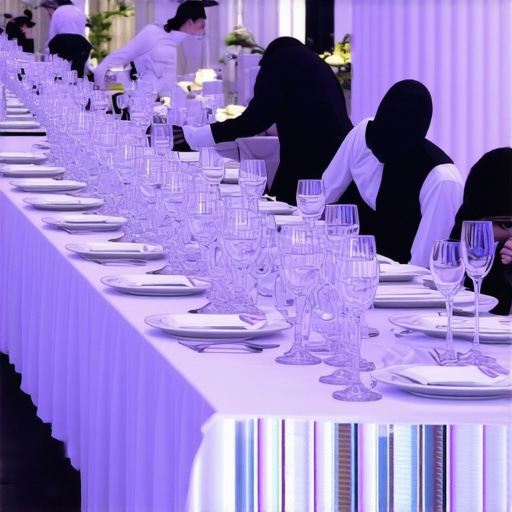
Use the above strategies consistently during rehearsals or smaller events, and gather feedback from your team. Over time, you’ll notice a marked improvement in both speed and guest satisfaction, making your service not just efficient but exceptional.
Many people assume that perfectly executing a wedding or corporate event simply revolves around flawless logistics and beautiful decor, but there are deeper complexities often overlooked. One prevalent misconception is the idea that speed and efficiency in service are mutually exclusive with quality and personalization. While many think that rushing through service compromises guest experience, experienced planners understand that strategic timing and trained staff can actually enhance satisfaction—so long as the nuances are respected.
For instance, some believe that standardizing service routines leads to a dull experience, but in reality, consistency paired with subtle personalized touches results in an elevated guest impression. A common trap is overloading staff with complexity, which can backfire. The key is to master the fine line between efficiency and attentiveness. According to industry expert insights, such as those found in professional server techniques, subtle cues and anticipatory service matter more than mere speed, especially during high-stakes events.
Advanced planners understand that misunderstanding venue layout can cause significant delays. An overlooked detail like server pathways or improperly arranged stations transforms into a hidden obstacle that hampers even the best team’s efforts. Taking the time to assess the venue thoroughly, as emphasized in dedicated staff leadership, avoids these pitfalls and ensures smoother flow during peak times.
Another myth is the belief that all servers are interchangeable. In reality, specialized roles—such as sommelier-level wine service or VIP-only attendants—bring nuanced value that significantly impacts the guest experience. Oversimplifying staffing to generic roles ignores these subtle differences, which seasoned organizers recognize as essential for high-quality events. It’s vital to select and train staff with these nuances in mind, as discussed in selecting the right servers.
Paying attention to these hidden nuances transforms a standard event into a memorable experience. The right combination of strategic planning, trained staff, and venue awareness creates a seamless flow that guests never notice—yet profoundly influence their perception. Have you ever fallen into this trap? Let me know in the comments!
Maintaining peak performance for weddings, catering, and corporate events requires more than just experience—it demands the right tools and a strategic mindset. My go-to equipment starts with reliable wireless headsets, like the Klover bud systems, which facilitate seamless communication among staff, reducing errors and improving coordination during busy moments. These headsets, especially models with noise cancellation, allow for discreet, instant updates, ensuring everyone is on the same page without disruptive shouting or hand signals. Expert server techniques highlight how instant communication elevates service quality, making wireless headsets an indispensable asset.
For organizing schedules and tasks, I rely on project management software like Asana or Trello. These platforms help break down complex logistics—such as staggered plating times or vendor coordination—into manageable steps. Over the years, I’ve customized workflows within these tools, integrating checklists that ensure critical details, like equipment setup or guest accommodations, aren’t overlooked, especially during large-scale events like galas or multi-day conferences.
When it comes to long-term results, equipment durability matters. Investing in stainless-steel serving trays and heavy-duty chafing dishes ensures longevity, even with frequent usage. For digital tools, I recommend using cloud backup services—like Dropbox or Google Drive—to preserve your event documentation, recipes, and client preferences securely. This way, even if a hardware failure occurs, your operations can continue smoothly without disruption.
Anticipating future trends, automation and AI-driven scheduling are poised to revolutionize event management. Smart scheduling tools that learn your patterns can optimize staffing and resource allocation, saving time and reducing costs.
So, how do I keep it working over time? Regular equipment maintenance is key. Schedule monthly checks for your communication devices, clean and replace worn-out parts, and stay updated on software versions to capitalize on new features and security patches. Establishing a maintenance routine prevents unexpected breakdowns during critical moments, and training your team on these routines ensures everyone contributes to a reliable operation.
A practical tip I’ve adopted is creating a maintenance checklist tailored for each piece of equipment—documenting date of last service, condition, and upcoming needs. For example, testing wireless headsets weekly helps catch issues early, maintaining clear communication. Additionally, staying connected with suppliers for quick replacements minimizes downtime.
Looking ahead, I predict an increasing reliance on integrated management systems—combining communication, scheduling, and inventory tracking into a unified platform. As these technologies evolve, your ability to scale efficiently depends on solid foundational tools and disciplined maintenance routines.
Ready to elevate your event game? Try implementing a weekly equipment check routine combined with a detailed maintenance log. It’s a simple step that pays off in reliability and guest satisfaction. Keeping your tools in top shape isn’t just about avoiding problems; it’s about building a sustainable, scalable operation that impresses clients time after time.
What I Wish I Knew When I Started Serving Weddings and Events
One of the most valuable lessons I learned early on was that speed doesn’t have to mean sacrificing personalized touches. Striving for efficiency forced me to develop the ability to anticipate guests’ needs, turning routine tasks into discreet, effortless actions that guests never noticed but truly appreciated.
Another surprising insight was the critical role of venue layout and equipment placement. A well-thought-out setup can drastically cut down service time and reduce stress. Implementing a strategic plan for station placement and server flow became a game-changer in my approach to event management.
The third lesson was about the importance of team coordination beyond just verbal communication. Training staff to read each other’s cues and developing a shared rhythm created a harmonious workflow that improved service quality and guest experience—a lesson that transformed my perspective on teamwork.
Lastly, I realized that continuous refinement through mock scenarios and feedback loops is essential. No matter how experienced you become, there’s always room to learn and optimize. Consistently practicing and analyzing our methods kept us sharp and adaptable to any situation.