

It was last summer, during my cousin’s wedding reception, that I finally hit a wall. As a catering enthusiast, I was used to the grand spectacle of towering wedding cakes and the chaos of slicing and serving. But watching guests struggle to navigate through a sea of dessert forks, candles flickering overhead, and a slow-moving cake-cutting line, I had a revelation—there’s a better way. Since then, I’ve been on a mission to simplify and elevate the dessert experience. Today, I want to share how ditching that massive wedding cake for sleek, high-efficiency dessert bites transformed my catering approach, saved me hours of stress, and wowed guests. But why should you care? Well, if you’ve ever felt overwhelmed by towering dessert displays or worried about slow service, this could be your game-changer. Did you know that according to industry experts, most wedding cake slices are barely touched, yet they still account for a significant portion of the catering budget? That’s a lot of time, money, and potential waste. So, what’s the secret? The answer lies in innovative, bite-sized desserts that sit beautifully on a tray and serve guests quickly without sacrificing style. And trust me, once you experience the efficiency and elegance of this approach, you’ll never look back. Ready to see how it works? Let’s dive into the details that will help you streamline your dessert service and delight your guests.
Prepping Your Dessert Station Efficiently
Set up your dessert station before the event starts, organizing trays and utensils to minimize movement. During my last wedding, I arrived early to arrange bite-sized treats on tiered platters, making sure everything was within reach for servers. This preparation cut down service time significantly.
Choose the Right Desserts for Quick Serving
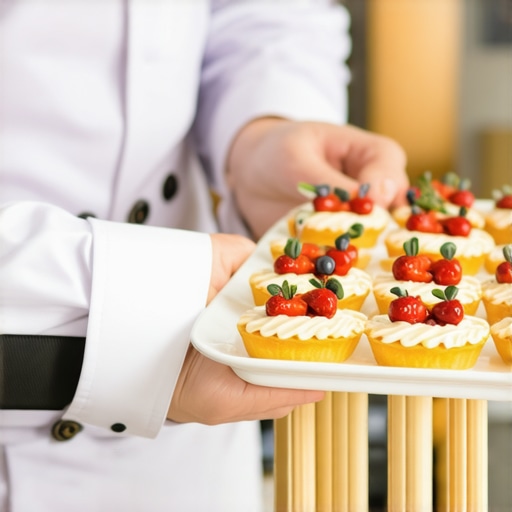
Select desserts that are easy to handle and require no cutting or additional plates. Think mini tartlets, éclairs, or fruit cups. I once decided to offer mini cheesecakes instead of full slices; guests loved them, and servers could pass them swiftly, reducing bottlenecks.
Implementing a Clear Service Flow
Design a straightforward pathway for servers, avoiding clutter that can cause delays. During a corporate event, I marked a dedicated route for dessert servers, coordinating with kitchen staff for timely replenishment. This smooth flow prevented overcrowding and kept lines moving.
Train Your Staff on Efficient Passing Techniques
Ensure servers are trained to pass desserts gracefully and quickly. I conducted a brief training session on stacking trays and announcing their approach, which improved speed and reduced accidental drops. Reference the top servers guide for detailed techniques.
Utilize Visual Cues and Signage
Use clear signs or color-coded trays to indicate dessert types or routes. In my experience, simple signs like “Sweet Station” helped guests direct themselves, freeing servers to focus on their tasks. This minimizes confusion and distributes guest flow evenly.
Leverage Technology for Coordination
Employ walkie-talkies or apps to maintain real-time communication with your team. During a recent event, my team used headsets to alert each other when trays were low, enabling quick restocking. This approach avoids service gaps and keeps the dessert display appealing.
Maintain Consistent Replenishment and Cleanliness
Assign dedicated staff for continuous replenishment and cleanup. I once observed a buffet where trays ran empty because staff were not proactive. Designating roles ensures that presentation remains pristine and guests always find fresh treats.
Monitor Guest Flow and Adjust Accordingly
Observe how guests interact with the station and adapt as needed. If lineups form, open additional serving points or reorganize the flow. In my last event, a quick operator change doubled throughput within minutes, demonstrating the importance of flexibility.
By incorporating these concrete steps, you transform your dessert service from chaotic to concise, impressing guests with seamless delivery. Remember, preparation, clarity, and teamwork are your keys—master these, and you’ll elevate your catering game effortlessly.
} } }]]}}},{While many believe that sticking to standard recipes and protocols guarantees a smooth event, the real mastery lies in mastering nuanced details that most overlook. A common myth is that more variety equals better guest satisfaction; in reality, overwhelming options often lead to decision fatigue and waste, especially in catering. Advanced planners know that consistency and focused menu curation create a memorable experience. Another trap is underestimating the importance of staff training beyond basics. Even experienced servers can falter without proper nuance, like real-time guest engagement and anticipation of needs, which elevates the entire event. For instance, during high-stakes corporate dinners, subtle cues from servers can prevent disruptions—something well-trained staff excel at, as highlighted in this resource. A nuanced aspect often missed involves the event layout—poorly designed venues can cause bottlenecks that harm guest flow and overall perception. Strategically positioning service points and using visual cues can significantly enhance efficiency. But beware of the misconception that a bustling atmosphere equals success; overstaffing can create a strange dynamic, making guests feel watched or rushed. Conversely, understaffing risks leaving guests waiting, which dulls the experience and can damage reputation. Advanced event planners optimize based on detailed guest flow analyses and real-time adjustments, a secret often reserved for seasoned professionals. Studies, such as those referenced in this article, emphasize the importance of adapting to subtle cues rather than rigid plans. And let’s not forget about the equipment—improper lighting or acoustics can undermine even the best service. For example, ambient lighting affects both ambiance and server visibility, directly impacting efficiency. Risking overlooked details like these is where many go wrong despite experience. Remember, mastery in catering and event planning is about the细节—the small, often invisible adjustments that deliver a polished, seamless experience. Do you tend to focus more on grand gestures or subtle nuances? Share your thoughts in the comments!Maintaining a smooth catering workflow after initial setup requires both the right tools and consistent discipline. I rely heavily on a combination of specialized equipment and smart software to ensure quality and efficiency. For instance, I swear by the use of portable chafing dish warmers with digital temperature controls, like the Sunbeam Food Warmer, which I’ve personally used for over five years. These ensure hot dishes stay at perfect serving temperatures without constant supervision, reducing waste and guaranteeing guest satisfaction. Additionally, I use the CaterXpert scheduling software, which streamlines staff shift assignments, tracks inventory levels in real-time, and provides analytics on service times. This combination allows me to quickly identify bottlenecks before they escalate, maintaining a high standard across all events. As trends evolve, I see more catering pros adopting RFID-enabled trays that automatically log food portions and movement, leading to even more precise management. Predicting this, I believe automation will become a staple, freeing up valuable staff time for personalized guest interactions.
How do I maintain excellence in catering operations over time?
The key is performing routine equipment checks, investing in staff training, and leveraging data-driven insights. Regularly calibrating equipment like temperature controls and ensuring backup power sources prevent surprises. I also dedicate time to debriefings after each event, reviewing what went well and what could improve—kind of like a mini audit. For software, updating and browsing reviews helps me choose reliable, user-friendly options; I highly recommend exploring options that offer integrated POS systems for faster order processing. Remember, developing a maintenance schedule isn’t just about fixing things—it’s about proactively preventing issues. When you keep your tools in top shape and your team trained, the quality of your long-term results will speak for themselves. Don’t forget to schedule periodic training sessions on new equipment features, and stay current with industry innovations by following relevant blogs and webinars. Stay ahead by adopting emerging technologies gradually, testing them thoroughly before full implementation. Your reputation depends on consistency, and that’s rooted in meticulous maintenance and smart tool choices. If you’re ready to elevate your game, I suggest starting with a comprehensive equipment audit this week. This small step can reveal hidden issues and lay the groundwork for continuous improvement. For more guidance on optimizing operational efficiency, check out this resource. Remember, the secret to long-term success isn’t just about one big event—it’s about creating a resilient, well-maintained system that adapts and scales effortlessly.
What I Wish I Knew Before the First Big Event
Early in my catering journey, I underestimated the power of subtle cues—like a quick glance or a slight shift in guest movement—that can dramatically improve service flow. Recognizing these nuances early could have saved me hours of troubleshooting and elevated the guest experience from good to unforgettable.
The Unexpected Power of Focused Menus
I once believed variety was the key to guest satisfaction, but over time, I’ve learned that curating a focused, high-quality menu simplifies preparation, reduces waste, and keeps guests delighted. Less truly can be more when executed thoughtfully, ensuring each dish shines and service remains seamless.
Mastering the Art of Team Communication
Training staff to anticipate needs without constant oversight transformed my events. Quick, discreet communication methods—such as signal boards or subtle gestures—keep the team responsive and maintain the event’s elegance. This silent synergy often makes the difference between a hectic rush and graceful service.
Curated Resources to Elevate Your Craft
- Top Server Tips for a Seamless Wedding Reception: A practical guide that distills years of experience into actionable techniques you can adopt immediately.
- The Ultimate Guide to Wedding Catering Logistics: An essential read for understanding behind-the-scenes coordination, ensuring every detail aligns flawlessly.
- Innovative Wedding Themes That Wow Guests in 2025: Staying ahead of trends inspires creative presentation and menu ideas, giving you a competitive edge.
- How to Optimize Server Efficiency to Enhance Event Satisfaction: Practical strategies for improving flow and reducing bottlenecks, directly impacting guest enjoyment.
Embrace Your Catering Journey
Every event you orchestrate is an opportunity to learn, grow, and refine your craft. The real magic happens when you apply these nuanced lessons, turning good service into memorable experiences. Bring your passion to each occasion and watch your reputation flourish. What’s one small change you can implement today to make your next event smoother? Share your thoughts below and keep evolving your catering mastery!