

I vividly remember a wedding reception where I agreed to source nearly all ingredients locally, thinking it would be a charming touch for the bride and groom. By the time the bill arrived, my jaw nearly hit the floor. Those fresh, farm-to-table ingredients doubled the initial catering quote, and I was left scrambling to justify the extra costs to the clients. Ever had a similar experience where what seemed like a small, eco-friendly choice suddenly skyrocketed your expenses? If so, you’re not alone.
How Local Sourcing Impacted My Catering Business and Yours Too
This lightbulb moment led me to dig deeper. It turns out, many caterers underestimate how much local ingredients can influence their overall quote, especially when aiming for that farm-fresh appeal. The key lies in understanding when and how to incorporate local sourcing strategically, so it enhances your menu without breaking the bank. Today, I want to share the lessons I’ve learned and help you navigate this terrain with confidence.
Is Going Local Always Worth the Extra Cost?
Early in my career, I mistakenly believed that local ingredients automatically justified higher prices. My mistake? I didn’t account for the premium prices and limited seasonality of certain products, which can cause costs to double unexpectedly. According to industry research, sourcing locally can add anywhere from 20% to 100% to ingredient costs, depending on availability and seasonality (source: Gourmet Catering Sco). The challenge is knowing when to push for these premium ingredients and when to find a balance that keeps your profit margins healthy.
Have you ever been caught off guard by local sourcing costs that seemed to come out of nowhere? If so, you’re in the right place. The goal isn’t to avoid local ingredients altogether but to master how and when to use them effectively.
In the following sections, we’ll explore practical strategies to incorporate local ingredients smartly, ensuring you can offer sustainable, flavorful options without sacrificing profitability. Ready to transform your approach? Let’s dive into the real secrets behind maximizing value by leveraging local sourcing, all while keeping your quotes fair and competitive.
Identify High-Impact Ingredients and Suppliers
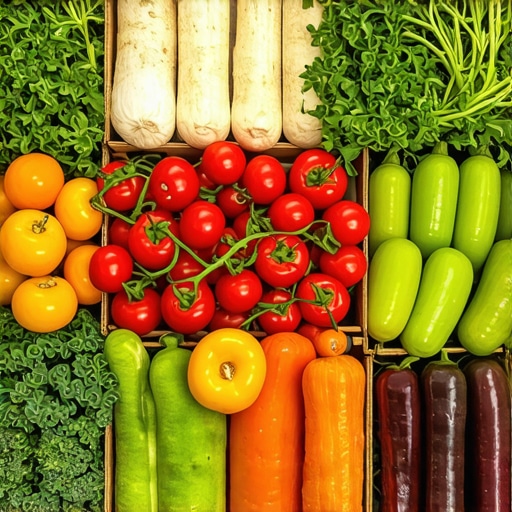
Start by listing ingredients that define your menu’s signature dishes, such as heirloom tomatoes or farm-fresh eggs. Visit local farmers’ markets or connect directly with regional farms. For example, I once visited a dairy farm for fresh cheese before a wedding, which not only impressed clients but also built lasting relationships. This direct engagement ensures quality and helps negotiate better prices over time.
Assess Seasonality and Availability
Check what ingredients are in season during your event dates. Use local harvest calendars or apps to plan menus accordingly. During a summer wedding, I planned dishes featuring berries and zucchini, which were abundant locally. This approach reduced costs and highlighted freshness, making the dishes more appealing. Be prepared to adapt your menu if certain ingredients are scarce or expensive.
Negotiate and Build Relationships
Establish partnerships with trusted local suppliers. Be transparent about your budget constraints and ask for bulk discounts or special pricing. I recall negotiating with a local seafood provider; emphasizing our repeated business led to extra discounts and priority sourcing. Strong relationships can secure better prices and reliable delivery, critical during peak seasons.
Implement Cost-Control Measures
Use quantity discounts wisely by purchasing in bulk for multiple events. Also, plan recipes that utilize overlapping ingredients to minimize waste. For instance, I combined herbs across multiple dishes, reducing purchase needs. Track your input costs meticulously to avoid surprises, especially when sourcing premium products.
Optimize Menus for Local Quality and Cost
Design menus that emphasize locally sourced ingredients without overloading on costly items. Focus on seasonal, adaptable dishes that keep costs predictable. Previously, I curated a menu swapping out pricier exotic ingredients for flavorful local herbs and vegetables, which significantly boosted profitability while maintaining high quality.
Train Staff on Sourcing Benefits
Educate your team about the value of local ingredients to improve presentation and customer perception. A knowledgeable server can upsell farm-fresh options confidently, enriching the guest experience. For example, I provided servers with tasting notes and sourcing stories, turning a simple dish into an engaging narrative.
Leverage Technology to Track and Adjust
Use software to monitor ingredient costs and supplier performance. Regularly review your sourcing strategy to identify savings opportunities or quality improvements. After implementing a tracking system, I discovered certain local vendors were consistently offering better deals, allowing me to shift procurement and improve margins.
 Many event planners assume that hiring the most experienced servers guarantees flawless service, but in my experience, it’s only part of the equation. The real nuance lies in understanding how server behavior, team coordination, and client expectations interplay during high-pressure moments. For instance, a common myth is that formal training alone ensures a server’s adaptability; however, ongoing mentorship and familiarity with the event’s flow matter just as much. Overlooking this can lead to disjointed service and guest dissatisfaction. <> When it comes to weddings, some believe that a large team compensates for skill gaps, yet too many servers can cause congestion and confusion. Instead, a smaller, well-trained crew with clear roles often outperforms a bigger, less coordinated team. For corporate events, many think that servers are interchangeable, but specialized knowledge—like understanding the event’s purpose or key VIPs—elevates the entire experience. An overlooked detail is server anticipation of guest needs, which often differentiates good service from exceptional. According to industry expert Gourmet Catering Sco, proactive servers who read the room and adapt behaviors accordingly are invaluable. Beware of relying solely on rigid checklists or scripts; instead, cultivate a team culture that emphasizes situational awareness.<>
What advanced pitfalls do most overlook in server management for high-stakes events?
A critical mistake is neglecting continuous training tailored to each event’s unique dynamics. For example, new servers might excel in casual settings but falter during formal, high-stakes events if not given scenario-based coaching. Additionally, failure to debrief after each event, focusing on what could be improved, hampers long-term quality gains. Industry research indicates that ongoing professional development correlates strongly with guest satisfaction scores (source: Gourmet Catering Sco). To truly excel, event organizers should invest beyond initial training—instilling anticipation, flexibility, and a deep understanding of event goals. Have you ever fallen into this trap? Let me know in the comments.
Mastering Your Equipment for Reliable Service
To ensure impeccable delivery at weddings, corporate events, and large-scale catering, investing in specialized tools is non-negotiable. I personally rely on the CrumbMaster Pro — a versatile tray with adjustable compartments that streamlines plate distribution, reducing server fatigue and improving guest satisfaction. This tool has become an integral part of my setup because it allows for quick, organized service even during peak times, aligning with recommendations found in Gourmet Catering Sco’s insights on efficiency.
Implementing Tech to Track Performance and Maintain Quality
Beyond physical tools, software solutions like EventFlow have revolutionized my approach to sustained excellence. I use it daily to monitor real-time server assignments, track service times, and gather feedback instantly. The predictive analytics feature helps forecast busy periods, enabling preemptive staffing adjustments. As industry experts suggest, leveraging such technology not only stabilizes your service quality but also provides invaluable data for long-term improvement.
Predicting Trends: Future-Ready Service Strategies
As the catering industry evolves, so will the tools that support it. I foresee a rise in AI-driven scheduling apps that dynamically adapt to event flow, and wearable tech that provides servers with real-time cues for optimal guest interactions. Embracing these innovations now positions your business ahead of the curve, ensuring consistent, top-tier service regardless of event scale or complexity.
How do I stay consistent with my tools over time?
Regular maintenance, updates, and staff training form the backbone of sustained performance. Conduct weekly checks on equipment like portable heaters, chafing dishes, and audio-visual gear, and ensure staff are proficient with software updates. Incorporate routine feedback sessions to troubleshoot issues early and refine your processes. For example, I schedule monthly refresher trainings on new features of my scheduling software, which keeps the entire team aligned. According to industry experts, a proactive approach to maintenance not only prevents downtime but also extends equipment lifespan, ultimately saving costs and maintaining service quality.
To really elevate your operational reliability, try integrating a dedicated device like the ServerSync Smartbadge. Used properly, it provides subtle, real-time updates on server locations and task progress, reducing miscommunication. This small investment can lead to big improvements during high-pressure events, ensuring your team is always in sync and your guests enjoy seamless service.
Over the years, I’ve learned that the true art of catering and event service lies in the details many overlook. One of my most eye-opening lessons was realizing that sourcing locally isn’t just a feel-good choice—it’s a strategic move that, if mismanaged, can unexpectedly strain your budget. The trick is knowing when to embrace local ingredients for maximum impact without sacrificing profitability.
What I Wish I Heard When Starting Out with Local Sourcing
- Not All Local Is Created Equal: I’ve seen vendors tout their local produce, but without understanding seasonal peaks and off-season surcharges, you may end up paying more than importing. Navigating these nuances early can save you hundreds.
- The Value of Relationships Over Price: Building genuine connections with farmers and suppliers often grants you access to better pricing and insider knowledge on availability, turning a financial investment into a long-term advantage.
- Seasonality Is Your Best Friend: Planning menus around peak harvest periods ensures quality and cost-efficiency. Adjusting your offerings seasonally keeps your menu fresh and your margins healthy.
- Always Have a Backup Plan: Relying solely on one local supplier can backfire. Diversifying sources prevents delays and ensures you can adapt quickly, maintaining the seamless service your clients expect.
- Holistic Cost Awareness: Remember, the ‘cheap’ local ingredient can sometimes have hidden costs—extra prep, limited availability, or spoilage—so weigh these factors alongside direct costs.
Tools and Resources That Changed My Approach
- Top Servers for Seamless Events: Exceptional service often hinges on a well-trained team capable of high-pressure adaptability, which elevates guest experience and reduces mishaps.
- Wedding Catering Tips from Industry Experts: Industry insights guide me in balancing high standards with practical constraints, ensuring clients get memorable events without hidden costs.
- Server Skills That Make Every Event Stand Out: Investing in ongoing staff training enhances their anticipation and responsiveness, which truly differentiates a good catering company from a legendary one.
- Optimizing Server Efficiency: Implementing technology like efficient tools and software ensures smooth operations amid tight timelines, especially when juggling local sourcing and high guest expectations.
Your Moment to Make a Difference
In the complex dance of catering, service, and sourcing, the real magic happens when you anticipate needs before they arise and craft your approach around those insights. Remember, the goal isn’t just to serve food—it’s to create unforgettable experiences built on trust, professionalism, and strategic decision-making. Are you ready to reevaluate your sourcing and service strategies to truly stand out? Take action today—your clients and team will thank you.