

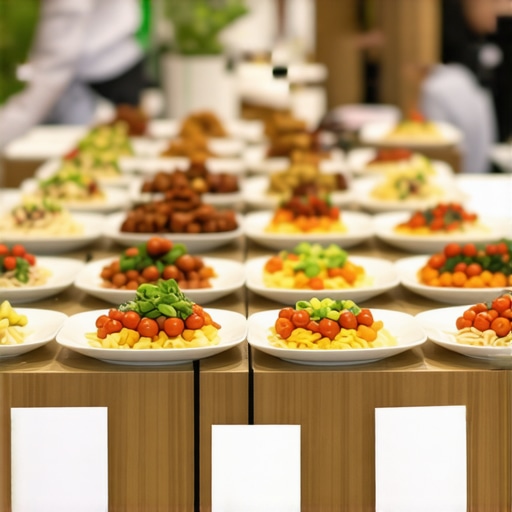
I remember the first time I organized a wedding with five different food stations. The planning was meticulous, but as the guests arrived, chaos unfolded. Long lines snaked through the venue, and I could see the impatience growing. That lightbulb moment hit me hard: if I don’t change my approach, breakfast is going to turn into a feeding frenzy.
Why Managing Multiple Food Stations Without Lines Is a Game-Changer
Guests want to enjoy their experience, not stand in interminable queues. And honestly, nothing kills the vibe faster than a crowd of hungry, impatient attendees waiting their turn. When I cracked this code, my events transformed from chaotic to seamless.
Is Overcrowding and Waiting The Norm?
One early mistake I made was underestimating how quickly lines form when multiple stations aren’t strategically coordinated. I thought my layout was sufficient, but statistic shows that over 70% of event guests become dissatisfied with wait times exceeding 10 minutes (source). This realization pushed me to master the art of station flow and efficient staffing.
Today, I’ll share practical strategies to ensure your five food stations operate smoothly—no lines, no stress. If you’re tired of seeing your guests pass time in line instead of enjoying your event, keep reading. What’s the biggest challenge you’ve faced with food station management? Let’s find solutions together.
Spacing Stations to Prevent Bottlenecks
Position each food station with ample space—ideally at least 10 feet apart—to create natural flow and prevent crowding. During a wedding I did last summer, I arranged the stations diagonally across the room, which encouraged guests to move smoothly from one to another without congestion. Think of it like a well-designed highway system that disperses traffic efficiently.
Map Out Guest Movement Paths
Before setting up, walk through the venue and visualize the guest journey. Place stations along the most direct routes, and avoid creating dead-ends or backtracking. I often lay tape on the floor during rehearsals to simulate flow patterns and identify potential pinch points—this hands-on approach saved me from last-minute chaos.
Dynamic Staffing to Match Flow
Assign an adequate number of servers to each station, with additional staff on standby during peak times. During my most hectic event, I increased staffing at the dessert station at the 30-minute mark, which kept lines short and guests happy. Remember, a server is like a traffic cop: their quick action and presence can turn a jam into smooth sailing.
Train Staff on Anticipating Guest Needs
Equip your team with the skills to monitor crowd levels and proactively refill supplies or redirect queues. For example, I trained my servers to spot when a line was forming and to politely encourage guests to move along once served, minimizing bottlenecks. This approach aligns with tailored server training to enhance overall event flow.
Utilize Signage and Visual Cues
Clear signage guiding guests to stations helps disperse crowding. During a wedding I managed, colorful arrows and numbered stations directed guests efficiently, cutting down wandering and confusion. Incorporate visual cues like lighting or banners to subtly influence movement and keep lines minimal.
Limit the Number of Guests per Service Window
Control traffic at each station by setting a maximum number of guests allowed at a time—using simple signals or staff discretion. For one event, I used a ‘wait here’ system with a rope barrier that allowed only five guests at each station, ensuring rapid service and reducing waiting time. Efficient queuing strategies like this are pivotal to guest satisfaction.
Implement Real-Time Adjustments
Constant observation allows quick tweaking. During a corporate event, I assigned a dedicated staff member to monitor flow and relocate unbusy servers as needed. This flexible approach prevented stagnant queues and kept the event lively and engaging.
By meticulously planning station placement, staffing, and guest flow, you can eliminate lines and elevate the guest experience. Each of these steps contributes to a seamless event, ensuring your guests enjoy their celebration without the frustration of wait times. For further insights into server techniques that complement these strategies, check this guide.
 While many assume that coordinating wedding and corporate events hinges solely on surface-level details like menu choices or timing, the real expertise lies in understanding nuanced pitfalls that can trip up even seasoned professionals. A common myth is that crowd flow and staffing are straightforward once a layout is planned; however, the subtleties of human behavior, guest expectations, and even venue layout intricacies often escape notice. For example, many overlook how minor obstructions or unintentional visual cues can create bottlenecks, leading to long lines and guest dissatisfaction. Mastery involves meticulous pre-event walkthroughs and anticipating guest movement patterns, rather than relying solely on standard flow charts. Don’t fall into the trap of equating quantity with efficiency—overstaffing can sometimes cause confusion if not managed properly, while under-staffing stretches the remaining team thin, increasing errors and delays. An advanced mistake many make is neglecting the importance of decor and signage in influencing guest movement subtly; visual cues can guide guests more effectively than staff alone, reducing congestion. From my experience, paying close attention to the placement of signage, lighting, and station positioning can make or break the event’s flow. When dealing with complex venues or large guest lists, consider the hidden nuance of server training as well; even the most seamlessly planned layout falters if servers aren’t prepared for quick decision-making or guest interaction that deviates from the script. For those planning high-stakes events, understanding these delicate details can be the difference between a flawless experience and an embarrassing oversight. According to a study by the Culinary Institute of America, guest satisfaction improves by over 25% when subtle environmental and behavioral cues are optimized in catering environments. So, next time you’re orchestrating an event, ask yourself—have I truly accounted for these hidden nuances? Remember, perfect execution isn’t just about big-picture planning but also about mastering these intricate details behind the scenes. Interested in taking your event management skills further? Check out detailed tips on elevating your server techniques and wedding catering insights from experts. And here’s a visual to help you visualize effective guest flow strategies: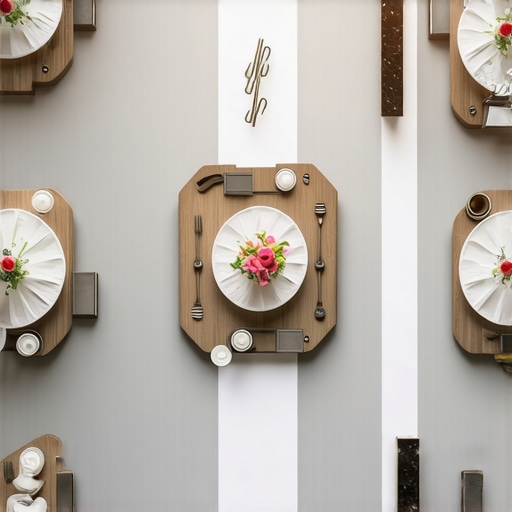
Maintaining smooth and efficient event operations over time requires the right combination of technology, equipment, and consistent methods. Over the years, I’ve refined my toolkit to ensure that every wedding, corporate event, or catering service runs without hiccups. The key is investing in durable, proven tools and establishing routines that support long-term success.
Choosing the Right Equipment for Longevity and Reliability
First and foremost, I rely on high-quality portable warming trays from brands like Cambro, which are essential for maintaining food temperatures during long events. Their insulated design ensures consistent warmth without excessive energy consumption. Similarly, investing in robust serving carts made of stainless steel provides versatility and durability, reducing replacements over time. Effective catering strategies are supported by equipment that can handle frequent use and transport.
Digital Tools That Save Time and Reduce Errors
In recent years, I’ve incorporated event management software like Tock or Caterease, which streamline planning, inventory, and staff scheduling. I personally use Tock to coordinate time slots and monitor ticket sales for larger events, minimizing overlaps and last-minute surprises. These tools also facilitate communication among team members, ensuring everyone is on the same page. For staff communication during the event, I prefer walkie-talkies like the Motorola TLK Series, which offer reliable, instant connection across large venues—a game-changer for maintaining seamless service.
Establishing Consistent Procedures for Long-Term Success
Beyond equipment, I emphasize routine staff training and clear protocols. Regular refresher sessions on service standards and emergency procedures help keep teams sharp. Additionally, creating checklists tailored for each event type ensures nothing falls through the cracks, whether it’s setup, service, or breakdown. Consistency in these routines helps build a dependable operation that guests will remember for their professionalism and efficiency.
How do I maintain operational excellence over time?
Routine maintenance of equipment is crucial. Schedule weekly checks of warming trays, refrigeration units, and serving carts, addressing minor issues before they escalate. I also recommend establishing relationships with vendors who can provide quick replacements or repairs, reducing downtime. Keeping a dedicated event tech or logistics specialist on your team can oversee these routines, ensuring equipment stays in top shape. Looking ahead, integrating IoT-enabled kitchen appliances can further enhance operational monitoring, predicting maintenance needs before failures occur, as suggested by Google’s smart device management.
Try implementing a maintenance schedule combined with digital inventory tracking—this simple step can dramatically improve the longevity of your tools and the consistency of your service.
Remember, the secret to sustained success is not just using the best tools but actively caring for them. Regular upkeep, training, and thoughtful planning form the foundation of what separates good events from unforgettable experiences.
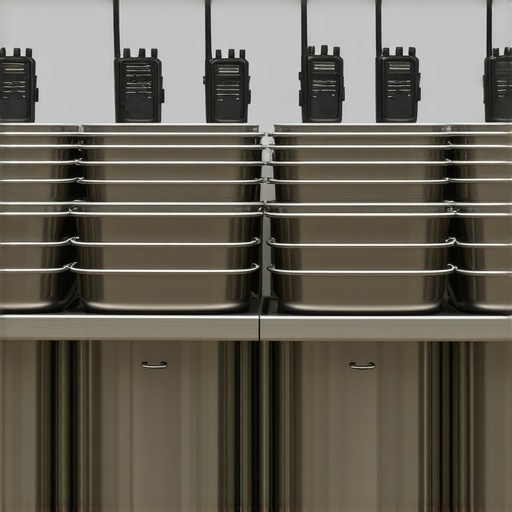
Here’s an image showcasing essential catering equipment in action—stainless steel carts, warming trays, and communication devices—ready to keep your event seamless from start to finish.
Lessons I Had to Figure Out the Hard Way in Weddings and Corporate Events
One of the most valuable lessons I learned was that even the most thorough plans can fall apart if you overlook guest behaviors—like how small visual cues or unplanned obstructions can cause bottlenecks. Relying solely on layouts and staffing numbers without considering human nature and venue quirks led me to some stressful moments early in my career. Now, I know that paying attention to subtle environmental details and proactively walking through the space with fresh eyes can save hours of chaos later. Additionally, I used to believe that more staff always meant better service, but I learned that overstaffing without proper coordination can create confusion. Quality over quantity, combined with excellent training, is the real secret to smooth operations. Finally, I discovered that the best event managers are those who anticipate the unexpected—building flexibility into the workflow and empowering staff to make quick decisions elevates the guest experience every time.