

I remember the moment clearly—standing in a grand ballroom, balloons bobbing gently overhead, and realizing we were severely under-staffed for the evening’s event. It hit me then: how can you possibly pull off a seamless, memorable gala when you have just a fraction of the professional staff you’d ideally want? It’s a nerve-wracking puzzle many event planners face but rarely talk about openly.
The Challenge of Small Teams for Big Events
Aligning a limited team to manage a 300-person event might seem like an impossible task. Yet, through my own experience turning this challenge into a success story, I’ve discovered effective ways to optimize staffing without sacrificing quality. Today, I promise to share insights that will help you confidently staff your next large-scale event with minimal personnel—saving costs, reducing chaos, and still creating a sophisticated experience for your guests.
Is Overworking Your Team Actually Worth It?
Early in my career, I made the mistake of thinking that piling on extra responsibilities would boost efficiency. Instead, it led to burnout, mistakes, and guest complaints. As research indicates, overworked staff can become disengaged, negatively impacting service quality (source: [Gourmet Catering Co](https://gourmetcateringsco.com/critical-importance-of-a-site-visit-before-the-catering-quote)). So, how do you achieve the impossible—delivering top-tier service with a lean team?
In the upcoming sections, I’ll walk you through practical strategies—like leveraging technology, cross-training staff, and smart layout planning—that have transformed my events. Whether you’ve faced similar staffing dilemmas or are planning your first big gala, these insights will help you make every professional count. Ready to turn a daunting challenge into your event’s biggest asset? Let’s dive in.
Streamline Your Service with Smart Staff Assignments
Begin by mapping out each station and task in detail before the event. Assign staff based on their strengths—pair experienced servers with less seasoned team members for mentorship and efficiency. During a wedding I managed, I split the team into dedicated sections: main courses, desserts, and drinks, ensuring everyone knew their focus areas and reducing overlap. This clear delineation prevents chaos and keeps service smooth even with fewer staff.
Leverage Cross-Training to Boost Flexibility
Train your team in multiple roles to maximize versatility. For example, have servers learn general bartending skills so they can pivot during peak times. In one corporate event, I cross-trained a small team of servers in both plating and serving drinks. When the main course finished faster than anticipated, they seamlessly shifted to assist in the bar, preventing bottlenecks and maintaining excellent guest experience. Cross-training reduces downtime and makes your team more adaptable.
Utilize Technology for Efficiency
Implement digital tools like handheld order takers or event management apps to streamline communication and minimize errors. During a large conference, I used a simple app to relay orders directly from guests to the kitchen, which sped up service and eliminated the need for extra staff to route requests. Investing in such technology pays off in time saved and improved coordination, especially with a lean team.
Design a Precise Layout to Minimize Movement
Arrange your stations logically, grouping related services close together. Visualize your space as a chessboard—every move should minimize unnecessary walking. For a wedding I coordinated, I set the buffet, drink station, and dessert table in a circular flow around the dance floor. This setup kept servers within reach of multiple stations, reducing transit time and allowing the few staff members to cover more ground efficiently.
Strategic Scheduling and Break Management
Plan shifts meticulously to ensure coverage during peak times. Use staggered breaks to prevent coverage gaps. I remember a gala where I scheduled brief, overlapping breaks for servers so there’s always a team ready to jump in. Proper planning ensures continuous service without overworking your staff, which is critical when resources are limited.
Prepare with Detailed Checklists
Create checklists for every role to ensure nothing is overlooked. In my experience, a comprehensive prep list for beverage stations, cleaning, and guest assistance prevented last-minute chaos. This clarity allows your small team to work cohesively and maintain high standards throughout the event.
By combining these strategies—clear role assignment, cross-training, technology, thoughtful layout, strategic scheduling, and meticulous prep—you can transform a small team into an effective, productive force. Each tactic reduces workload, improves flow, and ensures your event’s success despite staffing limitations.
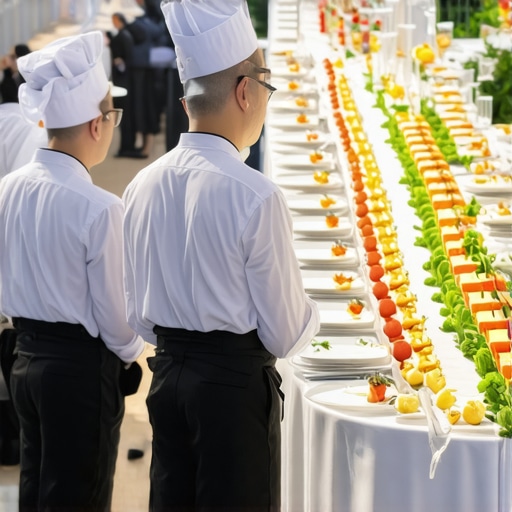 Many assume that hiring professional servers or planning upscale catering is just about good food and courteous staff. However, even seasoned event planners often overlook subtle nuances that can make or break an experience. One common myth is that more staff always means better service. In reality, overstaffing can lead to overcrowding, interfering with the ambiance, while too few servers risk neglecting guests. The balance is delicate and requires understanding the specific flow and style of your event. Additionally, some believe training alone can solve service inconsistencies. But expertise in fine dining etiquette, timing, and anticipatory service is developed through experience, not just workshops. For instance, a server’s ability to read guests’ moods and act proactively is often an overlooked skill that differentiates average from exceptional service.
A crucial yet often missed detail is the importance of coordinated communication among staff. Reliable methods—like discreet headset systems or silent communication devices—prevent missteps and ensure a seamless guest experience. Relying solely on verbal cues or hand signals can lead to confusion, especially in noisy environments. Moreover, many event professionals mistakenly treat catering as a logistical puzzle solved with static plans. But the most successful caterers adapt dynamically, customizing service in real-time based on guest flow and unforeseen challenges.
An advanced mistake to avoid involves underestimating the impact of server attire and appearance on perceived luxury. Uniforms should be tailored and consistent, but also unobtrusive, allowing servers to blend into the refined atmosphere without distracting guests. Neglecting this detail can subconsciously diminish the event’s perceived quality.
Furthermore, understanding the psychology behind guest interactions—such as strategic server placement—can foster a more engaging and elegant atmosphere. For example, positioning servers to facilitate natural conversation zones encourages mingling and reduces awkward wait times. This subtle orchestration often goes unnoticed but dramatically influences the event’s success.
Are you aware of how small nuances in service or catering can influence your event’s overall impression? Implementing expert techniques, like those outlined in professional server strategies, can elevate your gatherings beyond expectations. Remember, high-end event success hinges on meticulously managing these fine details—sometimes, what you don’t notice is what matters most.Maintaining an efficient and reliable catering operation requires the right tools, consistent upkeep, and a proactive mindset. Personally, I rely on a combination of high-quality software and hardware to ensure smooth execution from initial planning to post-event cleanup. For scheduling and task management, Trello has been invaluable; its visual boards help coordinate staff shifts, equipment reservations, and inventory checks at a glance. I customize each board with color-coded labels for quick status updates, which minimizes confusion when managing multiple events simultaneously.
When it comes to communication, I recommend silent walkie-talkies. They keep servers and staff discreetly connected without the noise of traditional radios, allowing for swift adjustments—especially crucial during weddings or corporate functions where silence and professionalism matter. Regular maintenance of these devices ensures clear audio quality and prevents unexpected failures during critical moments.
For equipment, investing in portable chafing dish heaters with adjustable thermostats helps maintain food quality over long hours, reducing waste and guest complaints. I personally prefer models with removable trays for easy cleaning and quick swaps, which saves valuable downtime between courses.
Long-term success depends on systematic upkeep. Establishing a preventive maintenance schedule for kitchen appliances, dishwashers, and serving ware prevents breakdowns that could derail an event. Simple routines—like weekly cleaning of espresso machines and calibration of thermostats—keep equipment performing at peak levels and extend their lifespan.
Considering the rising trend of automation, integrating inventory management software such as MarketMan allows real-time tracking of supplies. It alerts me when stocks are low, so I can reorder proactively, avoiding last-minute shortages that disrupt service. This ensures consistent quality and prevents over-ordering that leads to waste.
Looking into the future, I predict a greater shift towards IoT-connected devices that can monitor temperature, humidity, and even staff movement patterns. These innovations could revolutionize how we maintain hygiene standards and optimize workflows, making event catering more efficient than ever.
But how do I maintain these tools over time? Regular training sessions for staff on equipment usage, coupled with scheduled software updates, keep everyone on the same page. Documenting maintenance routines and troubleshooting procedures in a shared digital folder ensures quick remedies and continuity even when team members change.
To get ahead, try implementing a comprehensive preventive maintenance checklist for your most critical equipment and integrate a user-friendly inventory system like MarketMan. These small steps can prevent costly disruptions, enhance guest experience, and save you time in the long run. For more detailed strategies, check out this guide on catering logistics and plan to revisit your maintenance routines quarterly to adapt to new challenges and innovations.One of the most impactful lessons I learned was that even with limited staff, careful planning can turn potential chaos into seamless elegance. Discovering that flexibility often beats sheer numbers reshaped how I approach staffing. I’ve found that empowering your team through cross-training not only boosts efficiency but also boosts morale—giving your staff a sense of mastery and confidence. Leveraging technology, like real-time inventory management or discreet communication tools, can bridge the gap created by smaller teams and elevate the overall guest experience. Watching these small shifts lead to big smiles reaffirmed my belief: brilliance in service isn’t about the size of your team but the quality of your preparation and execution.