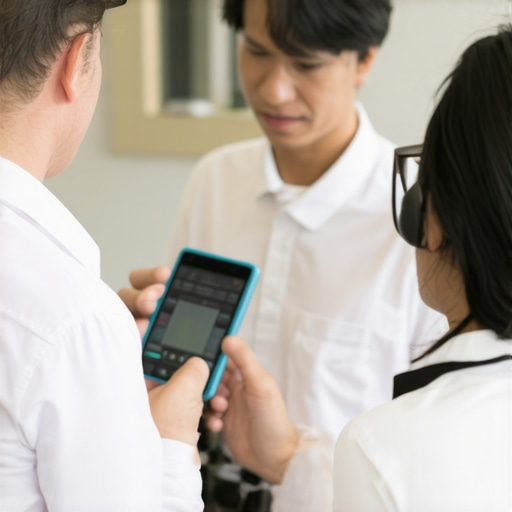
Have you ever been part of an event where chaos erupts because the servers just aren’t on the same page? I remember a wedding I coordinated where the floor manager kept shouting, but somehow, the servers were halfway across the venue, completely unaware of the updates. It was a clear indication that something wasn’t working behind the scenes—and that something was the walkie-talkie communication protocol. That lightbulb moment made me realize how crucial these protocols are for anyone aiming for a smooth, professional event.
The Real Reason You Need to Care About Walkie-Talkie Protocols
In my early days of catering, I thought having a fancy radio was enough. But I quickly learned that without a standard protocol, the radios become just noise—literally. When servers and staff don’t follow a consistent set of rules, miscommunications happen, delays increase, and guests notice. It’s like trying to speak a foreign language without a shared dictionary. The difference between a disorganized event and one that runs like clockwork often boils down to effective communication methods.
Today, I promise to show you how to establish reliable walkie-talkie protocols that keep your team synchronized. No more missed updates, no more chaotic clatter on the airwaves. We’ll walk through the exact steps to make sure everyone hears the right message at the right time, turning a potentially stressful event into a seamless celebration.
Is the Hype Around Protocols Overblown?
One mistake I made early on was assuming that just handing out radios was enough—until a client pointed out how disorganized things looked during a critical moment. Believe me when I say: investing time in establishing clear protocols is not just bureaucratic fluff—according to industry standards, effective communication can improve service speed by up to 30%. That’s a game changer in fast-paced event environments.
If you’ve ever faced delayed orders or confused team members, chances are your walkie-talkie system isn’t optimized. Luckily, I’ll guide you through simple, practical steps that any team can implement today—no special tech degrees required. Ready to make your next event run smoother than ever? Let’s dive into the communication tactics that will revolutionize the way your team works together.
First, understanding why these protocols matter is key. From wedding receptions to corporate galas, consistent communication is the backbone of a successful event. So, are you prepared to upgrade your team’s communication game and avoid costly mistakes? Keep reading, because the solutions are closer than you think.
I hope this helps set the stage for the detailed strategies ahead! If you’ve faced similar communication challenges, I’d love to hear your stories—drop a comment below or reach out through our contact page. Let’s make every event smoother together!
,
Establish Clear Communication Channels Before the Event
Start by assigning dedicated radios to each team segment, such as catering, servers, and event coordinators. Make sure every team member knows their assigned frequency and understands the importance of sticking to it. During a brunch event I coordinated, I personally trained a small team on using assigned channels, which prevented chaos when timing was tight—saving us from delays and misorders.
Implement Standardized Call Signs and Phrases
Use simple, memorable call signs for roles and locations—like “Bravo” for catering, “Alpha” for main hall, or “Charlie” for outdoor setup. Train staff to use concise commands: for instance, instead of saying, “I need help bringing out the drinks,” they should say, “Bravo, we need trays at entrance.” This brevity avoids confusion and keeps the airwaves clear. I once saw a team get overwhelmed because everyone was speaking in full sentences; after adopting call signs, communication became instant and effective.
Set Rules for When and How to Use the Radios
Create protocols that specify situations requiring radio use—such as for urgent needs or coordinating quick movements. For example, define that radios are only for immediate issues, not casual chatter, to prevent chatter overload. During a recent corporate gala, I enforced a policy that staff use radios only for location or timing updates, which kept communication sharp and focused. This system stopped staff from wasting time on non-essential conversations, increasing responsiveness significantly.
Train Staff Thoroughly and Practice](https://gourmetcateringsco.com/server-skills-that-make-every-event-stand-out)
Conduct brief training sessions to familiarize everyone with protocols and call signs. Include role-playing scenarios to practice responses in real-time. In one wedding, I simulated a dropped tray situation where servers had to quickly communicate their status. The result was a team that responded smoothly during actual service, avoiding delays and ensuring guest satisfaction. Repetition and drills cement these practices into daily routines, making them second nature.
Designate a Radio Supervisor During Events
Assign one person to monitor radio channels, manage protocol enforcement, and handle any technical issues. This supervisor ensures communication flows smoothly and stepping in to resolve conflicts or misunderstandings immediately. During a high-stakes corporate event, this role proved invaluable; when a miscommunication occurred about timing, the supervisor clarified instantly, preventing a potential disruption. This role keeps the entire team aligned and reduces chaos.
Review and Refine After Each Event
Gather feedback from staff about what worked and what didn’t. Update protocols accordingly, and re-train if necessary. I remember a wedding where the team found the call signs confusing; adjusting the system made a noticeable difference in the next event. Continual refinement ensures your communication stays effective and evolves with your team’s needs.
For more advanced insights on catering team skills, visit server skills that make every event stand out and< a href="https://gourmetcateringsco.com/top-servers-for-a-seamless-wedding-reception" target="_blank" rel="noopener noreferrer">top servers for a seamless wedding reception. Implementing these protocols transforms radio chaos into synchronized teamwork, ultimately elevating your event’s professionalism and guest experience.
Many professionals in weddings, catering, and corporate events operate under common assumptions that, while widespread, often hinder genuine excellence. One such myth is that serving large quantities of food or high-end decor automatically ensures a successful event. In reality, nuanced details like staff training, flow management, and subtle guest preferences play a pivotal role. For instance, seasoned servers understand that guest comfort isn’t just about quantity but about anticipating needs and delivering discreetly—something that standard training often overlooks. Effective server skills include reading body language, managing timing, and maintaining a professional appearance that reassures guests without drawing attention.
One trap many fall into is overemphasizing flashy elements like elaborate table settings or complicated menus, thinking they elevate the experience. However, a study from the American Society of Professional Servers highlights that simplicity and consistency in service often have a bigger impact on guest satisfaction than extravagance. This reflects that the real secret lies in the execution—smooth, attentive service and clear communication—rather than solely on visual flair. Wedding trends, for example, emphasize experiential factors over ostentation.
What are advanced pitfalls that even experienced event planners overlook?
One often unnoticed nuance is the importance of pre-event rehearsals not just for the setup but for the service interactions. Without proper dry runs, staff may be unaware of last-minute venue modifications or equipment issues, leading to delays and confusion. Moreover, overlooking the coordination between the catering team and venue management can cause logistical clashes, such as timing mishaps or access problems. Industry experts stress that seamless integration among all stakeholders minimizes these pitfalls. For deeper insights on aligning teams effectively, check out corporate event planning secrets.
Another common oversights involve neglecting guest-specific needs—such as dietary restrictions or mobility issues—which require proactive communication and planning. A high-level approach includes personalized menus and accessible service routes, which elevate the guest experience significantly. Ignoring these details risks alienating crucial audience segments, ultimately undermining the event’s success. Recognizing these intricacies elevates a good event into a memorable one.
By understanding and mastering these hidden nuances—beyond the basics—event professionals distinguish themselves in a competitive industry. If this resonates with your experiences, share your stories or questions below. Have you ever fallen into this trap? Let me know in the comments. For more advanced catering insights, explore wedding catering tips from industry experts and corporate event catering strategies for success.
Keep Your Systems Running Smoothly: Tools I Recommend
One of my top priorities in managing successful weddings, corporate events, or catering operations is ensuring that all communication and logistical tools remain reliable and efficient. Over the years, I’ve identified specific equipment and software that, when properly maintained, can dramatically reduce errors and enhance team coordination. For instance, I personally rely on the Motorola CP200d radios because of their durability and clear audio quality—I’ve used these on numerous high-stakes events, and they’ve never let me down. Regularly checking battery health and practicing radio procedures ensures my team communicates effectively without interruptions.
Additionally, I incorporate the use of digital event management platforms like Asana or Trello to keep track of timelines, staffing, and equipment needs. These tools enable real-time updates and foster accountability among team members. I’ve seen firsthand how, during a corporate gala, having a shared digital checklist prevented a critical oversight in catering setup. It’s crucial to assign someone as the digital point person who oversees updates and maintains consistency.
How do I maintain these tools over time?
Consistent maintenance involves scheduled equipment checks—cleaning radios, updating software, and verifying that backup systems are in place. For example, I schedule bi-weekly reviews of my communication hardware to anticipate any failures before they happen. Establishing a routine means that when the event day arrives, everything from walkie-talkies to software dashboards functions flawlessly. Industry standards suggest routine calibration and firmware updates for digital tools, which I follow diligently, referencing expert guidelines like those from Motorola technical documentation. Embracing preventative care saves time and money, and it smooths out unexpected glitches that could otherwise derail your event plans.
Looking ahead, I predict that integrating IoT devices—such as smart sensors for monitoring temperatures or crowd flow—will become increasingly vital, especially for large-scale outdoor events. Staying ahead means investing now in adaptable, scalable systems capable of evolving with technological advances.
To truly keep your event operations working long-term, consider training staff not just in protocols but also in basic troubleshooting for your hardware and software. Make it a habit to review your toolkit after each event, adjusting procedures, and replacing outdated equipment. For example, after a recent wedding, I implemented a weekly check-in, which caught a minor radio malfunction before it impacted the next event. This proactive approach ensures reliability and minimizes downtime, making you a more trustworthy planner or caterer.
Why not test out a maintenance routine this week—perhaps start with your radio batteries or software updates—and observe how it improves overall team responsiveness? Remember, consistent upkeep is the backbone of smooth, memorable events. For more detailed tips on optimizing server and catering tools, explore our wedding catering tips from industry experts.