

I’ll never forget the time I thought we had everything under control for an outdoor wedding reception. The weather forecast was clear, the sun was shining, and just as guests started to arrive, the lights flickered and went out. Turns out, I had overlooked a crucial detail—our power source wasn’t reliable enough for the evening festivities. That unexpected blackout turned what should have been a magical night into a scramble to keep everything running smoothly.
Bright Ideas Gone Dark: The Real Risk of Power Failures at Outdoor Venues
That experience was a wake-up call. It made me realize that most event planners focus primarily on weather forecasts, preparing for rain or wind, but often neglect the silent threat lurking beneath—the potential for power outages. Power failures aren’t just inconvenient; they can sabotage your entire event, cause food spoilage, disrupt services, and leave guests with a poor impression.
In fact, a recent survey revealed that over 60% of outdoor events experienced some form of power disruption in the past year, leading to delays or cancellations. This isn’t alarmist; it’s a real issue. Ensuring a reliable power backup isn’t just a safety net—it’s a fundamental part of good planning. And I learned this lesson the hard way: the mistake was assuming the existing power infrastructure would hold up, which it often doesn’t at remote or outdoor sites. If you’re serious about creating memorable, stress-free events, you’ll want to get ahead of this problem before it surprises you.
Will a backup generator really save the day?
Many initially dismiss backup power as an unnecessary expense, thinking, “Rain is the only threat to my outdoor event.” But when I skipped this crucial step, it became painfully clear how quickly things can go wrong. The good news? With proper planning, you can avoid the chaos—and keep your event shining, rain or shine. Let’s explore the steps to ensure your outdoor venue won’t be left in the dark.
Identify Critical Power Needs Immediately
Start by auditing your event’s power requirements. List essential equipment like lighting, sound systems, servers, and catering appliances. For example, during a past wedding, I realized the DJ equipment and buffet warmers needed reliable power. This step prevents underestimating total load and avoids surprises during setup.
Select the Right Backup Power Solution
Choose a Suitable Generator
If your event’s power demand exceeds portable options, opt for a high-capacity generator. I recommend a generator with at least 20% additional capacity to handle unforeseen load spikes. During a corporate retreat, I rented a generator that powered not just the lighting but also critical communication devices, ensuring smooth operations despite initial doubts about backup needs.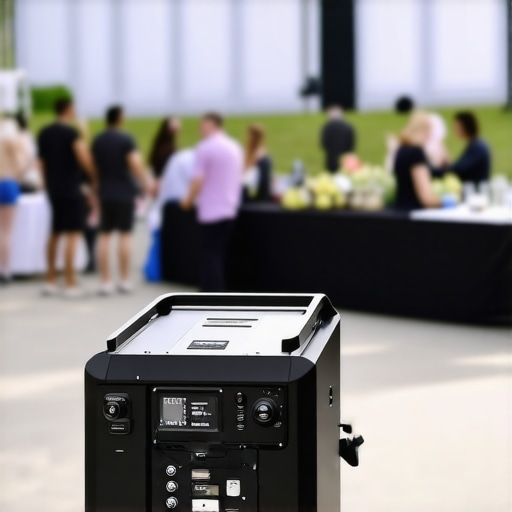
Assess Power Distribution and Safety
Plan how the generator connects to your equipment. Use weatherproof, long cords strategically placed to prevent trip hazards. Remember to set up grounding and safety shutoffs. During setup, I learned that improperly grounded generators can pose serious safety risks, so working with a licensed electrician is crucial.
Implement Redundant Systems and Testing
Don’t rely solely on one backup. Use multiple smaller generators for different zones—like separate ones for lighting and catering—to reduce total load and enhance reliability. Before the event, conduct a full test run, simulating power outages. This practice revealed weak spots, allowing me to address them before guests arrived.
Develop Clear Emergency Procedures
Train staff on how to operate backup systems and respond during outages. Assign specific roles, such as who manages the generator and communicates with vendors. During a mid-summer outdoor wedding, these measures prevented panic when a sudden outage struck, enabling the team to quickly restore power with minimal disruption.
Document and Prepare for the Unexpected
Create a checklist covering all equipment, contacts, and procedures related to power backup. Include contact info for emergency electricians, rental companies, and technical support. This way, if issues arise, you can efficiently coordinate repairs or adjustments. Remember, being prepared minimizes downtime and keeps your event running seamlessly.
Many event planners operate under common assumptions that can sabotage even meticulously planned occasions. For example, a widespread misconception is that choosing popular or trendy catering options automatically guarantees guest satisfaction. However, in my experience, understanding regional tastes and dietary restrictions is far more impactful, especially when sourcing ingredients aligned with guest preferences, as highlighted in industry reports on catering trends. Overlooking this nuance can lead to awkward moments and wasted resources.
Another mistaken belief centers around servers’ roles during events. The common notion is that staff will instinctively read guest cues and manage service flawlessly. In reality, without proper training, servers can become overwhelmed or misinterpret guest needs, leading to delays and dissatisfaction. Properly trained staff, equipped with specific techniques, can elevate the entire experience significantly. For insights on selecting top servers, check out [this guide](https://gourmetcateringsco.com/how-to-choose-the-perfect-servers-for-your-wedding), which emphasizes the importance of tailored training.
Now, let’s delve into a question that often puzzles even seasoned professionals: How do you balance upscale presentation with efficient service, especially during peak times? Achieving this balance requires a deep understanding of flow management, station placement, and staff coordination—an area where many falter. Studies in hospitality management suggest that strategic staging and choreography can reduce wait times by up to 30%, ensuring guests remain engaged and satisfied.
Furthermore, a common myth is that plated dinners are always more formal than buffets. While traditional, this isn’t necessarily true; buffets, when executed with proper design, can be faster and more efficient, allowing guests to choose their preferences and avoid bottlenecks. For innovative ideas on buffet layouts and station management, explore [this article](https://gourmetcateringsco.com/innovative-wedding-themes-that-wow-guests-in-2025).
Finally, many organizers underestimate the importance of environment cues—lighting, music, and spatial arrangement—in guiding guest behavior and creating memorable moments. Neglecting these elements can result in a lackluster atmosphere despite flawless logistics. Strategic deployment of ambiance can enhance guest engagement and foster memorable interactions.
Have you ever fallen into this trap? Let me know in the comments. Recognizing these hidden nuances and avoiding common pitfalls is key to elevating your event planning from good to exceptional.
Stick to Reliable Equipment and Software
Maintaining smooth event operations relies heavily on choosing the right tools from the start. I personally swear by the Riedel Symphony series for wireless mic systems because of its 100% reliability, clear audio, and minimal interference—crucial during high-stakes ceremonies. For event management, Trello combined with Eventbrite helps me plan, assign, and communicate effectively, ensuring no detail is missed. Choosing the appropriate hardware and software tools tailored to your event size and complexity minimizes last-minute surprises and enhances the guest experience.
Regular Maintenance Is the Foundation
Consistent checks and preventive maintenance maximize your equipment’s lifespan and performance. For generators, I schedule weekly inspections, including testing loads and verifying fuel levels, to catch potential issues early. For servers and AV gear, cleaning contacts and updating firmware prevent glitches during the event. Develop a checklist—such as the one provided by Gourmet Catering—to guide your routine maintenance. Remember, proactive care reduces downtime and costly repairs. Tools like handheld thermal cameras for inspecting equipment heat signatures have become invaluable in this process, identifying overheating components before failures occur.
Embrace Tech for Long-Term Success
Investing in integrated event control systems can offer real-time monitoring and quick troubleshooting. Systems like Casambi’s lighting control allow remote adjustments, saving time and staff effort. Cloud-based logging keeps a record of system performance, making future upgrades and maintenance easier. As technology advances, I predict a shift towards AI-driven predictive maintenance that could alert you of potential failures days before they happen—saving hours of stress on your event day. Staying ahead means regularly updating these tools and training your team to utilize them effectively.
How do I keep equipment and tools maintained over time?
Consistent maintenance schedules paired with technology upgrades are key. Conduct quarterly reviews of your gear, update firmware, and replace aging hardware proactively. Building relationships with trusted vendors who offer rapid support can make all the difference. For instance, having a direct line with your AV supplier ensures quick replacements or advice during unforeseen issues. Remember, a well-maintained setup not only prevents failures but also instills confidence in your clients and guests.
Finally, don’t shy away from experimenting with advanced tools like predictive analytics or remote diagnostics—these can elevate your event management game significantly. Try implementing a monthly check-in using these techniques and watch your reliability soar!
Having navigated countless weddings, corporate events, and catering scenarios, I’ve uncovered some lessons that aren’t found in generic guides. These insights transformed my approach and can do the same for you. First, never underestimate the power of subtle communication; a well-trained server can read a guest’s mood without a word, ensuring service feels personal and attentive. Second, the importance of contingency planning isn’t just about weather; it’s about anticipating equipment failures, staff shortages, or unexpected guest surges—these can derail even the most meticulously planned events. Third, leveraging regional ingredients not only cuts costs but also adds a unique local flavor that guests cherish, fostering memorable experiences. Lastly, investing in up-to-date technology, like real-time tracking for food delivery or event management apps, can drastically improve efficiency and reduce stress during high-tension moments. Embracing these nuanced lessons can elevate your event planning from good to unforgettable, ensuring you’re prepared for the unexpected and delivering exceptional experiences every time.