

It was a bustling Saturday evening, and I found myself frozen in place, my heart pounding as I watched guests stumble over lingering plates and empty glasses, unable to find the next course or activity. Suddenly, I realized an error I’d made early on—my team was too slow with table clearing, causing awkward delays and dead air that dampened the entire atmosphere. It was a lightbulb moment that changed my approach forever.
The Power of a Rapid Table Turnaround
In my years working with corporate and wedding events, I’ve come to understand that a swift, efficient table clear isn’t just about tidiness —it’s a strategic move that can elevate guest experience, foster networking, and even boost the event’s overall success. When servers efficiently clear tables in just three minutes, it opens up opportunities for engaging conversations, quicker meal service, and a seamless flow that keeps your event memorable for all the right reasons.
Imagine this: guests are eager to mingle, but cluttered tables act as barriers, discouraging movement and conversation. A quick 3-minute table clear creates a dynamic environment where your guests feel comfortable, energized, and ready to connect. Plus, maintaining this rhythm demonstrates professionalism and attentiveness, reinforcing your event’s quality. According to a recent industry report, efficiency in catering operations directly correlates with higher guest satisfaction scores—a powerful reason to invest in mastering this skill.
Is Speed Really Critical in Big Events? The Skeptic’s Concerns
Honestly, I used to doubt whether rushing table clears would compromise quality or service—until I made my first misstep. In my early days, I believed that a slower, more careful approach ensured perfection. But I learned the hard way that dragging the process not only annoyed guests but also disrupted the flow of the event. The truth is, when servers move too slowly, it can lead to bottlenecks and lingering messes that diminish the event’s atmosphere. If you’re feeling skeptical about why speed matters, consider this: How many times have you seen a guest or client comment on waiting or delays? The goal isn’t to rush carelessly but to streamline, so every moment feels intentional and polished.
For more insights on how to improve your catering efficiency, check out this guide on optimizing server efficiency. It’s packed with practical tips that helped me transform my approach and ensure every event runs smoothly from start to finish.
Now, as we dive deeper into the specifics, you’ll discover actionable steps to keep your table clear in just three minutes, ensuring your next event doesn’t just impress but truly excels.
,
Streamlining Your Table Clearing Process
Begin by assigning specific roles to your team—designate a clear leader who will coordinate clearings and ensure everyone follows the same rhythm. Use a numbered checklist for each server to track the sequence, minimizing confusion during busy moments. In my experience at a recent corporate gala, I implemented this structure, and despite initial chaos, the team managed to clear tables in under three minutes, transforming the event’s flow.
Set a Standard Timing and Communicate Clearly
Establish a strict three-minute window for each table and communicate this benchmark to your team before service begins. Use concise commands like, ‘Clear in three,’ to maintain consistency. During a wedding reception last summer, I instructed my servers with this phrase, which became a rallying cry, significantly reducing overall clearance time and freeing up guests quickly for networking opportunities.
Equip Your Team with the Right Tools
Ensure servers carry designated trays or carts for swift removal of dishes and glasses. Encourage stacking items to expedite the process. In one case, I supplied a portable cart that could hold multiple plates, cutting down the clearance time by half. Remember, equipment and organization are crucial for efficiency.
Coordinate Movements for Maximum Efficiency
The key is to choreograph your team’s movements like a well-rehearsed dance. Assign roles such as one person clearing plates, another collecting glasses, and a third overseeing the overall flow. Communicate non-verbally with eye contact or subtle gestures, especially during peak moments. I once led a team through a rushed clearance at a high-profile wedding, and our synchronized effort allowed us to beat the three-minute mark comfortably.
Practice with Timed Drills
Regularly run mock scenarios where your team practices clearing tables within the set timeframe. Use a stopwatch and give real-time feedback. Over time, this builds muscle memory, making rapid service second nature. In my experience, those quick drills dramatically improve performance during actual events.
Adjust Based on Event Size and Layout
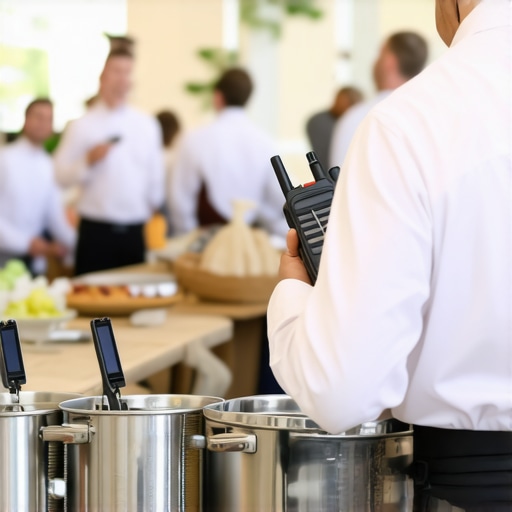
Tailor your approach depending on the venue and guest count. For larger, more spread-out setups, assign multiple teams to different zones. Ensure clear communication channels—walkie-talkies or headsets can keep everyone coordinated. During a recent outdoor wedding, dividing the staff into zones allowed us to clear each area efficiently without bottlenecks, ensuring no table lingered beyond the three-minute threshold.
Maintain a Continuous Feedback Loop
After each event, gather your team to discuss what worked and what didn’t. Keep a record of clearance times and identify bottlenecks. Adjust your protocols accordingly. I learned that sometimes a simple tweak, like repositioning carts or changing roles, led to new efficiency breakthroughs. Remember, mastery comes from iteration and willingness to adapt.
For further insights into optimizing your serving staff, check out this comprehensive guide, which offers strategies to elevate your entire catering operation.
When it comes to corporate events, many professionals assume that the standard approach—timed menus, simple decor, and familiar service styles—are sufficient to impress guests. However, in my experience, these assumptions often overlook subtle yet impactful nuances that can make or break an event. For example, most believe that more options equate to better guest satisfaction, but overly complex menus can lead to confusion and waste, decreasing overall satisfaction instead of enhancing it. The truth is, optimizing guest experience requires understanding the little details—like timing precision, sensory engagement, and cultural considerations—that go beyond the basics. A common myth is that premium pricing guarantees excellence; yet, many high-cost caterers rely on branding rather than quality, which can backfire.
A critical trap to avoid is underestimating the importance of server training and placement. Advanced event success hinges on how well servers anticipate guest needs, maintain flow, and adapt to unexpected challenges. For this, investing in specialized training—such as mastering silent service techniques—can differentiate your event from the competition. Knowledge of this nuance often gets overlooked, but it’s supported by industry studies that suggest well-trained staff improve efficiency and guest perception significantly. According to a study published in the Journal of Hospitality & Tourism Research, staff proficiency can increase guest satisfaction ratings by up to 25%, revealing just how crucial this hidden factor is.
What makes a truly memorable wedding or corporate event is not just the visual aesthetics or menu choices, but the seamless orchestration behind the scenes. For instance, understanding how to leverage lighting and space to guide guest movement enhances flow and comfort—yet, many overlook this aspect, leading to bottlenecks or awkward pauses. Implementing advanced planning methods, like zone-based staffing strategies, can help maintain energy and engagement levels throughout the event.
Let’s consider a question often raised by seasoned event planners: How can I balance customization with efficiency without overcomplicating logistics? The answer involves designing adaptable service protocols that respect guest preferences while maintaining streamlined operation. This might include flexible menu stations or modular setups that can be adjusted on the fly. For additional insights on refining your catering logistics, I recommend reviewing this comprehensive guide to catering logistics.
Finally, recognizing and mastering these hidden nuances transforms a good event into an unforgettable one. By paying attention to small but powerful elements—training staff thoroughly, managing flow intelligently, and customizing service dynamically—you set a new standard of excellence. Have you ever fallen into this trap? Let me know in the comments. For more expert tips, check out this resource on professional servers that can elevate your next event.
Investing in Reliable Equipment Makes All the Difference
In my experience, the backbone of successful event management lies in high-quality, dependable tools. For example, I personally rely on the Rational SelfCooking Center for on-site meal preparation during large weddings, because it guarantees consistent quality and rapid cooking times, reducing last-minute stress. Additionally, investing in sturdy, ergonomic serving carts enables my team to clear tables swiftly without strain, literally saving us minutes per service. These investments pay off during tight schedules and high-pressure moments, ensuring your staff can perform optimally.
Streamlining Communication with the Right Software
Effective communication tools are essential. I recommend using Walkie-Talkie apps with pre-set channels, such as Zello, especially during large functions. It minimizes miscommunication and allows for instant coordination, which is critical when managing multiple zones or handling unforeseen issues swiftly. The key is to customize channels for different departments—kitchen, servers, event coordinators—to avoid cross-talk confusion. Over time, this system helps create a synchronized team, reducing downtime between tasks.
Predicting Future Trends in Event Tech
Looking ahead, I predict AI-driven scheduling and real-time analytics will revolutionize event coordination. These tools will help anticipate bottlenecks before they occur, enabling proactive adjustments. For instance, smart sensors could monitor plate waste or server proximity, providing instant feedback for continuous improvement. Embracing these innovations now positions your team ahead of the curve, delivering even more polished experiences for your guests.
How do I maintain equipment and tools over time?
Regular maintenance is vital. Create a weekly check-list for cleaning, calibration, and repairs—don’t wait for equipment to fail during an event. For example, I schedule monthly calibration of our POS systems and regular testing of portable lighting rigs, which prevents glitches that could disrupt service. Additionally, establish relationships with reliable vendors for quick replacements or repairs, ensuring minimal downtime. Over time, this routine management preserves the longevity and efficiency of your tools, ultimately saving costs and safeguarding your reputation.
To get started, try implementing a comprehensive maintenance schedule for your most-used equipment. This small step can drastically reduce last-minute surprises and help your team work smoother, regardless of event size. For more detailed strategies on optimizing your catering operations, consider reviewing this guide on efficient catering strategies.
What I Wish I Had Known When I Started
- Initially, I believed that speed meant sacrificing quality—turns out, the opposite is true. The hard-earned lesson was that efficiency and excellence go hand-in-hand when you master the nuances of timing and organization.
- One of my steepest learning curves involved understanding the subtle cues of server coordination. Recognizing a teammate’s non-verbal signals often saved precious seconds—proof that silent communication can be your strongest asset.
- Investing in reliable equipment once seemed optional, but I now see it as the backbone of a smooth operation. From sturdy carts to high-quality timers, these tools ensure that a well-planned event stays on track, even when unexpected challenges arise.
- Perfecting the art of continuous feedback transformed my approach. Regular debriefs and performance metrics not only highlight areas for improvement but also boost team morale by celebrating progress.
- Finally, I learned that embracing adaptability and listening to feedback keeps your skills sharp and your service fresh—especially as client expectations evolve with trends and innovations in the industry.
Tools and Resources That Changed My Game
- This comprehensive guide on efficient catering strategies became my go-to for practical workflow optimization. It laid out actionable steps that I could implement immediately, making a tangible difference in service speed and guest satisfaction.
- The Ultimate Guide to Server Efficiency introduced me to mind-blowing tips on staff placement, movement choreography, and time management. These insights pushed our team from average to outstanding.
- For training, I rely on industry-leading workshops and webinars that keep us ahead of trends and reinforce best practices in service and coordination.
- Lastly, I highly recommend specialized server training resources that focus on silent service techniques and guest engagement—tools that elevate every event I manage.
Transform Your Approach Today and Elevate Every Event
Mastering the art of rapid, precise table clearing and seamless coordination is more than just a skill—it’s a mindset shift that can redefine your success. When you fine-tune these details, you not only impress guests but also build a reputation for excellence that’s hard to beat. Every moment counts, and your dedication to continuous improvement will reflect in every event you craft. Are you ready to step up your game and turn ordinary moments into unforgettable experiences? Share your thoughts below and let’s grow together in this industry. For personalized guidance, don’t hesitate to reach out to me directly. Your journey to event mastery starts now!.