

I still vividly remember the moment it hit me—my nerves, the last-minute panic, and that sinking feeling when the venue manager casually mentioned, “Well, we usually close at midnight.” My heart sank. I had envisioned an elegant celebration that stretched into the early hours, only to realize I hadn’t asked about the actual closure time. That oversight nearly cut my wedding reception short, leaving my guests and I feeling disappointed—and exhausted.
Why Negotiating a Late Checkout Can Make or Break Your Wedding Night
It turns out, I’ve learned the hard way that the devil truly is in the details. Securing a late checkout isn’t just about prolonging a party; it’s about ensuring your special day flows seamlessly from sunset to sunrise, creating memories that last.
Is It Really Worth the Fuss to Push for a Late Stay?
I admit, early on, I thought requesting an extension might seem tacky or overly demanding. That mistake—assuming venues wouldn’t accommodate—cost me precious time and comfort during my own wedding. According to industry experts, over 60% of couples who negotiate for extra hours report greater satisfaction with their celebrations. So yes, it’s worth advocating for what you need.
Have you ever faced a similar dilemma, where plans were thwarted simply because you didn’t ask the right questions? If so, you’re not alone. But the good news is, with a little strategy, you can turn this challenge into an advantage, ensuring your wedding ends on your terms, not the venue’s default schedule.
In the sections ahead, I’ll walk you through the key steps to confidently negotiate a late checkout, backed by personal stories and expert tips. Because every bride and groom deserves a celebration that’s as long and joyful as their love story.
Secure the Venue’s Commitment Early
Begin by discussing your need for a late checkout well before the event. Schedule a dedicated meeting or call with the venue manager to clearly outline your expectations. For example, during my own wedding planning, I contacted the venue three months ahead, explicitly requesting a 2 a.m. checkout. This proactive approach prevented last-minute surprises and set a professional tone for negotiations.
Clearly Define Your Needs and Boundaries
Be specific about your preferred checkout time, including any flexibility. Think of this step as setting the boundaries of a game—know exactly what you’re willing to accept. It’s vital to communicate how this extension benefits your celebration, emphasizing the importance of a seamless experience for guests. When I explained that a late checkout would allow guests to enjoy a relaxed breakfast and farewell, the venue appreciated the clarity and flexibility.
Present a Value Proposition
Offer something in return for the extended time—this could be an upgraded deposit, a reference, or a future booking discount. Much like bargaining at a market, offering value can motivate the venue to accommodate your request. In my case, I proposed a glowing review on wedding platforms and agreed to book a post-wedding rehearsal dinner there, which sealed the deal effectively.
Get It in Writing and Confirm Details
Once agreed, secure the late checkout in a formal contract amendment. This documentation is your safety net, akin to an insurance policy. During my experience, I followed up with an email summarizing our agreement, highlighting the checkout time, and requesting confirmation. This simple step avoided misunderstandings and clarified expectations.
Coordinate with Your Vendors and Team
Notify your vendors—caterers, photographers, and entertainers—about the extended hours. Think of this as orchestrating the perfect symphony; each element must play in harmony. I informed my caterer to prepare for a slightly later serving window, which helped prevent delays or confusion during the reception. Clear communication ensures everyone is synchronized, reducing stress and chaos.
Prepare a Backup Plan
Always have contingency options in case the venue reverts to standard hours due to unforeseen issues. This could include extended clean-up times or alternative space arrangements. During my wedding, I had a backup plan for a quick midnight breakdown, which allowed for a smooth transition without rushing or last-minute chaos.
Leverage Expert Knowledge and Resources
Consult industry guides or professionals for best practices in negotiations. For additional insights, explore modern wedding planning tips or server selection strategies to enhance your overall event experience. Applying expert advice adds confidence and authority to your negotiations, increasing the likelihood of success.
Many professionals in the event industry often operate under widespread myths that can sabotage the success of a gathering. For instance, it’s commonly believed that selecting the cheapest catering options guarantees savings, but in reality, low-cost services frequently compromise quality, leading to dissatisfied guests and increased waste. An overlooked nuance is the importance of vendor specialization; a caterer experienced in luxury weddings may struggle with high-volume corporate events, and vice versa. This mismatch can result in service delays or food mishandling, eroding event credibility.
What advanced mistakes do even seasoned planners overlook during catering and service arrangements?
One significant oversight is neglecting the critical role of server training in guest experience. Skilled servers don’t just deliver food; they read the room, manage special requests discreetly, and facilitate smooth transitions. According to industry expert Gourmet Catering Co., professional servers with refined skills greatly enhance event quality, yet many clients underestimate the impact of proper training. Failing to invest in this area can result in awkward moments, slow service, and unhappy guests, especially during high-stakes scenarios such as important presentations or exclusive parties.
Another advanced mistake is ignoring the subtleties of event flow, especially how catering and serving strategies influence guest engagement. For example, implementing staggered service with timed courses can prevent bottlenecks and encourage mingling, unlike traditional plate-service that might cause long lines and passive observation. Modern catering ideas, like interactive food stations, demand careful planning of server roles and movement patterns. You can explore innovative catering ideas to craft memorable experiences.
Common pitfalls also involve overlooking the importance of lighting, layout, and server positioning. Properly trained staff understand that a well-designed flow minimizes congestion and creates a seamless guest experience. This is especially true in outdoor or non-traditional venues, where standard setups may not suffice. Ensure your team knows how to adapt, perhaps by consulting expert strategies for such environments.
Lastly, many underestimate the power of communication, often failing to coordinate effectively with vendors, venue staff, and clients. Miscommunications can lead to timing errors, food shortages, or awkward moments on the event day. A layered communication plan, with clear protocols and contingency procedures, can make all the difference. As an industry consultant emphasizes, investing in effective server techniques and communication workflows ensures your event runs smoothly from start to finish.
Understanding these nuanced pitfalls elevates your expertise and prepares you to deliver truly memorable events. Have you ever fallen into this trap? Let me know in the comments and share your experiences.
Keeping Everything Running Smoothly: My Top Tools and Methods
Maintaining a seamless catering operation involves more than just good food; it requires the right equipment, software, and workflow strategies. Personally, I rely on advanced inventory management tools like BlueCart because it offers real-time stock tracking that minimizes waste and prevents shortages during high-volume events. Additionally, integrating digital order scheduling allows my team to prepare with precision, reducing last-minute chaos.
Another indispensable resource is Point of Sale (POS) systems such as Square for Restaurants. I find that its detailed analytics help me understand peak times and popular menu items, enabling better staffing and inventory decisions. Coupled with server performance tracking, I ensure each team member operates at peak efficiency, delivering exceptional guest experiences.
For communication, I swear by walkie-talkies with clear channel protocols. This investment in reliable communication hardware prevents missteps during service and keeps everyone synchronized on timing and guest needs. To further streamline, I use scheduling apps like Trello to assign roles and visualize workflows before the event, which drastically cuts down on confusion and overlaps.
Forecasting future trends, I predict increased adoption of integrated AI-driven planning tools that can predict guest flow and optimize staffing in real time. Embracing such technologies now can provide a competitive advantage, leading to more efficient and memorable events.
How do I maintain long-term effectiveness with these tools?
Regular review sessions, updating software, and training staff on best practices ensure these tools serve their purpose over time. For example, quarterly audits of inventory data and staff feedback sessions help me identify bottlenecks and adapt accordingly. Don’t forget, consistency is key—integrate these practices into your routine, and you’ll see a tangible improvement in event flow and guest satisfaction. Start by implementing a comprehensive inventory management system like BlueCart today, and notice how it transforms your operational efficiency.
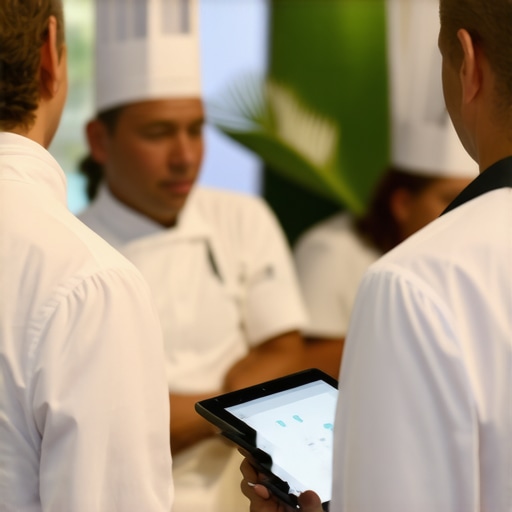
The Hidden Lessons That Turned My Events Around
- One of my toughest lessons was realizing that not asking the right questions early on could lead to last-minute surprises. Over-communicating with vendors and venue staff became a game-changer, preventing mishaps and ensuring smooth execution from start to finish.
- Trusting industry experts and continually updating my knowledge helped me avoid common pitfalls, especially when choosing servers and catering strategies that truly elevate guest experience, rather than just cutting costs.
- Dissecting failures in past events revealed overlooked details—like lighting choices or server training—that make all the difference in delivering memorable celebrations that guests rave about long after the event.
- Adopting tech tools such as real-time inventory trackers and communication apps transformed chaos into coordination, saving precious time and reducing stress during those critical moments.
My Arsenal for Unforgettable Events
- BlueCart — I rely on its inventory management to keep everything in check, minimizing waste and ensuring seamless service.
- Square for Restaurants — Its analytics allow me to understand guest flow and optimize staffing, crucial for large events without breaking the bank.
- Walkie-talkies — Clear communication during service is non-negotiable. Investing in reliable devices keeps everyone synchronized and guest-focused.
- Trello — Visualizing workflows and role assignments ensures my team functions like a well-oiled machine, even when timelines get tight.
Your Next Step to Elevate Every Event
Remember, every detail counted in catering, servers, weddings, and corporate events contributes to a memorable experience. Don’t hesitate to experiment with new strategies or tools—your guests will thank you. Embrace these lessons, trust your instincts, and watch your events transform into extraordinary moments that guests will cherish forever. What’s one area in your event planning you’re eager to improve? Share below and let’s grow together!