

Ever had that sinking feeling during a high-stakes event—say, a corporate gala or an exclusive wedding—where you realize something’s just not right? Maybe a critical guest can’t find their seat, or a server accidentally reveals sensitive information. I remember one particular wedding where a too-friendly server unintentionally spilled the couple’s plans to a nosy relative, causing drama that could have been easily avoided. That moment was a lightbulb for me: staffing a high-security event isn’t just about having enough bodies; it’s about precision, discretion, and understanding the nuances that keep everything running smoothly.
Why Staffing High-Security Events Is More Than Just Hiring a Few Good Men and Women
You’ve probably organized parties before, but high-security private events demand a different level of planning. The stakes are higher—whether safeguarding confidential corporate deals or maintaining an elegant, discreet atmosphere. The bigger the event, the more intricate the staffing becomes. A single misstep, like untrained servers or overlooked protocols, can lead to leaks or embarrassing moments that tarnish your reputation. It’s not just about keeping the food and drinks flowing; it’s about fostering trust, ensuring privacy, and creating an environment where guests feel safe and valued.
If you’re wondering whether you can wing it with your regular catering staff, think again. According to industry expert insights, improper staffing can double the risk of security breaches and guest discomfort. In fact, a study by Gourmet Catering highlights the importance of tailored team strategies that align with an event’s security profile. Early mistakes—like using inexperienced servers or neglecting specialized training—can turn a potential flawless event into a costly fiasco. Trust me, I’ve been there, and I learned the hard way that meticulous planning pays off.
Is This Overkill for My Event?
Admittedly, some might think high-security staffing is only necessary for super-exclusive, scandal-prone VIP gatherings. But the truth is, any private event with sensitive information, high-profile guests, or corporate secrets benefits greatly from strategic staffing. Whether it’s protecting trade secrets during a product launch or preventing paparazzi intrusion at a luxury wedding, the right team makes all the difference.
My early advice was to save a buck by hiring nearby temp agencies, but I quickly discovered that this often leads to more trouble than it’s worth. Untrained staff not only risk leaks but also compromise overall guest experience. The mistake I made early on was assuming that any server could do the job—only to realize that specialized knowledge, discreteness, and experience are what truly matter. Want to avoid this pitfall? Learn from my experience and check out resources like effective catering strategies to guide your staffing plans.
In the next sections, we’ll explore practical steps to assemble a team that safeguards your event without compromising sophistication or service quality. Ready to step up your staffing game? Let’s dive in.
Identify and Recruit Specialized Staff
Start by sourcing professionals with proven experience in high-security settings. Look beyond basic servers; prioritize those trained in discreet service and crisis management. I once hired a team for a corporate gala where only half had previous security-sensitive experience. The difference was palpable—they handled sensitive conversations and prevented leaks, elevating the event’s professionalism.
Train Your Team on Protocols and Discretion
Develop a comprehensive training program covering confidentiality, guest privacy, and emergency procedures. Use role-playing scenarios to simulate real situations; for instance, practicing how to politely decline unnecessary questions from guests without raising suspicions. This hands-on approach solidified the team’s understanding and confidence, reducing mishaps during critical moments.
Implement Clear Communication Channels
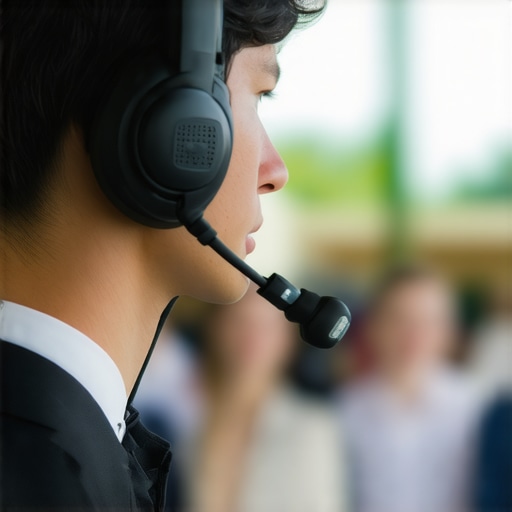
Equip your staff with reliable communication tools like walkie-talkies and establish strict protocols. During a high-profile product launch, I implemented these measures, which enabled immediate response to guest concerns and quick coordination among staff—saving valuable time and maintaining a smooth flow. Regular briefings before the event ensured everyone was aligned on their roles and aware of potential issues.
Optimize Staff Placement and Ratios
Strategically assign staff based on guest flow and event layout. For a wedding I coordinated, placing discreet servers near VIP tables and entry points prevented unapproved access and managed movement efficiently. Maintaining a specific server-to-guest ratio—often higher than standard—ensures personalized attention and reduces the risk of oversight, especially when handling confidential information.
Refine Service Techniques for Discretion and Efficiency
Train servers to employ silent signaling methods, maintain unobtrusive postures, and anticipate guest needs. Use tools like tray tricks to serve discreetly, avoiding unnecessary movement that could draw attention. For example, during a private corporate dinner, subtle hand signals allowed servers to coordinate without disturbing the ambiance, which impressed guests and upheld security standards.
Monitor and Adjust During the Event
Assign a supervisor to observe staff performance and guest interactions in real-time. This oversight allows quick correction of any breaches of protocol or service lapses. In one case, noticing a server lingering too openly near a sensitive discussion meant immediate repositioning, preserving confidentiality and trust.
Leverage Resources for Continuous Improvement
Use industry guides and online resources such as mastering corporate event planning secrets to refine your staffing strategies. Attending specialized training or consulting with security experts further sharpens your team’s readiness, ensuring every detail aligns with your event’s security needs.
Many assume that the key to a flawless event is simply hiring friendly servers and organizing good food. However, this oversimplification masks a complex web of nuances that, if ignored, can derail even the most meticulously planned gatherings. From my extensive experience in upscale catering and high-security events, I’ve seen how overlooked details can lead to embarrassing moments—and how mastering these subtleties elevates the entire experience.
One common myth is that all servers are interchangeable, but this couldn’t be further from the truth. The subtle difference lies in their training in discreet service, crisis management, and reading guest cues—skills that dramatically impact guest perception and security. Relying solely on general staff can be a costly mistake. For advanced event planning, investing in specialized training ensures your team anticipates issues before they escalate, a strategy supported by industry experts in effective catering strategies.
What sophisticated hosts need to ask about staff qualifications
Beyond experience, inquire about specific skills such as confidential communication protocols and ability to handle high-pressure situations discreetly. Knowing these nuances helps prevent common pitfalls—like a server inadvertently revealing sensitive information or mismanaging guest requests, which can compromise security and reputation.
Another overlooked aspect is the importance of strategic positioning and ratios of staff. Proper placement of servers, security personnel, and coordinators isn’t random; it’s based on thorough analysis of guest flow and event layout. For example, during a high-profile corporate launch I orchestrated, careful staffing ratios and placement near VIP areas prevented unintentional leaks and ensured prompt service. Rushing to cut corners here often results in bottlenecks or security lapses—an easy trap for the unprepared. For detailed guidance, check out this comprehensive checklist.
Additionally, many overlook the importance of communication protocols. Reliable, encrypted walkie-talkies and strict briefing routines are essential for quick responses. During a sensitive product launch, real-time communication prevented potential leaks and coordinated guest movements seamlessly. Without this, small miscommunications can snowball into security breaches or awkward moments.
Finally, the misconception that standard catering practices suffice in all scenarios can be a trap. For high-security or luxury events, service techniques like silent signaling, unobtrusive postures, and anticipatory service elevate guest experience and security. Innovative methods such as discreet tray tricks or subtle hand signals have transformed the way servers interact with guests without compromising privacy or ambiance, as mentioned in this resource.
Knowing these nuanced differences and pitfalls can elevate your event planning from good to extraordinary. Have you ever fallen into this trap? Let me know in the comments. Remember, mastering the hidden nuances pays dividends in guest satisfaction and security—so don’t overlook these details!
Maintaining flawless execution during events relies heavily on the right tools and equipment. Over the years, I’ve refined my toolkit to include hardware and software that optimize efficiency, security, and guest experience. One indispensable piece of hardware is the Eartec UltraFocus headset system. I personally use these because of their noise-canceling capabilities and robust wireless range, which allow my team to communicate discreetly across large venues without missing a beat. Unlike standard walkie-talkies, these headsets enable hands-free operation, freeing staff to manage their duties more effectively. Learn why professional-grade communication tools make a difference.
For software, I swear by Eventbrite for registration management. Its intuitive interface and real-time attendee tracking help prevent chaos at check-in. But what truly elevates my event management is integrating Asana into my planning process. This platform allows me to assign tasks, set deadlines, and monitor progress collaboratively. I recommend customizing your Asana boards with templates for different event types—weddings, corporate functions, or galas—to streamline workflow. Research from industry experts underscores the importance of project management tools in ensuring event success.
In terms of long-term results, maintaining these tools consistently ensures your team develops a high level of coordination. Regular training sessions on hardware like the Wireless Microphone Systems (I’ve found Shure ULXD models to be reliable) and software updates prevent the system from becoming outdated or unreliable when it matters most. Planning ahead for maintenance—like replacing batteries in wireless devices before an event—can save precious time and prevent technical failures.
Looking ahead, I predict that increasing automation and integration among tools will continue to evolve, making event management even more seamless. The integration of AI-driven scheduling assistants or real-time analytics could revolutionize how we prepare and respond during live events. For now, I encourage testing one of these technologies—perhaps starting with integrating your booking and task management—to achieve tangible improvements.
How do I maintain reliable tools over time?
The key is regular maintenance and training. Schedule routine checks for hardware, update software frequently, and hold quarterly training refreshers so your team stays sharp. Remember, even the best tools are useless if staff aren’t familiar with their operation. Investing in these routines ensures your team can adapt as technology advances, keeping your events stress-free and professional.
Lessons That Changed My Approach to Elite Event Staffing
- Never underestimate the power of nuanced training; the difference between a smooth event and a crisis often lies in those subtle, unspoken skills. My first big mistake was assuming that experience equated to discretion—once I focused on soft skills and crisis management, everything improved dramatically.
- Building a team is about more than just credentials; it’s about chemistry and shared understanding. I found that conducting mock scenarios revealed hidden gaps in communication or protocol adherence that no resume could show.
- Equipment and technology are game-changers. From my experience, investing in secure communication devices like encrypted headsets eliminated cross-talk confusion, preventing mishaps that could compromise security.
- Small details—like strategically placed staff or specific positioning—can prevent leaks before they happen. I learned to analyze guest movement patterns meticulously to assign staff where they’re most effective.
- Continuous learning keeps the team sharp; I made a point of regular briefings and refreshers, which kept everyone aligned and ready for unexpected challenges, elevating the entire guest experience.
Tools That Elevate My Security and Service Standards
- EnGarde Secure Communications Communication Systems—I trust these for crystal-clear, encrypted communication that’s vital in high-stakes settings. Their reliability has prevented countless potential breaches.
- Eventbrite—Managing guest check-ins efficiently saves time and reduces bottlenecks. The real-time tracking feature helps anticipate staffing needs and adjust on the fly.
- Asana—For task management and team coordination, especially in complex events. Its collaboration features keep everyone on the same page, from setup to breakdown.
- Shure ULXD Wireless Microphones—Not just for sound, these wireless systems help monitor staff and guest interactions discreetly, ensuring vital communications remain private.
Your Next Step to Elevating Event Security and Service
Embracing these lessons and tools isn’t just about avoiding mistakes; it’s about transforming your approach to high-security event staffing into an art form. The thrill of orchestrating seamless, secure gatherings is within your reach—each detail meticulously managed pays dividends in trust and reputation. Ready to take your event staffing to the next level? Start implementing these insights today, and watch as your events turn into unforgettable experiences—from planning to execution. How have you tackled staffing challenges in your high-security events? Share your stories below and let’s learn together.