

I remember stepping into a bustling networking event last year, feeling like I was walking into a sea of small talk and surface-level chats. The room was filled with familiar faces and a few new ones, but somehow, the conversations felt forced, like everyone was just waiting for their turn to speak. That feeling of disconnect hit me hard—until I realized the secret: it was all about the way the food was served. When I switched to offering small plates instead of large platters, something changed. Guests started chatting more genuinely, sharing stories over bites, and confiding in each other like old friends.
Small Plates, Big Impact on Conversation
In my experience, the way we serve food at mixers and events isn’t just about presentation or elegance—it profoundly influences how people connect. Small plates create an informal, relaxed atmosphere that encourages mingling and meaningful dialogue. Unlike large dishes passed around in big clusters, small plates allow guests to move freely, approach different groups, or even break off for one-on-one conversations without the awkwardness of standing in a long line or grabbing a huge serving.
This approach also diffuses the social pressure that often accompanies buffets or plated dinners. People feel less hesitant to strike up a chat when they’re holding a small, manageable plate. Plus, individuals tend to be more open and engaged when their hands aren’t full of heavyware or overwhelmed by options.
From personal observation and professional experience, I’ve seen small plates stimulate more genuine conversations. For instance, at a recent wedding catering event, shifting focus to an array of artfully presented small bites led to guests exchanging favorite flavors and story sharing—long before the formal speeches began.
But what’s the science behind this? Studies show that food presentation influences social behavior, with communal styles promoting interaction (source: [Gourmet Catering Co.](https://gourmetcateringsco.com/eating-together)), supporting the idea that sharing smaller dishes fosters stronger connections.
Are you someone who’s ever been in charge of planning an event and wondered how to get people talking? If so, keep reading. I’ll share practical tips and insights that helped me transform dull gatherings into lively, engaging experiences—simply by rethinking how we serve food.
Before we dive into the strategies, let’s address a common concern. Are small plates really enough to satisfy diverse appetites and keep guests happy? Spoiler alert: They absolutely can, especially when combined with well-curated menus and thoughtful presentation. Ready to learn more? Let’s explore how this simple concept can revolutionize your next event.
Design a Curated Small Plates Menu
Start by selecting a variety of bite-sized, flavorful options that cater to diverse tastes. Combine familiar favorites with innovative bites to keep guests intrigued. For a wedding, incorporate seasonal and locally-sourced ingredients to elevate presentation and taste. When planning, consider the total number of guests and portion sizes to ensure ample variety without waste.
Coordinate with Professional Servers
Engage experienced servers adept at handling small plates service—swift, attentive, and discreet. They should be trained to replenish trays efficiently and engage courteously with guests. I once worked with a team that struggled initially, leading to delays, but after brief training using standardized protocols, service became seamless and guests appreciated the personal attention.
Arrange Stations for Flow and Interaction
Position small plate stations strategically to promote movement and prevent bottlenecks. Use a ‘progressive’ station setup—grouping items by type or flavor profile—so guests naturally flow from one station to the next. This encourages mingling and keeps wait times minimal. During a recent corporate event, I placed stations near seating areas, which increased interaction and kept the atmosphere lively.
Train Staff to Encourage Engagement
Ensure servers are proactive in offering food, describing dishes, and suggesting wine pairings if applicable. Their role is crucial in creating a hospitable environment. I once trained a team to read guest cues effectively, which increased upselling opportunities and enhanced the overall experience. To ensure consistency, consider short role-playing sessions emphasizing friendly, informative interactions.
Monitor and Adjust During the Event
Assign a supervisor to oversee food levels and guest flow, ready to replenish or reposition stations as needed. Pay attention to crowd density; if certain areas get crowded, redirect stations or adjust staff distribution. Personally, I learned this on the fly during a wedding; by repositioning a station closer to a popular lounge area, we smoothed out congestion and boosted guest satisfaction.
Leverage Visual Aids for Clarity
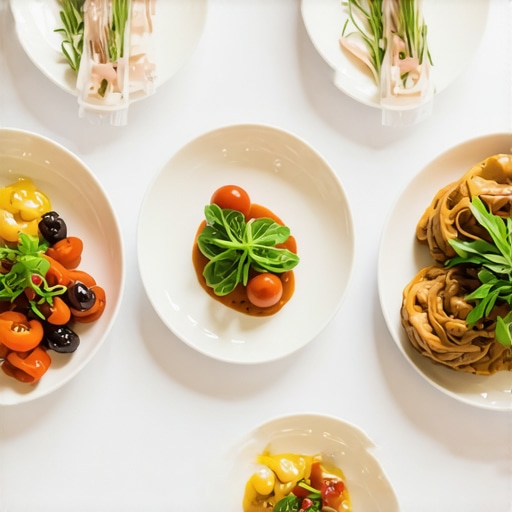
Use stylish signage or digital displays to highlight various small bites, encouraging guests to try new options and fostering conversation about flavors. Clear visuals can stimulate curiosity and break the ice among guests who may not know each other.
While many assume that flawless execution in events hinges solely on logistics and aesthetics, the real challenges often lie beneath the surface. One common misconception is that sticking to traditional service styles guarantees guest satisfaction; however, this overlooks the profound impact of nuanced details like server training and event flow. Overlooking these intricacies can lead to subtle yet noticeable issues, such as unintended bottlenecks or miscommunication, which tarnish the overall experience.
Are Your Servers Truly Reading the Room Effectively
In high-end events, servers serve as the silent diplomats, interpreting guest cues without explicit instructions. Proper training on reading body language and subtle signals ensures they can adapt seamlessly, enhancing guest engagement and satisfaction. According to hospitality expert Daniel Craig, “Masterful servers don’t just deliver food—they cultivate an atmosphere of ease and connection” (source: Gourmet Catering Co.). Neglecting this advanced aspect often results in servers who are well-meaning but oblivious to undercurrents, leading to missed opportunities for enhancing guest experience. Moreover, many organizers fall into the trap of over-planning the visual elements—like floral arrangements or table linens—without addressing server-server and server-guest interactions. This oversight compromises the event’s fluidity and can create awkward situations, such as delayed service or overlooked guests. An often-underestimated nuance is the importance of pre-event briefings that include scenario training for servers, preparing them not just on menu specifics but on cultural sensitivities and guest dynamics.
Additionally, many assume that minimal staff paired with high guest counts lead to better efficiency. In reality, insufficient staffing or poorly coordinated roles can cause bottlenecks, especially during peak service moments. Professional caterers emphasize the value of strategically structured service teams and real-time management tools to keep everything running smoothly. For example, during a corporate retreat, a slight misalignment in staff roles caused delays, but reassigning roles based on real-time needs kept the event on track. This is where leveraging expert insights from seasoned planners and servers makes a difference.
So, what’s the biggest mistake many overlook when planning their event flow or selecting a service style? It’s the failure to anticipate the subtle cues—whether from guests or staff—that influence the atmosphere. Investing in targeted server training that emphasizes reading and responding to guest needs, alongside flexible logistics planning, can turn an ordinary gathering into an unforgettable experience. For those interested in elevating their catering strategy, exploring corporate event planning secrets can provide invaluable insights. Don’t forget, even the most luxurious decor or exquisite menu won’t shine if your servers aren’t empowered to act intuitively. Have you ever fallen into this trap? Let me know in the comments.Managing a successful event, whether it’s a corporate gathering or a wedding reception, hinges on employing the right tools and maintaining robust processes over time. From dependable equipment to innovative software solutions, the foundation of
The Unexpected Lessons from My Catering Journey
Over years of planning and executing countless events, I discovered that the smallest adjustments—like shifting to small plate service—can have a profound impact on guest interaction and satisfaction. One of my hardest lessons was realizing that reliance solely on traditional service styles often masks the opportunity to create memorable experiences. Embracing innovation, even in subtle ways, bridges the gap between good and unforgettable. I’ve also learned that no matter how flawless your menu looks on paper, the true magic happens when servers are empowered to read the room and respond instinctively—something that training and experience nurture over time. Lastly, I recognized that the real art of catering doesn’t just lie in the presentation, but in fostering genuine connection through thoughtful logistics and attentive staff.