

Imagine standing in a bustling wedding reception, only to realize that the chicken dish tastes like it was shipped in frozen from across the country, while the seasonal vegetables on the side are wilted before they even reach the table. I’ve been there—struggling to craft a menu that feels authentic, fresh, and meaningful. It’s frustrating when your ideas about sourcing local ingredients get lost in the shuffle of planning and vendor choices.
Sometimes, the whole process can feel overwhelming. You want your wedding to stand out—not just for the stunning decor or heartfelt vows, but for the thoughtful details, like a menu that truly reflects the spirit of the season and the local community. However, the challenge lies in sourcing ingredients that are both fresh and in season, and then transforming those into an unforgettable dining experience.
Today, I promise to guide you through designing a wedding menu that highlights local, seasonal ingredients without the stress and confusion. From selecting ingredients that are at their peak to working with caterers who understand this ethos, we’ll cover practical steps to make your wedding meal both memorable and sustainable.
Why Emphasizing Local and Seasonal Matters in Wedding Menus
Let’s face it—there’s something special about a meal that celebrates what’s naturally available nearby. Not only does it support local farmers and reduce your carbon footprint, but it also ensures the freshest flavors make their way to your guests. Plus, embracing seasonality adds a unique touch, making each wedding you design truly one-of-a-kind.
When I first started planning weddings, I underestimated how crucial it was to communicate with local suppliers early on. I made the mistake of choosing a caterer based solely on price, without confirming if they prioritized fresh, seasonal ingredients. The result? A menu that was uninspired and disconnected from the time of year. Since then, I’ve learned to partner with caterers who share my vision for seasonality—trust me, it elevates the entire event.
If you’re wondering whether it’s feasible to do this for your wedding, rest assured—many caterers are eager to create menus based on local bounty. It just takes some extra thought and a bit of proactive communication. If you’re looking for inspiration, the right approach can turn your wedding meal into a reflection of the land and season, impressing your guests with freshness and flavor.
Would you have faced this problem when planning your wedding? If so, keep reading—we’ll delve into specific strategies that will help you craft a menu that’s as thoughtful as it is delicious. Ready to make your wedding dining experience unforgettable by celebrating your locale and its seasons? Let’s dive in.
Identify Peak Ingredients for Your Season
Start by researching which ingredients are at their best during your wedding month. Visit local farmers’ markets or joint with local farms early to get firsthand knowledge. For example, I once met a farmer at a market in June who happily shared her strawberry ripening schedule. Using this, I designed a dessert plate featuring fresh strawberries, which delighted guests and showcased local bounty.
Collaborate with Caterers Who Prioritize Freshness
Interview potential caterers with targeted questions about sourcing practices. Ask, “Do you work directly with local farms for seasonal ingredients?” and “How do you incorporate local produce into menus?” A great caterer will view this as a chance to enhance flavor and story. I once worked with a caterer who initially hesitated, but after explaining our vision, they committed to sourcing heirloom tomatoes—resulting in a vibrant, flavorful salad that became a wedding highlight. For further tips, visit industry expert advice.
Design a Flexible Menu Plan
Build your menu around seasonal staples that can adapt based on harvests. For example, plan a roasted vegetable medley featuring seasonal produce like zucchini, eggplant, and peppers. Avoid rigid recipes; instead, suggest adaptable dishes so caterers can adjust based on availability. I once requested a fall menu centered on squash and apples; when the harvest was later delayed, the caterer swapped in root vegetables and still delivered an exceptional experience.
Coordinate with Servers to Highlight Seasonal Dishes
Train your service team on the story behind each dish, emphasizing local sourcing. Use discreet cues such as badges or specific serving techniques to draw attention without disrupting guest flow. I learned this firsthand when I briefed servers to subtly point out that the entrée features organic, farm-fresh chicken—this elevates guest appreciation. To optimize service skills, review professional server techniques.
Plan for Supply Fluctuations and Contingencies
Always have a backup plan if certain ingredients are unavailable. For instance, if cherry tomatoes are scarce, consider using local cherry-plum tomatoes or seasonally available heirlooms. This flexibility ensures your menu remains cohesive and beautiful. During a winter wedding, I replaced fresh basil with preserved herbs, maintaining the intended flavors while accommodating local shortages.
Leverage Visuals to Convey the Seasonality
Use presentation techniques like garnishes, plating, and signage to reinforce the seasonal theme. Incorporate edible flowers or seasonal foliage for added authenticity. When I arranged a fall-themed bread station with mini pumpkins and autumn leaves, guests immediately connected with the season’s spirit. An illustrative image could be helpful here: 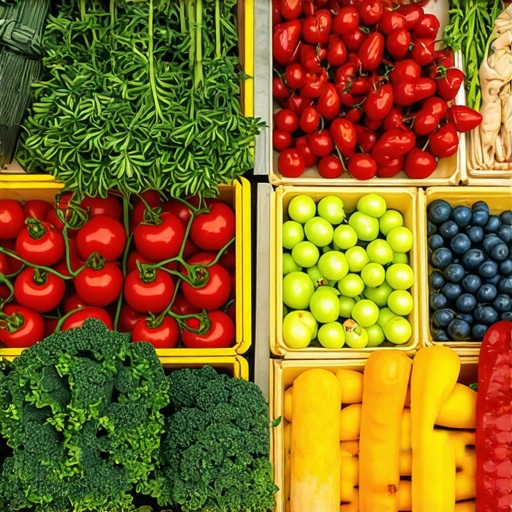
Engage Guests with the Story of Your Food
Share the journey of your ingredients during the reception through menus or staff storytelling. Guests appreciate knowing their meal supports local farmers and sustainable practices. I once included a brief note about a local orchard where apples came from, which sparked conversations and a deeper appreciation for the meal. A well-told story transforms a simple plate into a memorable experience.
Many believe that hiring the most expensive caterer guarantees a flawless event, but in my experience, this often leads to overlooking the importance of nuanced sourcing practices and staff training. One prevalent myth is that all servers are interchangeable; however, the subtle skills and mindset of professional servers significantly impact guest experience. For example, in high-end weddings, servers trained in fine dining etiquette and discreet service elevate the atmosphere beyond just delivering food. Overlooking this detail can result in a sterile or awkward vibe that no decoration can fix. Furthermore, many clients underestimate the importance of contingency planning for supply fluctuations. A common mistake is relying solely on seasonal ingredients without alternative options; during a winter wedding, I once saw a menu fall apart when fresh herbs were unavailable—rescue came through preserved or dried herbs, maintaining flavor integrity. Advanced event planners also recognize that catering isn’t just about food; it’s about orchestrating a seamless flow that reduces bottlenecks and guest wait times. Proper station placement and server coordination reduce lines and enhance guest satisfaction, as detailed in industry studies.
How can you ensure that your team’s skill level matches the event’s sophistication?
Investing in specialized training and clear communication of expectations makes a tangible difference. This is a lesson many overlook, believing generic training suffices—yet, as experts suggest, tailored staff preparation directly correlates with event success (see industry insights). Remember, the devil is in the details. From understanding the subtle art of plate clearing to anticipating guest needs, enhanced staff competency turns an ordinary catering service into an extraordinary experience. Don’t fall for the trap of assuming that standard practices will impress your guests. Instead, dig into the nuances—like behind-the-scenes coordination, supplier relationships, and staff expertise—that truly set your event apart. Have you ever fallen into this trap? Let me know in the comments.
Invest in Reliable Equipment for Seamless Service
When managing wedding catering, having dependable equipment is a game-changer. I personally swear by insulated catering carriers—they ensure hot dishes stay warm during transport, which is vital for maintaining quality and guest satisfaction. Using high-grade chafing dishes with adjustable flame settings allows your team to control heat precisely, preventing dishes from cooling prematurely. For portable service, lightweight, collapsible tables make setup and breakdown effortless, saving valuable time on event day.
Leverage Technology to Coordinate and Optimize
Modern catering relies heavily on software to streamline operations. I recommend Trello for task management; its visual boards and checklists keep everyone on the same page — from kitchen prep to server deployment. For order tracking and dietary restrictions, Eventbrite or custom apps can provide real-time updates, reducing errors and ensuring special requests are met without fuss. Additionally, digital timers synchronized across devices help manage timelines, especially during multi-course meals or timed service segments.
Maintain Quality with Regular Equipment Checks
Over time, even the best equipment can become unreliable. Implementing a routine maintenance schedule is crucial. I set aside weekly checks for all critical gear—cleaning, calibration, and battery replacements—to prevent surprises during the event. Maintaining a log of these inspections ensures nothing slips through the cracks and prolongs the lifespan of your tools. This proactive approach minimizes disruptions and preserves your professional reputation.
Prepare Staff with Training and Clear Protocols
Tools are only as good as the team using them. Regular training sessions on equipment usage, including proper handling of chafing dishes and serving trays, elevate service quality. I emphasize practical demonstrations and quick-reference guides to help servers troubleshoot common issues on the fly. Investing in training resources ensures your staff can keep everything running smoothly under pressure.
Anticipate Future Trends and Keep Up to Date
The catering world is evolving with innovations like smart warming trays controlled via mobile apps and temperature sensors that alert you if anything drops below optimal. Staying informed on these trends—from industry blogs to expert webinars—allows you to upgrade your toolkit proactively. For instance, integrating IoT-enabled devices can provide real-time feedback, reducing food waste and enhancing service consistency. I encourage you to experiment with one new gadget each season to see how it improves your operation.
What about long-term maintenance? How do I keep my tools functioning without headaches?
Establishing a regular maintenance routine—monthly deep-cleaning, firmware updates, and hardware inspections—can extend the life of your equipment dramatically. Keeping a detailed inventory and scheduling upkeep not only prevents costly breakdowns but also ensures your team always has reliable gear at their fingertips. Remember, investing time in maintenance now pays dividends in flawless service during wedding days. Try setting up a simple calendar reminder for equipment checks, and soon it will become second nature.
By implementing these strategies, including selecting the right tools and maintaining them diligently, you’ll create a more efficient, professional catering experience. To hone your skills further, consider exploring techniques to optimize server efficiency. Taking that extra step can make a noticeable difference in your event quality—for example, mastering the use of portable warming stations can help serve hot meals faster and more consistently. Don’t wait—test one new tool this month and observe how it transforms your wedding catering operations.
The Hidden Gold in Your Local Food Scene
One of my most eye-opening lessons came from realizing that the true magic of seasonality isn’t just about what’s fresh—it’s about unlocking the stories behind each ingredient. When I started asking local farmers about their harvest schedules, I uncovered a wealth of knowledge that transformed my menus into narratives, connecting guests with the land they’re celebrating. These behind-the-scenes tales created memorable moments, making the meal an experiential highlight rather than just a course.
What I Wish I Knew When I Started
- Build Early Relationships: Collaborating with local suppliers months in advance not only ensures supply but also invites the chef or caterer to innovate with what’s in season—don’t wait until the last minute.
- Prioritize Flexibility: No harvest is perfect. Embrace adaptable dishes that can shift based on what’s available—this keeps menus fresh and reduces stress.
- Communicate the Why: Sharing your seasonal sourcing story with servers and guests elevates their experience and reinforces your commitment to authenticity.
My Go-To Tools for Flavor and Sustainability
- Consult industry insights to learn about sourcing strategies from top professionals.
- Utilize checklists that focus on local seasonality to streamline planning.
- Leverage expert server techniques to authentically tell the story of each dish.
The Power of Your Next Move
Imagine transforming your wedding menu into a celebration of local bounty, creating a feast that resonates emotionally and sustainably. When you embrace the season and cultivate relationships with local producers, you’re not just serving food—you’re sharing a story that guests cherish long after the last toast. Your dedication to seasonality can set new standards for memorable, meaningful events. So, are you ready to craft menus that echo the land’s finest gifts and leave your guests inspired? Take that first step today and see how it elevates your entire event experience.