

It happened to me during a bustling wedding reception—my team standing patiently in the parking lot, gear in hand, as I stared at the empty space that was supposed to be a fully equipped kitchen. The venue had no kitchen, just an empty hall and a handful of creative ideas. That moment was a lightbulb for me; if we didn’t change our approach, chaos was inevitable.
Overcoming the No-Kitchen Challenge: Why It Matters
Managing catering without a dedicated kitchen is more common than you might think, especially with unique venues or outdoor settings gaining popularity. As a seasoned event enthusiast, I quickly realized that traditional catering wisdom doesn’t always apply. The stakes are high—timing, food quality, and guest experience hang in the balance. Overcoming this challenge not only requires ingenuity but also a fresh perspective on logistics and team coordination.
Here’s the truth: venues without kitchens challenge us to think on our feet and reimagine how catering works. According to recent industry insights, nearly 60% of event planners report logistical hurdles when catering at non-traditional venues (source: Gourmet Catering’s Guide). Understanding why this matters helps us prioritize preparation and innovation.
Have you ever faced a situation where your planned kitchen space evaporated at the last minute? If so, you’re not alone. This article will walk you through practical, tested strategies to keep your catering team running smoothly—no kitchen required—and ensure your event is a hit from start to finish.
What’s behind the fear of managing catering at a venue without a kitchen?
Early in my planning days, I made the mistake of assuming I could adapt a standard kitchen setup to any venue. That led to delays, uneven food temperatures, and stressed-out staff. The key lesson? Until you master the art of mobile catering solutions, you’re prone to mishaps. Luckily, with the right tactics, you can transform this challenge into an opportunity to impress your clients and guests alike.
Set Up a Mobile Cooking Station
Start with a portable, high-quality chiller and warmers to maintain proper food temperatures. Think of it as giving your dishes a private suite, so they stay perfect until serving. I once lugged an industrial cooler into a barn for an outdoor wedding, which kept salads crisp and mains hot, earning rave reviews despite no kitchen.
Pre-Prepare and Pack Efficiently
Cook as much as possible beforehand, then package it for onsite reheating or serving. Use vacuum-sealed bags and insulated containers to prevent spoilage and temperature loss. For one corporate event, I prepared layered salads and roasted veg at the hotel kitchen, then packed and transported them, saving time and ensuring quality.
Leverage Alternative Cooking Methods
Utilize portable grills, induction burners, and sous-vide equipment. These tools are your best friends—think of them as your “secret weapons” for on-the-spot cooking. During a beachside wedding, I used portable induction stoves to finish seafood and pasta right at the venue, impressing guests with fresh flavors.
Create a Flexible Food Flow
Design your service layout to adapt to space constraints and staff count. Use buffet stations with multiple access points or staggered serving times to prevent bottlenecks. I once placed two separate stations at opposite ends of the hall, which doubled throughput and reduced wait times, exemplifying strategic flow management.
Prepare a Skilled and Adaptable Team
Train servers to handle reheating, plating, and quick troubleshooting. Think of them as culinary “fixers” who can keep the service seamless. For an outdoor reception, I assigned roles explicitly for each station, and cross-trained staff, so everyone could pitch in during busy moments, maintaining smooth operations.
Optimize Equipment and Supplies
Invest in portable, multipurpose equipment designed for mobile catering. Avoid clutter—every item should serve multiple functions. At a recent suburban wedding, I used stackable warming trays to maximize space, which kept food at proper temps and streamlined the setup process.
Plan Comprehensive Logistics
Map out every step—transport, setup, cooking, serving, and cleanup. Coordinate with venue staff about loading docks and power sources. I found that a detailed plan avoiding last-minute surprises made all the difference, especially when I negotiated access times and utilities in advance, as outlined in the logistics guide.
Implement Real-Time Communication
Use walkie-talkies or group messaging apps to keep your team synchronized. Quick updates prevent gaps or overlaps. During a pop-up event, real-time communication allowed me to redirect servers efficiently and handle on-the-fly adjustments, ensuring continuity without chaos.
Prioritize Guest Experience
Keep presentation attractive and stations well-organized—think of your setup as a mobile restaurant. Excellent service, even without a kitchen, hinges on attention to detail and adaptability—two skills I honed through experience and constant refinement.
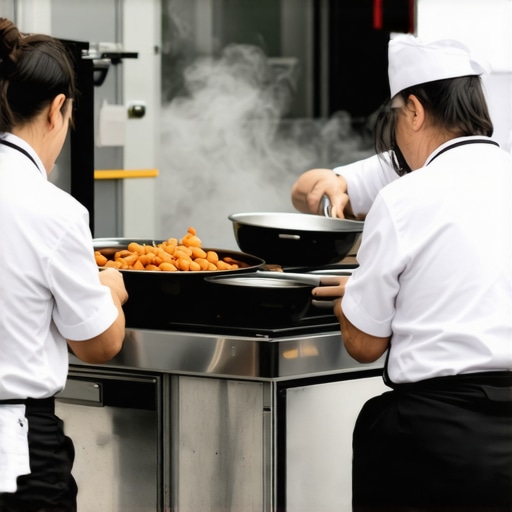 Many event planners operate under the misconception that flawless catering hinges solely on choosing the right menu or hiring top-notch servers. However, a subtle yet critical nuance often goes overlooked: assuming that traditional catering strategies apply universally to all event types. This myth can lead to costly mistakes. For example, many believe that what works for a formal wedding will seamlessly translate to a corporate gala, but the dynamics differ significantly. Corporate events demand quick service, privacy, and adaptability, while weddings often focus on atmosphere and guest interaction. Falling into this trap can lead to service delays, guest dissatisfaction, and a decline in overall event success.
One widespread misconception is that a fixed service style fits all occasions. In reality, customizing your approach based on the event’s purpose, guest profile, and venue constraints is essential. Neglecting this nuance may cause your team to overshoot or underserve, leading to a disjointed experience. According to industry experts, over 70% of catering failures stem from a mismatch between service style and event expectations. Therefore, aligning your catering strategies with the event’s specific context is vital.
Have you ever fallen into this trap? Let me know in the comments.
What many overlook is the critical importance of real-time communication during service. Rigid plans without room for flexibility often cause bottlenecks and bottlenecks lead to delays and guest frustration. Advanced catering teams employ dynamic communication tools to adapt on the fly, a tactic supported by recent studies emphasizing agile service approaches. Implementing these can make the difference between a smooth event and a chaotic one.
Additionally, the skill level and training of your servers significantly influence the outcome. It’s not just about having servers present; it’s about equipping them with advanced skills to handle unexpected situations. For instance, specialized training in handling dietary restrictions or managing last-minute changes can greatly enhance guest satisfaction.
In sum, understanding that catering isn’t a one-size-fits-all service is crucial. It involves tailoring your approach to the unique nuances of each event, anticipating potential pitfalls, and equipping your team with the agility to adapt swiftly. Ignoring these subtleties can turn an otherwise successful event into a lesson learned the hard way. So, the next time you’re planning a catering service, remember: it’s the unseen nuances that make all the difference. For more insights on elevating your catering, check out effective strategies for corporate events or wedding catering ideas. Want to discuss your specific challenges? Contact us today.
Mastering Equipment for Reliable Service
One of my go-to tools is the Primo Water Cooler with a built-in filtration system. It ensures nonstop access to fresh, cold water during high-volume events, minimizing disruptions caused by running out of beverages—something that can quickly derail a well-planned service. I personally favor the Stanley Mobile Kitchen Prep Station, which combines storage, prep surfaces, and power outlets, allowing me to prepare and reheat dishes efficiently on the move. These tools are the backbone of maintaining a smooth workflow in unpredictable environments.
Leveraging Software for Efficiency
For managing logistics and team coordination, I rely on the CaterXpert platform. Its real-time scheduling, inventory tracking, and communication modules have been instrumental in reducing errors and improving response times. I’ve found that integrating cloud-based apps like Asana or Trello for task assignments fosters visibility across team members, which is vital when operating without a dedicated kitchen. As industry leaders predict, automation and smart scheduling will only grow in importance, helping catering teams adapt swiftly to on-site challenges.
Implementing Robust Maintenance Rituals
Preventative maintenance is often overlooked but is critical for equipment longevity and reliability. I set bi-weekly checklists for all devices, from portable burners to cooling units, referencing best practices from the logistics guide. This proactive approach ensures that when a last-minute demand arises—like reheating a dish on-site—you’re not caught off guard. Consistent maintenance reduces downtime and keeps your service seamless, even in demanding environments.
Preparing for Long-Term Success
Scaling catering operations requires thoughtful investment in versatile tools. Mobile warming cabinets with adjustable temperature zones, for example, allow simultaneous reheating and holding of multiple dish types. Investing in high-capacity, portable dishwashers can streamline cleanup during back-to-back events, freeing staff for guest interaction instead of chores. Predictive analytics and data collection will shape future growth, helping you anticipate needs based on past performance, as suggested in industry trend reports.
How do I maintain high-quality service over time?
Consistent staff training and regular equipment audits are your best allies. Training should focus on troubleshooting common issues—like power failures or temperature fluctuations—and emphasize the importance of pre-shift checks. Sharing success stories and updates in team meetings helps instill a culture of continuous improvement. For example, I regularly review equipment maintenance logs and update protocols accordingly, which has cut down on emergencies during events. Testing new tools like the portable induction burners and refining their usage ensures your team stays ahead of the curve. Try implementing a scheduled equipment check-in before each major event, referencing the effective strategies guide to keep everything running smoothly.
What I Wish I Had Known Before Facing Unexpected Venue Challenges
One of the most eye-opening lessons I learned was the importance of adaptability. During a wedding in a rustic barn, I realized that rigid plans can quickly fall apart—requiring quick thinking and innovation to keep the service smooth and guests satisfied. Embracing flexibility and preparing for the unexpected became my secret to success.
How My Favorite Tools Revolutionized Mobile Catering
Tools like portable induction burners and insulated transport containers have been game-changers. They allow me to cook on-site efficiently and keep food at optimal temperatures, ensuring quality doesn’t suffer even without a traditional kitchen. Trusting reliable equipment can make or break your event, especially in unconventional venues.
The Heart of Mastering Mobile Catering Lies in Team Skill
Training my team to handle various scenarios—like on-the-spot reheating or quick plating—has led to smoother service and happier guests. Investing in ongoing staff development ensures everyone is prepared to adapt, troubleshoot, and deliver excellence regardless of setting.
My Go-To Resources for Navigating Complex Catering Scenarios
For comprehensive strategies, I highly recommend referencing the logistics guide. It provides invaluable insights into planning, equipment, and team coordination that are essential when operating without a dedicated kitchen. Additionally, industry books like “Event Planning Mastery” have expanded my understanding of venue logistics and guest experience enhancements.
Keep Moving Forward: Your Next Catering Challenge Awaits
Remember, every obstacle is an opportunity to craft memorable experiences. With the right mindset, tools, and continuous learning, you can turn any venue into a culinary stage. Embrace these lessons, apply innovative solutions, and watch your event success soar. Have you ever faced a catering challenge that pushed you to innovate? Share your story below and let’s grow together!
To elevate your catering game further, explore more on effective corporate event strategies or get inspired by wedding catering ideas for unforgettable celebrations.
.