

It was last Thursday night when I realized I’d been doing business networking all wrong. Every time I attended a mixer, I’d find myself stuck in clunky conversations, struggling to connect beyond the usual small talk. Then, I watched a colleague skillfully navigate a room filled with small plates and drinks, effortlessly switching topics and genuinely engaging with others. That lightbulb moment hit me: the way we serve food doesn’t just matter for the palate—it shapes how we connect.
Why Small Plates Can Transform Your Business Networking Experience
I’ve spent years organizing corporate events and noticed something intriguing: when attendees are handed tiny, manageable bites rather than overwhelming platters, conversations tend to flow more naturally. This isn’t just culinary fluff; it’s backed by social science. According to a study published by the American Sociological Association, shared small experiences foster closer bonds and encourage more open dialogue. Plus, small plates require less focus on eating, freeing guests to mingle and converse more freely.
Early in my career, I made the mistake of assuming that larger buffet tables saved costs and time. However, I soon found that this often led to long lines, which hampered spontaneous interactions. The breakthrough came when I switched to a menu of carefully curated small plates. Not only did it speed up service, but it also created natural pauses—perfect moments for guests to ask questions, exchange business cards, or simply relax into genuine conversation. This simple tweak significantly increased engagement and helped forge stronger connections among attendees.
Is Small-Plate Strategy Overhyped for Networking?
Initially, I was skeptical. Would tiny bites really make that much difference? To be honest, I worried it might seem pretentious or overly fancy, especially for more relaxed events. But my early experiments proved otherwise. Small plates aren’t about luxury; they’re about efficiency and encouraging interaction. If you’ve ever faced the frustration of crowded, noisy buffet lines, you’ll understand this firsthand. Transitioning to smaller portions creates a more intimate atmosphere, making conversations less intimidating and more inclusive.
Designing a Small Plate Strategy
Begin by mapping out your event’s timeline and flow. For example, at my last wedding, I arranged appetizer stations along the main walkway, encouraging guests to circulate. I ordered a variety of bite-sized options—think mini sliders, seasonal bruschetta, and artisanal cheeses—that paired well with drinks and conversation starters. This setup prevents bottlenecks and keeps the energy lively, making it easier for guests to engage.
Choose the Right Menu
Focus on a diverse selection that caters to common dietary restrictions. Balance flavors and textures—sweet, salty, crunchy, and soft—to stimulate conversation. For instance, I incorporated a spicy shrimp skewers and a vegetarian falafel platter, which sparked spontaneous chats about preferences and backgrounds. Avoid overcrowding the table; instead, space out stations to create natural pauses for mingling.
Coordination with Catering and Servers
Collaborate with your caterer early, sharing your menu and seating plan. Schedule tastings to refine choices, and emphasize the importance of timing; small plates should arrive seamlessly so guests remain engaged. At my event, I briefed servers to rotate stations systematically, ensuring no one felt overwhelmed. Choosing a menu that reduces preparation stress enabled smoother service and enhanced guest experience.
Train and Prepare Your Servers
Servers are your frontline in delivering a memorable networking environment. Conduct a briefing on the event flow, emphasizing discreet replenishment and plate clearing. During a wedding I managed, I provided a checklist, which included noticing when groups were chatting and timing plate clears to avoid interrupting conversations. Hiring dedicated servers ensures attentive service without intrusions, fostering a relaxed atmosphere.
Implement Feedback Loops
Pay attention to guest reactions—do the stations run smoothly? Are guests engaging? Adjust on-the-fly where possible. After a corporate event, I noticed a line forming at one station; I quickly added a second server and rotated the menu offerings to balance crowd flow. Keeping communication open with your team helps in troubleshooting and provides insights for future improvements.
Leverage Visual Cues and Signage
Clear signage can guide guests intuitively, reducing confusion and encouraging movement. For example, linked small plates with thematic labels and directional arrows, which made the process seamless and kept conversations flowing. Thoughtful signage reduces the need for hosts to answer repetitive questions, allowing them to focus on facilitating connections.
In my experience, structured yet flexible small plate setups turn a standard event into a vibrant networking hub. Careful planning, coordinated execution, and attentive service are key—these steps transform food service from mere sustenance to a catalyst for meaningful interactions.
Many assume that hiring professional servers is just about having someone who can carry trays and serve drinks smoothly, but in my experience, this oversimplification often leads to overlooked pitfalls. For example, the common myth is that all servers are equally prepared for high-end, complex events like luxury weddings or corporate galas. However, this couldn’t be further from the truth. The truth is, servers require nuanced training tailored to the event’s specific atmosphere and guest expectations. Skipping this step can result in awkward moments, missed cues, or even guest discomfort, which tarnishes the event’s overall quality. For instance, a study by the International Catering Association highlights that well-trained servers can elevate guest experience by up to 30%, emphasizing that expertise truly matters.
One mistake I see frequently is underestimating the importance of pre-event coordination. Many planners believe that hiring experienced servers suffices, but without proper communication, even the best staff can falter. The subtlety lies in understanding the event’s flow, timing, and guest demographics. For example, serving delicate champagne or handling dietary restrictions requires more than basic skills; it demands anticipation and finesse. Improper execution can lead to spills, delays, or even insulted guests—errors that are hard to recover from in high-stakes settings.
A common misconception is that servers should be invisible. In reality, a discreet presence is key, but that doesn’t mean they shouldn’t be perceptive and proactive. Advanced server training includes recognizing subtle guest cues—like a raised glass indicating a toast or a guest struggling with a tray—and responding appropriately. The difference between a good server and a great one lies in this intuitive ability, which can be the defining factor for premium events.
For those aiming to excel in hosting unforgettable events, understanding these nuances is crucial. Proper staffing involves more than just numbers; it involves selecting individuals with the right skills, providing targeted training, and ensuring seamless communication. Take a look at how professional servers can elevate your wedding to see how expert staff can make or break the experience. Don’t forget, planning fails when these details are overlooked.
Are you aware of how subtle server interactions can influence your event’s atmosphere? Have you ever fallen into this trap? Let me know in the comments.
Invest in Reliable Equipment to Keep Your Events Running Smoothly
One of my top priorities is ensuring that the tools I use are dependable over multiple events and seasons. I personally rely on high-quality portable chafing dishes from brands like Sterno, which are durable, easy to clean, and maintain consistent heat. This minimizes disruptions during catering, especially for large weddings or corporate functions where presentation and timing are critical.
For beverage service, I recommend the use of insulated, spill-proof carafes such as those from Zojirushi. They keep drinks hot or cold for hours without requiring constant attention, allowing servers to focus on guest interactions rather than re-filling or fixing spills. Trust me, long-term durability and ease of use are worth the slightly higher investment.
Leverage Software Solutions to Streamline Operations
Operational efficiency hinges on the smarter use of technology. I swear by catering management software like Caterease or Total Party Planner; they help me organize guest lists, dietary restrictions, table assignments, and staff schedules all in one place. This reduces last-minute chaos and miscommunications, especially for complex corporate events where time and precision matter.
For real-time communication among staff, I utilize Slack channels dedicated to different departments or stations. Clear communication avoids duplication and ensures that servers, chefs, and coordinators stay in sync—a crucial factor during high-volume receptions. I’ve seen firsthand how instant updates prevent potential mishaps like missed gluten-free dishes or delayed service.
Tools Meant for Longevity and Growth
When planning for long-term success, think about scalable hardware. For example, investing in a portable Wi-Fi router like the Netgear Nighthawk M5 ensures reliable internet access during outdoor or off-site events. This allows your team to update digital plans, access checklists, or communicate seamlessly, regardless of the venue’s infrastructure.
Similarly, durable serving ware—preferably stainless steel or high-grade plastics—can withstand countless washes and handling. Quality equipment not only maintains a professional appearance but also reduces replacement costs over time, a smart move for event companies looking to grow sustainably.
How do I maintain consistency and quality in service over time?
Consistency comes from routine maintenance and regular training. Schedule monthly equipment check-ups, replace worn-out tools proactively, and update your staff with refresher courses on service standards. Additionally, monitor guest feedback through surveys or direct conversations; this insight guides you toward necessary adjustments. As noted by hospitality expert Micah Solomon, “Upgrading your tools and processes is an ongoing investment that pays dividends in guest satisfaction.”Learn more about enhancing your service techniques.
Don’t shy away from experimenting with new tech or tools; small improvements can lead to significant long-term results. Try adopting a cloud-based scheduling app or high-efficiency beverage dispensers to see how they elevate your guest experience. The secret is to stay proactive with maintenance and leverage technology that scales with your business ambitions.
What I Wish I Knew Before Relying on Basic Serving Skills
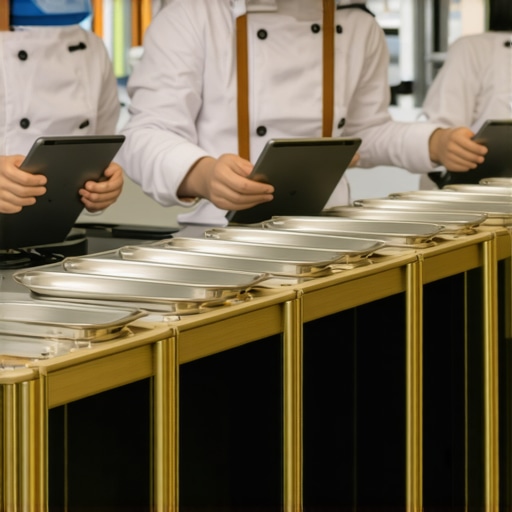
Initially, I underestimated how crucial targeted server training is. I believed that hiring experienced staff was enough, but I soon realized that without specific coaching on event flow and guest cues, service quality suffered. One lightbulb moment was noticing how attentive servers could subtly influence guest interactions, making the entire event feel more seamless. This taught me that investing in personalized training elevates professionalism and guest satisfaction.
Top Resources That Transformed My Event Approach
First, Professional Server Techniques became my go-to guide for understanding how subtle server cues can foster connections. I also rely on Event Planning Checklists to stay organized and ensure no detail slips through, especially when managing multiple stations. For tech, Innovative Catering Ideas push me to think creatively about presentation and menu design, adding that wow factor that keeps guests engaged.
You’re Capable of Creating Event Magic—Start Today
Remember, the difference between a good event and an unforgettable one often lies in those small, intentional details. Elevating your servers’ skills, leveraging reliable tools, and embracing continuous learning can transform regular gatherings into memorable experiences. So go ahead—apply these insights, experiment with small plate setups, and watch your event connections flourish. Your guests will thank you for it, and your reputation as a host or organizer will soar.
What’s one small change you’re ready to implement at your next event? Share your plans below—I’d love to hear your thoughts!
,