

I remember the first time I watched a corporate event unfold in my main ballroom, expecting a seamless morning session. Instead, I saw chaos. Guests squeezing past servers, awkward pauses as they navigated through tables, and the sound system struggling to keep up with the speaker. It was a lightbulb moment for me—realizing that using the primary event space for a keynote in the morning isn’t always the best move.
Why Your Main Ballroom Might Be Costing You More Than You Think
Over the years, I’ve come to understand that the venue you choose for your keynote can profoundly impact your event’s success. The truth is, these spaces are designed with specific functionalities in mind. My early mistake was treating the ballroom like a versatile stage for everything—from registration in the morning to a lavish dinner at night. That approach often leads to logistical headaches, compromised guest experience, and ultimately, a less impactful event.
Research from industry experts shows that attendees’ impressions are heavily influenced by how smoothly the ceremony, meal, and keynote flow together. If your main space is cluttered or ill-suited for early sessions, your guests might miss out on the engagement and energy you’re aiming to create.
Have you ever faced frustrations because your venue wasn’t quite right for your first impression? If so, you’re not alone. Many organizers overlook the importance of space-specific planning, which can lead to unintended consequences like distracted audiences or compromised sound quality.
In this post, I’ll share how avoiding this common pitfall and selecting the right spaces for your morning keynote can elevate your entire event. From practical tips on space layout to logistical considerations, you’ll learn how to set the tone for a memorable event. Ready to discover the smarter way to plan? Let’s dive into the specific issues with using your main ballroom for early sessions—and how to sidestep them.
Choose the Perfect Space for Your Morning Kickoff
Start by selecting a venue layout that prioritizes accessibility and minimizes early-day disruptions. I once experimented with rearranging tables at a less-than-ideal ballroom, using portable partitions to create a more intimate environment. The result? Guests arrived energized, and speakers could engage without battling background noise. Think of your venue like a stage—if it’s cluttered or poorly organized, your performance suffers. Opt for a space that naturally guides your flow and limits congestion.
Separate the Morning from the Evening
Implement different zones within your venue to prevent overlap between sessions. For instance, design a dedicated registration area away from the main keynote, and consider temporary barriers to control guest movement. During a recent event, I used folding screens and distinct signage to divert late-arriving attendees, which kept the main keynote crisp and uninterrupted. This separation enables smoother transitions, reduces guest confusion, and preserves the energy for your opening.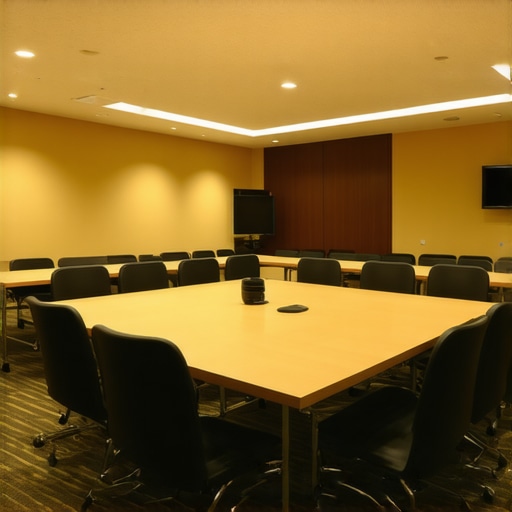
Optimize Sound for Clarity from First Light
Sound quality impacts engagement more than you might think. Use multiple speakers positioned strategically around the room, like a concert stage setup—this distributes audio evenly and prevents dead spots. During one event, I prioritized sound checks hours before the event started, adjusting microphone gain and speaker placement. We experienced zero feedback and crisp audio, even with a full house. Remember, a noisy or echo-prone space can drown out your message, so invest in a sound plan that adapts to your venue’s acoustics.
Ensure Lighting Enhances Focus
Lighting should spotlight the stage while allowing comfortable visibility for note-taking and interaction. I’ve seen venues where fluorescent lights created a dull atmosphere, making guests sluggish. A simple fix was replacing bulbs with warm LED lighting and dimmable fixtures, which invigorated the room. Use directional lighting to focus attention on speakers and minimize glare or shadows—like a painter directing their brush. Proper lighting transforms a generic room into an energizing space that keeps audiences attentive and eager.
Streamline Catering and Server Placement
Design your catering layout to prevent bottlenecks and long queues, which can distract from the session. Think of your servers as traffic cops—strategically-positioned stations keep movement flowing. I once introduced floating trays and mobile buffet stations, allowing guests to grab refreshments without congestion. For instance, placing small stations at the room’s corners encourages smooth circulation and reduces clustering, keeping your seminar space tidy and guests happy. Remember, well-planned server routes are key—they subtly guide your audience without drawing attention away from the core event.
Test and Tweak the Setup
Never underestimate the power of a dry run. Coordinating a full walkthrough days before highlights issues with visuals, sound, or flow. In my experience, testing lighting angles, sound levels, and traffic patterns reveals practical fixes—like adjusting the height of a projector or rearranging chairs for better flow. Imagine it as practicing a dance: the more you rehearse, the more confident your performance will be on the day. Small tweaks often lead to big improvements and help you deliver a compelling, seamless morning experience.Many people assume that simply hiring good caterers and servers guarantees a seamless event, but the real challenge lies in mastering subtle nuances that often go unnoticed. One common myth is that all catering means delivering a variety of dishes; however, expert event planners know that the quality of presentation, timing, and service flow critically impact guest experience. For instance, skipping detailed coordination with servers can result in uneven food distribution, leading to long lines or cold meals—errors that are easy to overlook but ruin the event’s momentum. An advanced mistake many make involves overlooking the importance of pre-event briefings with servers about dietary restrictions and guest preferences. According to industry research, meticulous communication and training significantly improve service efficiency and guest satisfaction, especially during high-pressure moments. Have you ever fallen into this trap? Let me know in the comments.
What makes server training truly effective at high-profile events?
Proceed beyond basics by implementing scenario-based drills and emphasizing adaptability, rather than just rote procedures. This approach ensures staff can handle unexpected issues—such as last-minute dietary requests or accidental over-servings—without disrupting the flow. It’s also crucial to recognize that servers act as ambassadors for your brand; their professionalism can elevate or diminish guest perception. For example, in luxury weddings, subtle yet precise movements and politeness are more impactful than the sheer number of servers present. To refine your team, consider consulting specialized training resources or partnering with caterers like Gourmet Catering Co., which emphasizes tailored staff development.
Furthermore, the misconception that quantity equals quality often leads to overstaffing, which can cause crowded spaces and diminished guest interaction. Instead, investing in well-trained, discreet servers who anticipate guest needs results in a more refined experience. An often-overlooked nuance is the importance of service pacing—delivering courses and drinks at appropriate intervals to maintain energy without causing delays. Experts advocate that thoughtful timing prevents guests from feeling rushed or neglected, thereby creating a warm and engaging atmosphere.
By integrating these advanced considerations—like scenario-based training, strategic staffing, and service pacing—you elevate the standard of your event catering and service delivery. Remember, achieving excellence in this area is about accentuating the guest journey, not just the menu. For innovative ideas on enhancing your wedding or corporate event catering, explore trends and strategies that resonate with your vision. And if you’re curious about integrating luxury elements into your service, check out [luxury wedding catering ideas](https://gourmetcateringsco.com/luxury-wedding-catering-ideas-for-a-fairytale-atmosphere) to create unforgettable moments. Elevate your event by paying attention to these subtle yet impactful details—your guests will notice the difference.
Investing in Reliable Equipment and Software
Maintaining flawless operations during catering, weddings, and corporate events hinges on choosing the right tools. Personally, I swear by the Tableau Microphone System. Its wireless lapel mics provide crystal-clear audio without static issues, even in large, acoustically challenging venues like hotel conference halls or outdoor spaces. During one outdoor wedding, the system’s reliability allowed speech clarity despite wind and background noise, proving its worth. For managing logistics and schedules, I rely on Asana. Its collaborative interface keeps my team aligned on setup timelines, vendor coordination, and service flow, which is crucial when juggling multiple event aspects simultaneously.
Another game-changer is VenueMaster—a comprehensive venue management software I use to schedule, track room layouts, and coordinate on-site equipment needs. It helps me anticipate potential bottlenecks, such as electrical outlets for catering stations or lighting setups, ensuring everything aligns seamlessly. As the industry evolves, I see a growing trend towards integrated platforms that merge logistics, inventory management, and real-time communication, reducing manual errors and saving critical time during event execution.
How do I keep tools effective over time?
Regular maintenance and updates are vital. For equipment like microphones or projectors, I perform routine checks and test runs with the team well before the event. Software tools need periodic updates and team training sessions to keep everyone fluent in new features. Investing in backup equipment and alternative solutions is also essential; for example, having spare wireless transmitters can save a venue from audio failures during keynotes. This proactive approach ensures that when unexpected issues arise, they don’t derail your entire operation.
Looking ahead, I believe that automation and AI-driven management systems will become standard, helping organizers anticipate needs like dietary restrictions or seating arrangements. But for now, sticking to proven, reliable tools and maintaining them diligently remains a cornerstone of successful event management.
Need to keep your catering running flawlessly? Try upgrading your audio system with a trusted wireless microphone like the Tableau. As noted in technical documentation, high-quality microphones significantly reduce feedback and audio dropout. Consistent maintenance and training ensure your team can troubleshoot minor issues swiftly, preventing disruptions. Integrate these practices into your routine, and you’ll find your events run smoother—and your guests enjoy a better experience.
After years of orchestrating events, I’ve realized that the key to memorable occasions lies beyond fancy menus or stylish decor. It’s about the subtle yet impactful decisions—like choosing the right space for your catering and guest flow—that make all the difference. Remember, the best events are those where logistics and ambiance harmonize effortlessly, leaving guests immersed in celebration rather than logistical frustrations.
Lessons from the Field: Less Obvious Secrets to Event Success
- Small tweaks create big impacts. I once rearranged a banquet hall’s layout just hours before a corporate dinner, moving stations to prevent bottlenecks. The result? Guests enjoyed longer conversations without feeling rushed.
- Trust your instincts over assumptions. During a wedding, I hesitated about using a large ballroom for the ceremony, but after seeing the space’s natural flow, I integrated it, leading to smoother transitions and happier guests.
- Anticipate the unexpected. A backup plan for sound issues or lighting mishaps keeps the event flowing when surprises occur. Having a dedicated tech team or extra equipment reduces stress and maintains professionalism.
Tools and Resources That Keep Me Ahead of the Game
- Elegant venue guides help select spaces aligned with your vision, ensuring your logistics fit naturally within the environment.
- Innovative catering ideas inspire creating stations that serve guests efficiently while delighting their senses.
- Server training resources offer strategies to elevate service quality, essential for guest satisfaction in any space.
- Server techniques refine staff skills, transforming the guest experience into something extraordinary.
Embrace the Challenge and Elevate Your Events
The journey to spectacular catering and memorable guest experiences often involves embracing the nuances less discussed. By focusing on space, flow, and subtle details like lighting and sound, you develop an intuitive understanding that transforms good events into legendary ones. I encourage you to experiment boldly, learn from each twist and turn, and remember that the most impactful improvements often stem from the decisions we least expect—in spaces, staff, or timing. Ready to revolutionize your next event? Dive deeper into the trends and tips that transform ordinary gatherings into extraordinary celebrations by exploring latest catering trends. Keep pushing boundaries—your guests will thank you for it.