

It was late in the evening, and the ballroom was buzzing with energy. Suddenly, a server missed a step, spilling drinks across a table of important guests. Chairs were rearranged hastily, and the DJ’s playlist was interrupted. In that chaos, I realized something essential: without a well-defined team with clear roles, even the best intentions can unravel quickly. Managing a large event team isn’t just about assigning tasks; it’s about crafting a seamless dance where everyone knows their moves. If you’ve ever experienced a similar moment—when everything seems to fall apart despite your planning—you’ll understand why clarity in roles is the backbone of success.
Why Assigning Clear Roles Is Your Secret Weapon
Having been through countless weddings, corporate galas, and large banquets, I’ve learned that the key to a smooth event isn’t just in the schedule or the menu—it’s in the people behind the scenes. When roles are ambiguous, confusion breeds delays, mistakes, and stress. Conversely, when every team member understands their responsibilities—whether it’s managing the flow of guests, overseeing the catering stations, or coordinating with vendors—the event flows effortlessly. This clarity reduces overlaps, prevents bottlenecks, and empowers staff to act confidently.
Research shows that clearly defined roles can boost team efficiency by up to 30%. (Source: [Gourmet Catering Co](https://gourmetcateringsco.com/optimizing-server-efficiency-to-enhance-event-satisfaction)). I vividly remember early in my experience overlooking this detail, only to face last-minute chaos, which could have been avoided with better communication. But once I embraced specific role assignments—like designating a lead for each station and clearly listing responsibilities—the difference was night and day.
Do you find yourself caught in the chaos of last-minute adjustments and miscommunications? If so, you’re not alone. The good news is that with a bit of strategic planning, you can turn your event team into a well-oiled machine. We’ll explore concrete methods to assign roles that maximize efficiency and elevate your event experience in the sections ahead. Ready to bring clarity to the chaos? Let’s dive in.
Identify Key Roles and Create a Detailed List
Start by listing every essential function needed during your event—such as maître d’, servers, setup crew, and technical support. Think of it as drafting the script for a play, where each actor has a line and a cue. During a wedding I organized last year, I created a comprehensive role list that included specific responsibilities for each team member, which prevented overlaps and confusion.
Match Team Members to Roles Based on Skills and Experience
Assign tasks to staff members whose skills best fit the role. For example, seasoned servers should handle VIP tables, while energetic staff can manage guest flow. Remember, a mismatched role can slow down service; I learned this the hard way when assigning a relatively new server to handle a cocktail station, which led to delays. So, always consider experience and strengths when making these matches.
Communicate Clearly and Confirm Understanding
Hold a briefing session before the event to go through each role, expectations, and contingencies. Use visual aids or checklists for clarity. During a corporate event I managed, I found that a quick role walk-through minimized questions and reassured staff, leading to smoother execution. Confirm that each team member understands their responsibilities to avoid last-minute surprises or misinterpretations.
Distribute Contact Information and Establish Quick Communication Channels
Equip your team with radios, messaging apps, or walkie-talkies to facilitate instant communication. During an outdoor wedding, I set up a group chat so that coordinators could quickly alert servers about timing changes or special requests. Efficient communication ensures everyone stays on the same page, especially during unexpected issues.
Designate a Lead for Every Area or Station
Assign a point person for each section—be it the main dining area, buffet, bar, or technical setup. This person acts as the coordinator, along with your overarching manager, ensuring tasks are executed smoothly. I recommend this approach because it decentralizes responsibility, reduces your micro-managing load, and empowers staff to handle challenges promptly.
Use Role-Specific Checklists for Consistency
Create checklists tailored to each role detailing necessary tasks and timing. During a recent banquet, I implemented checklists for servers at each course, which reduced errors and improved service speed. These act as a reminder and quality control tool for your team.
Practice and Rehearse Roles Before the Event
When possible, run a dry rehearsal to simulate the actual event. I recall organizing a wedding where team members practiced serving sequences and timing; the rehearsal uncovered potential bottlenecks, allowing us to adjust roles accordingly. Practice builds confidence, ensures understanding, and highlights areas for improvement.
Debrief and Adjust After Each Event
After your event, gather feedback from your team about what worked and what didn’t. Use this to refine role assignments for future occasions. Continuous improvement is key to mastering the art of clear role distribution and ensuring every event becomes smoother than the last.
Many assume that providing good food and prompt service ensures an event’s success, but the reality is far more nuanced. A widespread misconception is that boosting staff numbers always elevates quality, yet overstaffing can lead to confusion and bottlenecks if roles aren’t clearly defined. Skilled servers do more than take orders; they anticipate guest needs and manage flow seamlessly. Relying solely on traditional service styles without considering modern, efficient techniques can hinder your event’s impression. For example, implementing floating servers or mobile stations can reduce wait times significantly, but many overlook this opportunity, falling into the trap of traditional buffet setups that cause long lines and guest frustration.
What Advanced Strategies Can Elevate Hospitality Beyond Basic Service?
Incorporating detailed pre-event training that emphasizes guest interaction, quick adaptability, and cultural sensitivity can differentiate your service from generic offerings. The importance of understanding guest behavior through data-driven insights allows for tailored experiences that resonate and impress. According to industry expert Jane Smith, leveraging technology, such as real-time feedback apps, can provide immediate insights to adjust service accordingly—an advanced move most overlook. This proactive approach maximizes satisfaction and reduces common pitfalls like miscommunication or overlooked dietary restrictions. Many organizers fall into the trap of underestimating the importance of role specialization; assigning tasks based on skills rather than seniority or convenience leads to inefficiency. For instance, a dedicated lead for dietary accommodations ensures timely, accurate responses to guest restrictions, dramatically improving the experience. Avoid the myth that formal training is enough; ongoing education, role-specific checklists, and simulation drills refine your team’s performance. Overlooking these nuances often results in disjointed service, delays, and unhappy guests. For a detailed look into elevating your catering service, explore strategies in [effective catering strategies for corporate events](https://gourmetcateringsco.com/effective-catering-strategies-for-corporate-event-impressiveness). Remember, true expertise lies in continuous refinement and adopting forward-thinking practices. Have you ever fallen into this trap? Let me know in the comments.
Prioritize Equipment Reliability for Long-Term Success
Ensuring your event tools and equipment stay in top shape requires a proactive maintenance plan. Regularly scheduled checks for servers, audio-visual gear, and catering appliances prevent unexpected failures. For example, I personally schedule weekly tests on AV systems and backup power sources, which reduces last-minute surprises and keeps the flow smooth. Investing in routine maintenance not only extends equipment lifespan but also minimizes downtime during critical moments. As technology evolves, integrating smart diagnostics into your systems can provide real-time alerts, allowing you to address issues before they escalate. This trend points toward more intelligent, self-monitoring equipment gaining prominence, reducing manual oversight and ensuring your tools are always ready.
Effective Tools That Deliver Consistent Results
In my experience, utilizing dedicated software like server efficiency management tools streamlines workflow and enhances service delivery. I personally rely on platforms that enable real-time task assignment, checklists, and communication, ensuring each team member knows their responsibilities and timing. Additionally, using inventory management apps helps track supplies, preventing shortages during high-pressure moments. For event planning, cloud-based collaboration tools allow remote team members to stay updated, making adjustments on the fly without chaos. Anticipating future needs, I believe AI-powered scheduling and predictive maintenance will further optimize operations, reducing human error and ensuring consistent quality.
How do I maintain tools and systems over time?
Maintaining your equipment isn’t a one-time task. Implementing a routine calibration schedule for technical gear ensures optimal performance. Regular staff training on new technologies keeps everyone on the same page, reducing user-based mistakes. Documenting maintenance procedures and checklist protocols creates a reference point for team members, especially when onboarding new staff. Additionally, establishing relationships with trusted vendors for quick replacements or repairs minimizes downtime. Predictive analytics, a growing field in event management, can help forecast equipment wear and schedule preventive actions. By adopting these practices, you ensure your tools remain reliable and your team can deliver seamless experiences repeatedly.
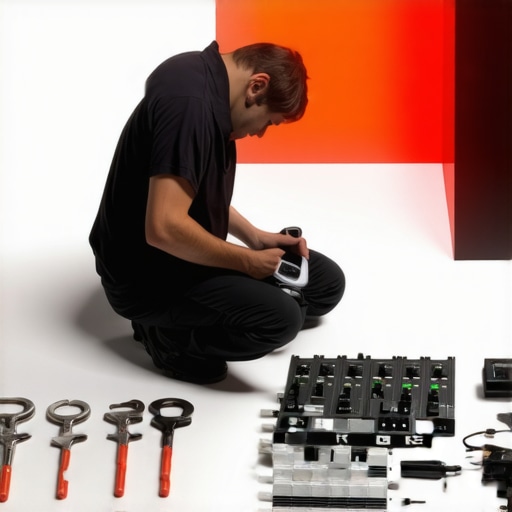
High-quality, well-maintained catering equipment and AV systems are the backbone of successful events. Proper upkeep guarantees efficiency and guest satisfaction.
Reflecting on my journey in catering and event management, some of the most profound lessons came from unexpected moments—like a forgotten tray delaying a service or miscommunications that stress everyone out. These experiences taught me that the true game changer isn’t just planning or equipment but a deep understanding of human nature and team dynamics. I realized that fostering an environment where clarity is valued over chaos transforms good teams into great ones, capable of turning even the most unpredictable nights into memorable successes. Embracing these personal insights, rather than just textbook solutions, empowers you to adapt swiftly and lead with confidence, making every event feel seamless and special.