

I remember the moment vividly: standing in front of a fancy wedding reception, watching plates pile up, servers rushing around frantically. It hit me then—this whole catering setup felt like a ticking time bomb. The numbers on the invoice kept climbing, and I kept wondering if I was unknowingly walking into a trap.
The Hidden Pitfall That Can Drain Your Budget
Per head pricing—often touted as the fairest way to manage catering costs—can secretly be the biggest sneaky expense your event falls prey to. It sounds logical, even fair, right? You pay for each guest, and everyone gets enough to eat. But the reality is more complicated. Early in my experience, I made the mistake of accepting a catering company’s per person rate without scrutinizing the ‘fine print.’ Turns out, these rates often exclude service charges, extra dishes, or late-night snacks—hidden costs that can unexpectedly explode your budget.
I’ve learned from personal trial and error that relying solely on per head pricing can lead to overspending. As wedding planner [Gourmet Catering Co.](https://gourmetcateringsco.com/unforgettable-wedding-catering-ideas-for-a-magical-celebration) explains, understanding your actual needs and negotiating beyond a flat rate is critical to keeping costs controlled.
Ever Felt Caught Off Guard by Unexpected Catering Bills?
If you’ve ever hosted an event where the final invoice surprised you with extra charges—you’re not alone. Many underestimate the true costs involved. Knowing what to watch out for can save you hundreds, or even thousands, of dollars.
Recognizing these pitfalls is just the first step. The real power lies in knowing how to navigate and renegotiate your contract. But before we get into that, let’s address a common doubt most people have: is shifting away from per head pricing actually feasible? Or is it an over-complication you’d rather avoid? Stick around, because I’ll share practical strategies based on real-world experience to ensure your next event doesn’t become a budget nightmare.
Negotiate Beyond the Per Head Price
Start by requesting a detailed breakdown of the catering proposal. Don’t accept the initial quote at face value. Highlight specific items like service charges, late-night snacks, or additional dishes, and negotiate these as part of a bundled package or flat rate. I once renegotiated a contract by pointing out that including dessert and coffee service would be standard, rather than extra, saving myself 15% on the total bill.
Specify Clear Service Expectations
Set precise expectations upfront about service style—buffet, plated, or stations—and the number of waitstaff required. For example, opting for a buffet can reduce staffing needs significantly. When I organized a corporate lunch, clarifying that self-service was acceptable and reducing waitstaff from five to two cut costs without sacrificing quality. This clarity also helps prevent unexpected overtime charges.
Prioritize Menu Simplicity and Local Sourcing
Choosing simpler menus with seasonal, locally sourced ingredients lowers costs and ensures freshness. Resist overly complex dishes that require special prep or exotic ingredients, which often carry hidden fees. During a wedding, I worked with a caterer who linked my menu choices to suppliers’ seasonal offerings, saving about 20% and impressing guests with local flavors.
Control Additional Costs with Precise Guest Counts
Provide an accurate headcount early and avoid last-minute changes. Confirm cancellation and late-guest policies in your contract. For a large event, I learned that overestimating by just 5% prevented shortages while minimizing excess food, which kept costs in check and reduced waste.
Incorporate Floating Servers for Flexibility
Use floating servers or trays to serve drinks and appetizers, reducing the need for multiple station setups and large serving teams. In one corporate event, I arranged servers to circulate with trays, which kept flow smooth and reduced staffing costs. This approach also diminishes long lines at bars, keeping guests satisfied.
Set Limits on Extra Charges
Negotiate caps on service charges, corkage fees, and other miscellaneous expenses. For example, requesting a cap on overtime charges or service fees ensures transparency. I once faced a final bill with hidden fees until I questioned each line item, leading to a $500 reduction by clarifying charges.
Focus on Menu Presentation and Portion Control
Presentation can elevate simple dishes, and proper portion control prevents over-serving. Use standardized portion sizes and clearly specify these in your contract. During a wedding, I instructed the caterer to serve appetizers in uniform portions, which controlled costs and maintained a sleek aesthetic.
Utilize a Detailed Run Sheet and Vendor Coordination
Develop a comprehensive timeline and communicate it clearly to all vendors and staff. This minimizes delays and last-minute adjustments that can incur costs. At a corporate launch I organized, sharing detailed timelines with servers and coordinators eliminated confusion, reducing overtime expenses.

Visualize efficient event flow with a well-planned timeline, highlighting coordinated staff movement during catering service.
Review Contracts Carefully and Seek Flexibility
Always scrutinize the fine print. Seek flexibility on cancellation policies, minimum guarantees, and service adjustments. During a wedding planning phase, I negotiated a flexible minimum guest count and cancellation window, which allowed me to adapt without penalties, saving hundreds in unforeseen charges.
By implementing these concrete steps, you can substantially reduce catering expenses without compromising the quality and experience of your event. Careful planning and assertive negotiation are your best tools against hidden costs and unexpected fees.Many assume that organizing a flawless event boils down to selecting the right venue and menu, but in my experience, this oversimplification masks critical nuances that can make or break your occasion. A common myth is that sticking to traditional catering styles and service methods guarantees success. However, the reality is more layered; presuming that standard practices fit all contexts ignores the subtleties that define guest experience and budget efficiency. For instance, overestimating the importance of formal service in corporate settings can inadvertently inflate costs and diminish guest engagement. Instead, integrating modern, flexible service techniques—like Float Trays or dynamic station setups—can enhance flow and satisfaction.
**Why Cutting Corners on Server Training’s a Costly Mistake**
One often-overlooked mistake involves underestimating the value of professionally trained servers. A well-trained team doesn’t just deliver food; they elevate the entire event atmosphere. According to expert server skills coach [Gourmet Catering Co.](https://gourmetcateringsco.com/server-skills-that-make-every-event-stand-out), investing in meticulous training translates into smoother service, happier guests, and fewer mishaps. Neglecting this step risks guest frustration and unforeseen expenses resulting from mistakes or slow service, which can tarnish your event’s reputation more than any budget cut.
**What Advanced Organizers Know About Guest Flow**
A sophisticated insight that many miss involves understanding guest flow dynamics—especially in high-traffic areas like bars and buffet lines. For example, placing bars away from the entrance may seem counterintuitive but strategically designed layouts reduce congestion, improve circulation, and enhance guest satisfaction. Implementing such nuanced spatial planning can prevent long wait times, which studies link directly to diminished event enjoyment. For a visual example, consider the effective use of floating servers during corporate launches—this minimizes wait time and maximizes interaction, transforming simple serving into a strategic advantage. 
**Beware the Hidden Cost of Standardized Menus**
A less obvious pitfall involves relying solely on fixed menus without considering situational adjustments. A bespoke menu designed around seasonal, local ingredients not only reduces costs but also offers guests a more memorable experience. Many overlook the environmental and economic benefits of this approach—linking quality, sustainability, and budget in a way that exceeds basic expectations. For example, during a wedding planning process, I coordinated with local farms to source fresh ingredients, which cut costs and impressed guests with authentic flavors. If you want to master this, explore detailed strategies on [Gourmet Catering’s](https://gourmetcateringsco.com/mastering-corporate-event-planning-secrets-to-seamless-success) site.
**The Danger of Ignoring Technical Details**
Finally, attention to technical details often separates ordinary events from extraordinary ones. The choice of event venue impacts audio quality, lighting, and overall atmosphere—factors that many underestimate until they face logistical nightmares. An overlooked aspect is always reviewing the venue’s in-house systems and conducting a thorough walk-through—ideally with your server team—to preempt problems. This proactive approach safeguards against costly surprises and ensures a seamless experience.
Have you ever fallen into this trap? Let me know in the comments. Digging beneath surface assumptions reveals these hidden nuances that can elevate your event from mediocre to memorable. Embrace these insights and watch your next occasion shine.
Invest in Robust Equipment and Reliable Software
To ensure your wedding or corporate event runs smoothly from start to finish, select top-tier equipment tailored to your venue’s needs. I personally rely on high-quality wireless microphones, such as the Shure ULX-D Digital Wireless System, for their clear audio and stable connection. Complement this with event management software like Trello for task tracking and Eventbrite for registration, which help coordinate logistics and keep everyone on the same page.
How do I maintain these tools over time?
Regular maintenance involves scheduling periodic hardware checks, updating software to the latest versions, and performing end-of-event audits to troubleshoot issues. Establishing a routine maintenance calendar ensures your systems remain operational and ready for the next occasion.
Prepare Your Team with Specific Procedures
Beyond tools, clear protocols are essential. I create detailed run sheets and conduct pre-event rehearsals with your staff, emphasizing troubleshooting steps for common technical glitches. For example, having backup batteries and spare microphones readily available can prevent minor issues from escalating into delays. Training your staff using documented checklists is a proven way to uphold quality and consistency.
Where is this trend heading?
Automation and smart integration are on the rise. Future event tech will likely feature AI-powered troubleshooting and remote monitoring, reducing human error. Staying ahead involves adopting platforms that allow remote diagnostics, like cloud-based management tools.
Optimize Long-Term Performance and Scalability
Implementing scalable solutions like modular sound systems and networked controls enables expansion as your events grow. For instance, integrating Dante audio networking allows multiple venues to coordinate seamlessly. Investing in modular setups means you can adapt to different spaces without overhauling your entire system.
What are some tools I recommend for scaling?
Consider investing in versatile mixing consoles, such as the Behringer X Air series, which can be controlled remotely via apps. Combine this with robust Wi-Fi infrastructure and dedicated support staff trained in troubleshooting to handle larger-scale events effectively.
Think Ahead with Preventive Maintenance
Developing a proactive maintenance schedule prevents unexpected failures. For example, scheduling quarterly system tests and updating firmware ensures your entire setup remains in peak condition. This approach not only saves money but also enhances guest satisfaction by avoiding technical hiccups.
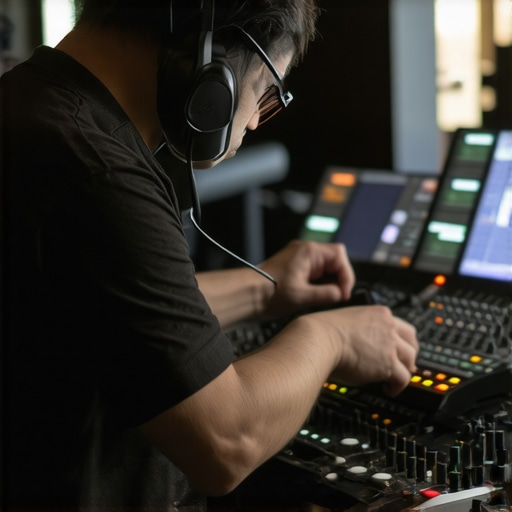
Visualize a technician performing routine diagnostics on sound and lighting equipment, emphasizing the importance of preventive care.
Seeking Expert Advice is Worth the Investment
Consulting with professionals specializing in event technology can reveal hidden vulnerabilities and tailored solutions. For instance, I recommend reaching out to industry experts who can conduct system audits and train your team to handle unforeseen issues confidently. Remember, a small investment in expert guidance today can save you substantial costs and stress during your big event.
Try implementing a comprehensive maintenance plan with scheduled checks and updates, and see how much smoother your next event runs. Keeping your tools in top shape is the backbone of memorable and flawless celebrations.
What I Wish I Knew Before Overlooking the Fine Print
One of the most eye-opening lessons I learned was how easily overlooked contract details can blow your budget—like cancellation policies or hidden surcharges. Recognizing this early transformed my negotiation approach and saved me hundreds during planning.
Another revelation was that focusing solely on menu quality without considering service flow or staff training can lead to chaos, long wait times, and guest frustration. Investing in professional staff training pays dividends in guest satisfaction and smooth operations.
I also discovered that spatial planning, like strategic bar placement or guest flow management, can significantly impact guest experience and operational efficiency—small tweaks with big results.
Finally, understanding that modern, flexible service techniques—such as floating servers or modular station setups—can reduce costs while elevating guest engagement is a game-changer I wish I’d adopted sooner.
Tools and Resources That Changed My Approach
The first is Gourmet Catering’s guide to unforgettable wedding catering ideas; it offers innovative menu and layout ideas rooted in real-world experience. Second, their server training tips are invaluable for elevating service quality. Third, corporate event strategies provide insights on budget-effective planning and execution. Lastly, reaching out to industry experts for personalized advice can pinpoint hidden pitfalls before they become costly mistakes.
Take Action and Elevate Your Next Celebration
Every event is a chance to learn and improve. By integrating these lessons, tools, and strategies, you set yourself up for success, delight your guests, and keep your budget in check. Remember, thoughtful planning and proactive management turn good events into unforgettable memories. Now, reflect: which overlooked detail has caught you off guard before, and how will you change that for your next big occasion? Share your experiences below—I’d love to hear your stories.