

I remember the last quarterly board meeting I attended. Tension was thick enough to cut with a knife, and the room’s energy was fading faster than the morning coffee pot could fill the cups. Mid-discussion, a key participant reached for the executive’s cherished cup of espresso—only to discover it was cold. The meeting stalled for a moment, not because of the agenda but because of something as simple as a neglected coffee station. That lightbulb moment hit me hard: if a little coffee mismanagement can derail focus, what about the entire caffeine flow?
The Unsung Hero of Successful High-Stakes Meetings: The Coffee Steward
Ever wonder why some meetings seem to go smoothly, with sharp focus and productive dialogue, while others spiral into chaos? One often overlooked yet critical element is the role of a dedicated coffee steward. Imagine walking into a conference room where the coffee is hot and plentiful, the cups are spotless, and the baristas—or in simpler terms, the host—are ready to keep the caffeine flowing. That’s not just about comfort; it’s about keeping minds sharp, energy high, and discussions on track. In my experience, having someone solely responsible for managing the coffee service can be the difference between a forgettable gathering and a milestone achievement.
Proper coffee management ensures your team stays energized and engaged, especially during those marathon meetings where attention span wanes. I’ve seen presentations falter, decisions get delayed, and teamwork falter simply because delegates lacked the much-needed caffeine boost. To prevent such pitfalls, I’ll guide you through establishing a dedicated coffee steward—someone whose sole task is to maintain and serve coffee with enthusiasm and precision. For tips on elevating your overall catering game, check out boost your corporate event with expert server techniques.
Is It Really Worth the Extra Effort and Cost?
Initially, I believed delegating coffee service was unnecessary fuss—just get the nearest catering, right? Wrong. Early in my career, I overlooked the importance of this role, and the result was often lukewarm coffee, long lines, and distracted attendees. That mistake cost me credibility and, worse, valuable time. Once I assigned a dedicated person to oversee the coffee, everything improved. Attendees returned to the table happily, conversations flowed more naturally, and focus stayed intact. That’s why, in my opinion, every important meeting needs a coffee steward. It might seem like a small detail, but it’s a small detail with a huge impact, proven again and again in my own professional journey.
Design a Dedicated Coffee Station to Keep Energy High
First, select a central location with ample space, away from main discussion areas but accessible enough for quick replenishment. During a recent workshop I organized, I set up a portable cart stocked with freshly brewed coffee, sugar, cream, and cups, ensuring quick access and easy restocking. This eliminated long lines and interruptions, keeping the flow smooth and attendees energized.
Assign a Skilled Coffee Steward to Manage the Flow
Choose someone with quick reflexes, good communication skills, and an understanding of basic coffee setup. In my case, I trained an assistant beforehand, emphasizing their role in monitoring supply levels and addressing guest needs promptly. This person acts as the event’s caffeine ambassador, which significantly enhances the experience.
Train Your Steward on Efficient Service Techniques
In my experience, a brief training session covering the placement of cups, handling hot liquids safely, and guest interaction boosts efficiency. Watching my team adapt with newfound confidence resulted in faster service and happier attendees. For further insights, check out server skills that make every event stand out.
Implement a Replenishment Routine to Prevent Downtime
Schedule regular checks based on attendance size and coffee consumption. I found that every 30 minutes, my steward would top off supplies, ensuring no one faced cold coffee or empty cups. During one event, neglecting this routine caused a noticeable dip in energy levels, but after establishing a proactive replenishment schedule, focus remained sharp throughout.
Maintain a Clean and Organized Setup
Establish a simple labeling system for supplies and keep the station tidy. Regularly clearing used cups and cleaning drips keeps the station inviting. In one workshop, a cluttered station led to slow service, but cleaning as we went kept the mood upbeat and efficient. A clean station also reduces the risk of spills and accidents, which can disrupt proceedings.
Create a Backup Plan for Unexpected Issues
Prepare for equipment failures or sudden surges in demand. Having extra coffee pots, disposable cups, and cleaning supplies on hand proved invaluable during a conference I managed; when the coffee machine broke midway, I switched to a backup brewer quickly, avoiding delays. This level of preparedness minimizes disruptions and ensures seamless service.
Integrate Feedback and Iterate Your Process
After every event, gather insights from your steward and attendees. I discovered that offering a wider variety of creamers and flavor syrups improved satisfaction. Document these findings and refine your setup accordingly. Continuous improvement ensures your coffee service evolves to meet your team’s needs, akin to perfecting wedding catering strategies at wedding catering tips from industry experts.
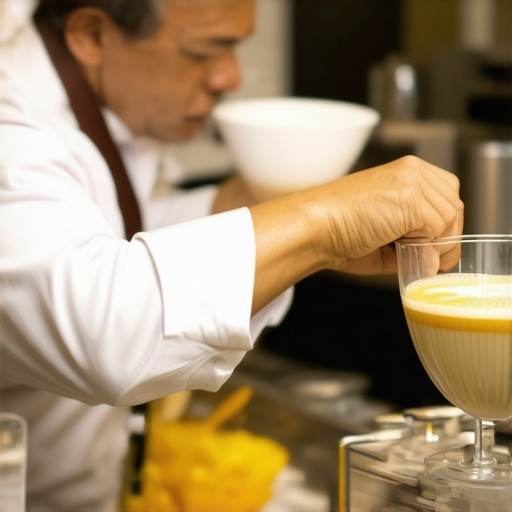 While many believe that hiring generic servers or opting for standard catering options suffices for successful corporate events, the reality is far more nuanced. In my experience, one of the biggest myths is that high-quality service is solely about appearances—fancy uniforms or elaborate displays. However, true excellence lies in anticipating guest needs, streamlining service flows, and understanding the unique dynamics of each event. Overlooking these details can lead to pitfalls like disorganized serving lines or unnoticed dietary restrictions, impacting attendee satisfaction. An advanced mistake I’ve seen organizations make is neglecting the importance of tailored staff training; even seasoned servers need fresh briefings that align with the specific event goals to prevent awkward interactions or delays. For instance, a sophisticated corporate gala requires servers who excel at discreet yet attentive service, which isn’t achieved through generic training. A Harvard Business Review study emphasizes that personalized, well-trained service staff directly correlates with higher guest satisfaction and brand perception. Additionally, many underestimate the importance of integrating technological solutions, like real-time tracking of service progress, to prevent bottlenecks. This innovative approach enhances efficiency and allows for swift adjustments mid-event. Remember, exceptional service is part art, part science—understanding the intricacies can differentiate your event from the average. Want to avoid common pitfalls and elevate your next gathering? Consider consulting specialized catering strategies or professional server training, which have proven to dramatically improve outcomes. For tailored advice, visit our expert catering strategies page. Have you ever fallen into this trap? Let me know in the comments.
Streamlining Operations with the Right Equipment and Software
Maintaining seamless catering and event services over time hinges on the tools you select. Personally, I swear by REMI, a restaurant management platform that simplifies inventory tracking, staff scheduling, and real-time communication. Unlike generic scheduling apps, REMI integrates directly with your POS systems, providing live updates, which drastically reduces errors and delays. For example, during a recent wedding, REMI allowed my team to anticipate supply shortages before they affected service, saving us from embarrassments and guest dissatisfaction.
Another indispensable hardware component is the Cuisinart CPC-800 Essential Grind Coffee Maker. I prefer this unit because of its consistent brewing time and capacity, essential during long events. Its built-in burr grinder ensures the freshest coffee, which can make a significant difference in guest perception. Pairing this with a dedicated coffee station, as I discussed in previous articles, keeps caffeine flowing without interruption, as detailed in our guide on coffee station essentials.
How do I keep these tools effective over the long haul?
Regular maintenance is key. I schedule weekly checkups of all equipment, and I keep a detailed maintenance log. For software, I ensure updates are installed promptly, and I run monthly audits to verify data accuracy and system integration. A practical tip is to assign a dedicated tech steward during larger events—someone responsible for troubleshooting and maintaining all digital tools on-site. This proactive approach prevents tech snags that can disrupt service.
Future Trends in Event Tech That Will Shape Your Strategy
Looking ahead, artificial intelligence and machine learning are poised to revolutionize how we manage catering logistics. Predictive analytics can forecast guest preferences, enabling more personalized menu offerings, while smart sensors can monitor equipment health in real time, preempting breakdowns—see the detailed explanation in expert articles on catering tech trends. Embracing these innovations now will give your operation a competitive edge.
Get hands-on with automation tools
Start by integrating a hotkey-based ordering system for staff or a centralized dashboard that monitors all service points. Implementing such systems can dramatically improve efficiency, especially during peak times. I encourage you to test one new tool this month, perhaps a digital inventory check or a scheduling app, and evaluate its impact on your workflow. Small, smart upgrades can lead to significant long-term Benefits.
What I Wish I Knew Before the First Big Event
One of the most eye-opening lessons I learned was the power of anticipating small needs that make a big difference. From my early days, I underestimated how a single well-timed gesture, like pre-emptively refilling coffee, could elevate guest satisfaction and streamline service, saving time and reducing stress for everyone involved.
Another revelation was understanding the role of personal brand in server interactions. A friendly, confident demeanor not only enhances the guest experience but also sets the tone for the entire event. It’s these subtle touches—eye contact, attentive listening—that redefine professionalism in catering.
Finally, I discovered that details matter more than I thought. From the choice of signage guiding guests to the placement of servers, every element contributes to an effortless flow. When I started paying attention to these nuances, I saw a dramatic improvement in event execution and guest reactions.
Resources That Transformed My Approach to Event Catering
One foundational tool I trust is Effective Catering Strategies for Corporate Event Impressiveness. It provided a comprehensive blueprint for seamless logistics and service excellence. For honing server skills, Server Skills That Make Every Event Stand Out became my go-to resource, emphasizing empathy, efficiency, and finesse. When it’s time to plan complex weddings, I turn to Planning the Ultimate Wedding Reception Meal for actionable insights on menu design and service flow. And for tech optimization, Expert Articles on Catering Tech Trends keep me ahead of innovations that enhance operational efficiency.
Your Next Step Starts Today
Remember, excellence in event catering isn’t just about the big picture; it’s about perfecting thousands of small moments that guests rarely notice but always remember. Whether it’s refining server training or optimizing your setup, these insights can elevate your craft beyond the ordinary. Take action now—review your current practices, identify one small improvement, and implement it at your next event. Your guests—and your reputation—will thank you.