

I vividly remember the first wedding I decorated where I thought, “Wow, this feels like it could have been pulled straight from a vintage magazine or a fairy tale.” Yet, shortly after, I realized how easy it was for things to tip into the realm of outdated trends or overly generic styles. I spent hours scouring design magazines and Pinterest boards, only to find myself overwhelmed by conflicting ideas and fleeting fads. That lightbulb moment hit—how do you craft a wedding decor concept that feels both timeless and classic, yet utterly personal?
The Challenge of Staying Timeless in a Trend-Driven World
In today’s social media age, styles and themes change rapidly. What looks fresh today can feel dated tomorrow. Clients often ask, “Will this look still be beautiful in ten years?” It’s a valid concern. After all, wedding decor is a significant investment, and most couples want their photos and memories to stand the test of time. But here’s the catch: many amateur decorators fall into the trap of chasing every new trend, whether it’s an overly rustic aesthetic or a hyper-modern minimalism. This approach risks making your event look like a Pinterest board gone wrong rather than a cohesive, timeless occasion.
Early in my career, I made the mistake of following every “hot” decor trend without questioning whether it suited the couple’s personalities or the venue’s architecture. As a result, some arrangements looked beautiful but felt disconnected or fleeting. Over time, I learned that balancing tradition with subtle contemporary touches creates decor that resonates across generations. Want a foolproof way to avoid becoming a decor fashion victim? I’ll guide you through it step by step.
Is a classic wedding decor concept actually worth the hype?
It is, and here’s why: classic decor never goes out of style. Think elegant draping, soft neutrals, floral arrangements in muted tones, and simple but sophisticated furniture. These elements provide a solid foundation that can be personalized with small, meaningful details. Remember, your goal isn’t to recreate a specific era but to evoke feelings of comfort, beauty, and authenticity. Plus, classic decor tends to be more flexible, allowing you to seamlessly incorporate newer trends without risking an aesthetic mismatch.
Initially, I believed that sticking to traditional elements was too safe or predictable. That was a mistake. Boldness in a classic style often springs from subtle details—like choosing high-quality linens or mixing vintage and modern accents thoughtfully. For example, integrating vintage candleholders with sleek, contemporary centerpieces balances old-world charm with current elegance. Want to see real examples? Check out some inspired ideas for innovation within tradition.
So, if you’ve ever hesitated on how to start your wedding decor plan or worried about your choices dating quickly, rest assured. This article will lay out practical steps to develop a decor concept that’s both timeless and captivating, no matter what season or trend is swirling around. Ready to elevate your design game? Let’s begin!
Choose a Classic Foundation as Your Canvas
Start by selecting a neutral color palette—think shades of ivory, blush, or soft greys—that serve as a versatile backdrop. Use elegant fabrics like linen or satin for tablecloths and draping, which resist trends and exude sophistication. For instance, I once coordinated a wedding with a neutral base complemented by vintage chandeliers, creating a harmonious look that still feels fresh years later. This solid foundation allows you to incorporate personalized details without overwhelming the overall aesthetic.
Invest in Quality Materials
Opt for high-quality linens, florals, and furniture pieces. Durable, well-made items might cost more upfront but preserve their beauty over time. When I ordered custom napkins embroidered with the couple’s initials, the luxurious fabric and precise stitching elevated the entire decor, showcasing timeless elegance. Remember, luxury is in the details, and quality materials age beautifully, making them worth the investment.
Incorporate Subtle Modern Touches
Balance tradition with contemporary elements to keep the decor current yet timeless. For example, paired vintage candleholders with sleek geometric table numbers. I once helped a couple blend rustic charm with modern minimalism by mixing antique vases with minimalist line art on menus. These small contrasts create visual interest without dated clichés, ensuring the decor feels current but enduring.
Personalize Through Meaningful Details
Add elements that reflect the couple’s story—family heirlooms, custom signage, or favorite flowers. In one event, using a grandmother’s lace as a table runner added depth and sentimentality, making the decor deeply personal and timeless. Incorporating such touches transforms decor from superficial to authentic, resonating across generations.
Plan for Cohesion and Flow
Design a layout where each element complements the others, guiding guests effortlessly through the space. Use consistent styles and a harmonious color scheme to unify the setting. When I coordinated a wedding at a historic venue, ensuring that each table setting echoed the venue’s architecture created a cohesive, elegant atmosphere that guests still remember fondly. Think of your decor as a story told in chapters—each piece should seamlessly connect to the next.
Maintain Simplicity and Elegance
Avoid overdecorating—less is often more. Focus on key statement pieces like a floral arch or centerpiece, and let them breathe. I once decorated a garden wedding where minimal floral arrangements paired with natural surroundings created a strikingly timeless scene. Remember, clutter detracts from sophistication; every item should serve a purpose and contribute to the overarching theme.
Test Your Concept Before the Event
Create a mock setup or mood board to visualize the final look. This step helps identify any inconsistencies or awkward pairings. I remember tackling a last-minute change when a client’s preferred color scheme clashed with the venue’s design, but testing the decor beforehand revealed adjustments that saved the aesthetic. Refining your plan ensures clarity and confidence on the day itself.
Stay Flexible for Personal Flourishes
While a strong base is crucial, leave room for last-minute personal touches or seasonal blooms to keep the decor vibrant and true to the couple’s evolving vision. For example, swapping out summer flowers for seasonal alternatives can keep the decor fresh and timeless, avoiding the trap of overly seasonal themes that date quickly.
Every decorator’s goal is to craft a space that feels both intentional and enduring. Implement these concrete steps, and you’ll develop wedding decor concepts that stand the test of time—delivering both beauty and lasting memory.
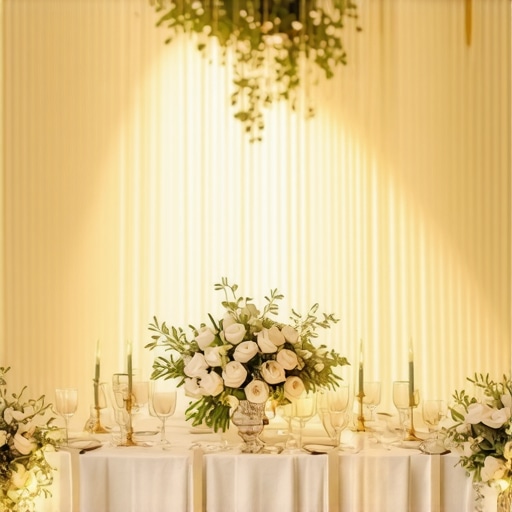 When it comes to hosting successful events, many assume that the biggest differences lie in the menu selection or venue choice, but in reality, the nuances often hide behind the scenes—particularly in how servers and catering staff operate. Let’s dig deeper into common misconceptions that can sabotage your event’s smooth flow. Many clients believe that hiring more staff always leads to better service, but excess personnel can cause confusion and overlap, rather than efficiency. Skilled servers, trained in strategic positioning and proactive communication, are far more valuable than just numbers. Additionally, there’s a widespread myth that all catering styles suit every event type. In fact, matching the service approach—like plated versus buffet—to the event’s atmosphere and guest demographics is critical for success. Overlooking these details often causes delays, awkward moments, or a disjointed experience. One mistake I see often: underestimating the importance of server training in handling dietary restrictions and last-minute changes. A simple lack of preparation here turns a manageable issue into a major problem during the event, damaging attendee trust. Do not forget that even the most well-planned event can derails if your servers aren’t empowered to act confidently and discreetly. This is where advanced training programs come in, emphasizing not just etiquette, but also crisis management and nuanced guest interactions. An example? For corporate functions, having servers who understand the briefing about the company’s culture and event goals can elevate the experience from good to memorable. Moreover, many underestimate the importance of strategic station placement. Poorly located food stations or inefficient flow patterns create long lines and frustration. For premium events, a misstep here may undermine the entire purpose of a luxury experience. To achieve balance, consider what industry experts highlight: the art of optimizing service logistics by integrating modern technology—such as server communication apps—can boost efficiency without increasing headcount. Want to be sure your service team stays ahead? visit this insightful guide on server skills that truly make every event stand out. Finally, many believe that sticking to traditional service methods guarantees timeless elegance. But, in practice, adaptive, personalized service delivery tailored to your guest profile can transform an ordinary gathering into an exceptional affair. It’s worth asking: how does your current approach measure up? Have you ever fallen into this trap? Let me know in the comments.
Keeping It Functional: Essential Tools for Seamless Events
Ensuring your event runs smoothly over time requires more than just expert planning; it demands reliable tools and consistent maintenance. One of my go-to essentials is a robust event management software like EventPro Suite. I rely on it daily for scheduling, vendor coordination, and real-time updates, helping prevent miscommunications that can derail the flow. Additionally, using a digital check-in system streamlines guest arrivals and reduces bottlenecks, which I’ve found invaluable especially for large corporate gatherings.
Implementing inventory tracking technology like RFID tags for catering supplies or rental equipment ensures you’re never caught unprepared. This proactive approach minimizes downtime and keeps everything in top shape for subsequent events. Regularly updating your tools and retraining staff on their use is vital—technology ages quickly, and outdated procedures create vulnerabilities that can cause chaos if left unchecked.
Some professionals look toward advanced communication apps like WalkieTalkiePro to improve staff coordination in real-time, especially during fast-paced moments. Having dependable hardware such as noise-cancelling headsets also enhances clarity, reducing errors or delays during critical service windows. Investing in equipment maintenance schedules, including battery checks and firmware updates, preserves system longevity and reliability.
How do I maintain event tools over time?
Consistent maintenance involves scheduled checkups, staff training, and embracing new innovations. I dedicate time quarterly to review my tech inventory, update software licenses, and assess if newer models or platforms could enhance performance. Staying informed about industry advancements—like smart-table sensors or AI-driven scheduling—allows me to incorporate solutions that future-proof my operations. Moreover, fostering a culture of feedback among staff helps identify pain points early, enabling continuous improvement.
Looking ahead, the trend points toward smarter, more integrated systems that automate routine tasks, freeing up staff for guest interaction. For example, automation tools powered by AI could soon handle staffing adjustments dynamically or predict supply needs before shortages happen.
Don’t wait for a crisis—try implementing a comprehensive maintenance schedule involving your most critical tools, and explore cutting-edge software updates. Doing so will dramatically boost your long-term reliability and elevate guest experiences across your events.
Ask Yourself: How well is your current system holding up?
Review your existing tools and identify gaps or outdated components. Remember, the secret lies in proactive, consistent upkeep—like an expert tuning a finely crafted instrument. By prioritizing maintenance and staying abreast of technological advances, you’re setting the stage for flawless occasions that can scale effortlessly as your reputation grows.

Visualize your event tech at its peak with a professional setup—sharp, synchronized, and secure.
Throughout my journey in event planning and decor, I’ve uncovered that the most enduring beauty comes from intentional choices rooted in authenticity. The secret often lies in embracing the lessons learned from experience—those subtle insights that can’t be found in standard guides. From balancing trends with tradition to personalizing every detail, these lessons elevate your decor from merely beautiful to genuinely meaningful.
The Hardest Lesson I Learned About Wedding Decor and Staff Coordination
- Don’t chase every trend blindly. I once exhausted myself trying to incorporate every new decoration fad, only to realize that timeless pieces, paired with subtle modern touches, deliver more lasting impact. This approach ensures your wedding remains relevant yet classic.
- Staff training trumps sheer numbers. I learned that a small, well-trained team of servers can outperform a larger, less-prepared crew. Investing in their skills, especially in handling last-minute requests or dietary restrictions, makes a noticeable difference in guest satisfaction.
- Personal touches forge genuine connection. Incorporating family heirlooms or meaningful symbols into decor elevates the experience, making it memorable beyond aesthetics. These details speak to authenticity and shared history, resonating across generations.
- Simplicity enhances elegance. I found that a carefully curated focal point, like a stunning floral arrangement or a beautifully designed table, often speaks louder than cluttered, overly decorated tables. Less truly is more in creating a sophisticated atmosphere.
- Test your vision before the event. Building mock setups or mood boards helped me catch potential mismatches early, saving time and anxiety on the big day. This proactive step is invaluable in fine-tuning your decor concept.
My Essential Toolkit for Wedding and Event Decor Success
- Innovative wedding theme ideas. Staying inspired is key, but I trust this source for fresh yet timeless concepts that can be adapted to any event.
- Event planning checklists. They are my backbone, ensuring no detail slips through, especially when managing multiple vendors and setups.
- Server training programs. Well-trained servers elevate the experience, and I rely on industry-specific modules to keep my team prepared and confident.
- Venue and catering insights. Choosing the right venue and matching it with the decor style is crucial for cohesion and impact. This resource helps me pick the perfect pairings.
Your Turn to Add a Personal Touch
If you’re ready to craft decor that’s both timeless and personalized, remember that the true power lies in authenticity and strategic simplicity. Use your insights, trust the foundational elements, and don’t be afraid to incorporate meaningful details—it’s those touches that turn an ordinary event into an unforgettable memory. The future of event decor is about balance: blending tradition with individual stories to create spaces that resonate long after the last guest leaves. Now, tell me—what’s one personal detail you’re excited to weave into your next wedding or event? Share your thoughts below!