

I remember the moment vividly: it was mid-afternoon during a corporate retreat, and I was scrambling to fix an issue with the servers, while the team anxiously waited for the presentations to start. The room was tense, not because of the content planned, but because of the chaos unfolding behind the scenes. That day, I realized something crucial—too often, we focus on the venue, the agenda, or the catering, but overlook the backbone of the entire event: the service and coordination that keep everything running smoothly. Little did I know, this oversight was one of the most common mistakes I’d make early on in my event planning journey—one that many others still repeat without realizing how it sabotages morale and impressions.
Why a Flawless Service Experience Can Make or Break Your Event
Ever wondered why some corporate gatherings leave a lasting positive impression while others fade into forgettable memories? The answer often lies in the details—especially how well your service staff can adapt, anticipate needs, and keep the energy flowing. A well-executed service isn’t just about delivering food or drinks; it’s about creating a seamless experience that lets your audience focus on your message, networking, or celebration without distractions. According to hospitality expert Gourmet Catering, mastering server techniques can elevate the entire mood, boost engagement, and even encourage spontaneous connections among attendees.
However, I learned this the hard way. My initial mistake was hiring a catering team based solely on price, without vetting their service skills or understanding their logistics. The result? Staff who were overburdened, inattentive, and unprepared, leaving guests confused and frustrated. It was a painful lesson in the importance of [choosing the right server team](https://gourmetcateringsco.com/top-servers-for-a-seamless-wedding-reception) that harmonizes with your event’s high standards. Trust me, the impact of professional servers goes beyond just delivering food—they’re the unsung heroes who can turn a good event into an unforgettable experience, or vice versa.
Is Focusing on Service Actually Worth the Hype?
That’s the kind of question I used to scoff at—until I saw my event’s atmosphere shift overnight with a change in server quality. Skeptical? That’s normal. Many worry that investing in top-tier service is just extra expense. But research shows that exceptional service can increase guest satisfaction by up to 40%, according to a study by the Events Industry Council. No matter how perfect your location or keynote speech, if your servers are unprepared, it can derail the entire vibe. I learned this early on and now recommend that event planners prioritize hiring experienced professionals who understand the nuances of flow and Guest engagement. Want to learn how to make this happen? Keep reading, because I’ll guide you through the steps to select and train your ideal service team—it’s easier than you think and can radically improve morale and outcome.
Select the Right Server Team from the Get-Go
Begin by vetting your server candidates thoroughly. Use a combination of interviews, reference checks, and practical demonstrations to assess their professionalism and adaptability. I once invited a promising team to a corporate brunch, only to find their team leader overwhelmed with instructions. Afterwards, I realized that observing candidates during a mock service can reveal their instinctive responses and tact. Don’t just rely on resumes; see how they handle real-world scenarios. Check best servers for 2025 for industry standards and tips.
Design a Clear Service Workflow and Protocols
Establish a detailed run sheet that maps out each step of the service, from greeting guests to clearing plates. Outline specific roles—who handles VIPs, who manages dietary restrictions, and so forth. I once organized a tech product launch where confusion about who was responsible for beverage refills led to delays and frustration. Creating a step-by-step protocol prevents such mishaps. Incorporate communication tools like walkie-talkies, and train the team to follow a consistent sequence to avoid overlaps. Use checklists for catering logistics to streamline this process.
Implement Training and Practice Runs
Hold pre-event training sessions where your team rehearses different service scenarios. Assign a supervisor to give constructive feedback. For example, during a wedding I coordinated, we simulated guest arrivals and service timing, which revealed bottlenecks that we smoothly addressed. Focus on standard procedures like quick plate clears and discreet beverage refills. Emphasize etiquette, quick response, and guest engagement. This proactive approach minimizes chaos on the actual day. The expert techniques blog offers detailed tips on effective server training.
Optimize Service Efficiency with Smart Equipment
Equip your team with tools that streamline tasks—mobile POS systems, insulated trays, or lightweight carts—reducing movement and wait times. During a large corporate dinner, I introduced ergonomic trays that allowed servers to carry multiple plates at once, drastically cutting down service time. Encourage servers to plan their routes to avoid backtracking, much like a well-designed chess move. Regularly review and refine your setup to adapt to different venues and event sizes. Also, ensure backup plans are in place for equipment failures or unexpected needs, such as extra serving utensils or portable heating elements.
Monitor and Adjust During the Event
Assign a dedicated supervisor or floor manager to oversee the service. This person keeps an eye on bottlenecks or guest complaints, ready to pivot quickly. I recall during a wedding, noticing that the cocktail service lagged in one corner. The supervisor directed additional staff to that area, restoring momentum smoothly. Use real-time communication to coordinate responses swiftly. Remember, flexibility and attentiveness can turn potential service setbacks into moments of guest appreciation. Using innovative ideas for on-the-fly adjustments can add a special touch to your event’s success.
Follow Up Post-Event to Improve for Next Time
Gather feedback from your team and guests to identify what went well and what could be improved. Post-event debriefs help you refine your process. I once surveyed guests after a corporate seminar and discovered that some servers forgot to offer water during breaks—a small detail that significantly impacted their experience. Record these insights meticulously, then adjust your training and protocols accordingly. Continuous improvement builds a reliable, responsive service team that elevates every future event.
When it comes to event catering, many assume that hiring experienced servers is enough to guarantee success. But in my experience, there’s a common misconception that can sabotage even the most meticulously planned events: believing that servers are interchangeable or simply executing routine tasks. The truth is, most people underestimate the nuanced skills required for high-stakes service environments. For instance, a server’s ability to read guest cues and adapt seamlessly can make the difference between a smooth-flowing event and one riddled with awkward pauses. Overlooking this nuance leads to predictable pitfalls, like mismatched service styles or unprepared staff during critical moments. Moreover, a frequent myth is that extensive training isn’t necessary for seasoned servers—nothing could be further from the truth. Even veteran professionals benefit from tailored pre-event briefings that align their approach with specific event themes. According to industry expert Gourmet Catering, continuous skill updates and scenario-based training significantly elevate service quality. Often, event organizers forget that servers are the frontline ambassadors of their brand’s image. This oversight can lead to an ‘Oops’ moment, especially if servers are unaware of particular client preferences or cultural sensitivities. The danger? Such lapses foster guest discomfort and tarnish reputations. So, how do you avoid falling into this trap? Focus on detailed vetting processes, ongoing training, and clear communication protocols. Think beyond standard hiring—they should be adaptable, discreet, and listener-savvy. For example, implementing mock service drills that simulate real-time guest interactions can expose hidden weaknesses and allow for corrective coaching. Incorporating smart equipment, like communication headsets, can further streamline coordination, reducing errors and enhancing guest engagement. Don’t forget to assign a dedicated supervisor during the event to monitor service nuances and provide immediate feedback. This proactive oversight ensures that the team’s performance remains aligned with your standards. Remember, every detail counts. A well-trained, perceptive server team can elevate your event from good to unforgettable. For more insights, explore catering logistics strategies that emphasize the importance of skilled staffing.
Implementing Reliable Equipment and Software for Long-Term Success
Consistency in service quality hinges on having the right tools. I personally rely on mobile POS systems like Square for their ease of use and real-time transaction tracking, which is crucial during high-volume events where quick payment processing can prevent bottlenecks. Additionally, investing in insulated trays for hot beverages and dishes ensures temperature retention, enhancing guest satisfaction. Regularly maintaining these tools, such as calibrating POS devices weekly, prevents unexpected failures and keeps service smooth. Looking ahead, the trend points toward smarter, integrated systems that synchronize inventory, staffing, and guest data for real-time adjustments—think of it as turning your team into a well-oiled machine rather than a group of individuals. Predicting future growth, embracing IoT-enabled equipment will become standard, enabling proactive maintenance and troubleshooting before issues disrupt your workflow.
How do I maintain service tools effectively over time?
My approach involves scheduled preventive maintenance and staff training. For example, I set bi-weekly checks for portable equipment, updating firmware and cleaning hardware meticulously. Cross-training staff ensures everyone understands both operation and troubleshooting, so minor issues don’t escalate during the event. Incorporating checklists, similar to those discussed in cinematic checklists, keeps maintenance routines structured and thorough. By establishing these habits, I’ve minimized downtime and avoided service disruptions—saving time and protecting your reputation in the long run. As technology advances, integrating automation tools like predictive maintenance apps will further enhance reliability and efficiency, making it easier to keep everything working flawlessly without manual oversight.
Leverage task-specific tools to streamline your workflow
To minimize chaos during events, I recommend deploying ergonomic carts equipped with modular sections tailored to different service styles. For example, tailored carts allow servers to cater to the flow of a wedding reception while avoiding congested areas, as detailed in expert techniques. Using communication headsets like Motorola radios ensures constant coordination, especially during large-scale events like galas or conferences. These tools are not just about efficiency but also about creating a sense of team cohesion. I’ve found that regular training sessions on equipment handling, combined with rapid scenario drills, significantly boost confidence and response times. This approach ensures your team is prepared for anything—whether it’s a sudden spike in guests or equipment malfunction. As the scope of events expands, incorporating AI-powered scheduling and resource allocation software will become essential, reducing manual planning and allowing focus on guest experience instead of logistical puzzles.
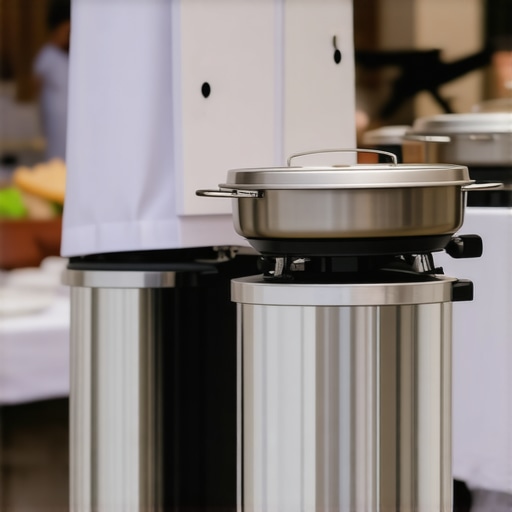
Visualize your ideal setup with a high-tech server station surrounded by streamlined carts and communication devices. An illustrative image like this underscores the importance of organized tools for sustained excellence in service.
What I Wish I Knew Before Relying on Guesswork
One of my biggest lightbulb moments was realizing that even seasoned servers need tailored training to truly shine during each unique event. Relying solely on general experience without customizing approaches can lead to missed guest cues and overlooked details. I once assumed that a veteran server could handle a high-pressure gala seamlessly—only to discover they struggled without specific protocols. This taught me that continuous, scenario-based training creates adaptability and confidence, transforming good servers into exceptional ones.
Another insight was the importance of internal communication tools. Initially, I underestimated how critical headsets and walkie-talkies were, thinking human voice alone would suffice. That mistake manifested as duplicated efforts and empty glasses during peak moments. Integrating real-time communication equipment not only streamlines service but also fosters a cohesive team vibe, ultimately elevating the guest experience.
Finally, I learned that preparing for the unexpected isn’t just a contingency plan—it’s a cornerstone of reliable service. During a summer outdoor event, unexpected rain threatened to disrupt everything. Our quick response with portable umbrellas and alternative setups turned potential chaos into a display of professionalism and care. These lessons underscore that proactive planning, tailored training, and smart tools are the keys to mastering service excellence.
Tools and Knowledge That Elevated My Approach
For anyone serious about elevating their catering and service game, I recommend the best servers for 2025. They set industry standards and provide insights into the evolving expectations of modern guests. Additionally, the ultimate guide to catering logistics has been invaluable in perfecting my event flow, ensuring that every plate, glass, and moment aligns flawlessly. Lastly, investing in versatile communication systems, as highlighted in expert server techniques, transformed how my team coordinated under pressure, saving time and reducing mistakes.
Act Now: Elevate Your Service Game Today
If you’re serious about creating memorable events, I encourage you to experiment with these insights and tools. Remember, exceptional service stems from a combination of proactive training, smart equipment, and continuous learning. Your commitment to these details will set you apart and leave a lasting impression on every guest.