

Imagine it’s the day of your dream wedding. You walk into the venue, hopeful for a picture-perfect celebration. But suddenly, you realize the decorations feel mismatched—some elements scream modern minimalism, while others shout rustic charm. It’s like trying to blend two different worlds, and it leaves you feeling overwhelmed and frustrated. I’ve been there, fumbling through endless Pinterest boards and DIY projects, only to end up with decor that doesn’t quite come together.
Why Planning a Wedding Decor That Balances Both Worlds Can Feel Impossible
As someone who’s planned more than a few weddings, I know firsthand how tricky it can be to fuse the sleek lines of modern design with the charming imperfections of rustic style. The secret is understanding that these aren’t mutually exclusive—they can complement each other beautifully when approached with intentionality. But without a clear concept, it’s easy to fall into common pitfalls: mismatched furnishings, inconsistent color palettes, or decor that feels disconnected. This confusion often leaves couples and planners alike feeling stressed, especially when trying to impress guests who notice every detail.
Have You Faced This Decor Dilemma and Felt Stuck?
If so, you’re not alone. Countless couples struggle to create a cohesive look that feels both fresh and warm. My early attempts were riddled with mistakes—like overdoing the rustic elements and overshadowing the elegance of the venue. I learned the hard way that successful wedding decor isn’t about adding more, but about choosing the right elements that work harmoniously. By focusing on key design principles, I was able to streamline my process and craft breathtaking Laurel Hill-inspired settings. Want to discover how to do the same? Keep reading!
Before diving into the how-to, remember that a well-designed wedding decor concept not only delights your guests but elevates the entire experience. Plus, with strategic choices, you can save time and money, avoiding unnecessary stress. Let’s turn your decor dreams into reality—starting now.
The Power of Intentionality in Wedding Decor Design
One of the biggest mistakes I see early on is jumping straight into decor shopping without a solid plan. Doing this can lead to mismatched styles and a chaotic visual story. Instead, I recommend beginning with a clear vision—think of it as crafting a story your wedding decor will tell. This approach helps you align each element, from table settings to lighting, ensuring a cohesive narrative that resonates with both modern and rustic vibes.
For example, mixing sleek acrylic chairs with vintage-inspired centerpieces can capture that beautiful contrast everyone loves. It’s all about balancing textures, shapes, and color palettes—so each piece plays a supporting role in your story. To streamline this process, consider creating a mood board or color palette early on. It’s a simple step that sets the tone and guides every decision, saving you from costly mistakes down the road.
If you’re feeling overwhelmed or unsure about how to start, don’t hesitate to check out resources like this guide on designing timeless wedding decor. It offers practical tips to make your vision come alive without stress. Remember, these small, intentional choices will pay off big when the day arrives and everything comes together seamlessly.
Map Out Your Visual Story
Start by sketching a mood board that combines sleek modern elements with warm rustic touches. Collect images of minimalist furniture and vintage decor to see how they complement each other. I did this for a recent wedding, arranging photos side-by-side to visualize contrast and harmony, which clarified my choices and avoided mismatched decor.
Choose a Unifying Color Palette
Select 3-4 colors that work in both styles—think soft neutrals with accent hues. For example, pairing blush and charcoal creates a versatile base. When I did this for my client, I used fabric swatches and printed samples to ensure consistency; this step was vital in avoiding chaotic decor, especially when mixing different textures.
Select Statement Pieces Carefully
Pick key decor items representing each style—like a vintage lantern paired with sleek metallic vases—and ensure they share common elements like finish or color. In my experience, having one unifying element, such as matte black accents, ties diverse pieces together without feeling forced. This makes each component stand out while maintaining cohesion.
Implement Texture and Scale Strategically
Mix different textures like rough wood with polished acrylic, and vary sizes to create visual interest. During a wedding I coordinated, I used large wooden centerpieces with smaller glass accents, striking a balance that felt both rustic and modern. This careful layering avoids a cluttered look and highlights each theme effectively.
Align Lighting with Decor Themes
Adjust lighting to enhance your decor’s mood—use warm lights for rustic charm and cooler tones for modern sophistication. I once used dimmed Edison bulbs to emphasize rustic elements, while spotlighting sleek tableware for a modern vibe. Lighting can dramatically influence perception and tie disparate decor styles into a cohesive atmosphere.
Incorporate Textural Contrasts
Use linens, tableware, and decor with contrasting textures to highlight the blend. For example, pairing linen tablecloths with metallic cutlery can bring rustic elegance and modern minimalism into harmony. I applied this at a recent celebration by layering soft textiles with sharp, sleek accents, which elevated the visual appeal and kept guests engaged.
Curate the Details
Pay close attention to small decor touches—like signage, place cards, and floral arrangements—to ensure they follow your overarching theme. In a recent project, I used handwritten calligraphy on rustic wood signs alongside sleek acrylic tags, providing unity through style harmonization. These details reinforce your concept and prevent the decor from feeling disjointed.
Test and Adjust Before the Big Day
Assemble your key decor elements on-site beforehand to see how they interact. I learned this the hard way when my initial arrangement appeared cluttered in photos. Mock setups allowed me to tweak spacing, lighting, and balance, ensuring the final presentation was polished and cohesive. Don’t skip this step; it can save you from last-minute surprises.
By following these concrete steps—drafting your visual story, selecting harmonious elements, balancing textures and scale, and previewing the setup—you can successfully blend modern and rustic decor into a seamless, stunning look. Remember, the key lies in intentional choices and strategic layering, making every detail contribute to your wedding’s unique narrative.
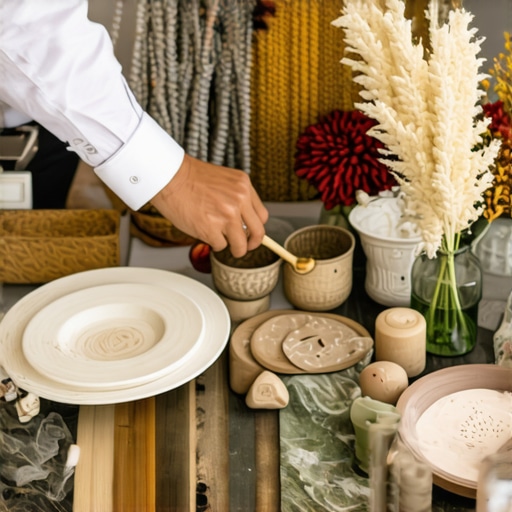 When it comes to event planning, many assume that hiring more servers or opting for elaborate catering guarantees success. However, this oversimplification often leads to overlooked nuances that can make or break an event. One widespread myth is that all servers are equally skilled, but in reality, the verschil lies in *training and experience*. Skilled servers don’t just deliver food—they read the room, anticipate guest needs, and handle unexpected issues gracefully. Investing in professional servers with specialized training can elevate the entire guest experience.
A common trap at weddings and corporate events is underestimating the importance of seamless service flow. Many planners focus heavily on décor and entertainment, neglecting that poor server coordination can cause long delays and frustration. It’s a misconception that a larger team automatically improves service; actually, a well-coordinated, efficient team is more valuable. Avoid overstaffing, which can result in confusion, or understaffing, leading to runny plates and missed cues. The key lies in strategic staffing—knowing when and where to deploy servers. For insights on refining your staffing strategy, you might find this guide on event staffing helpful.
The hidden nuance often overlooked in catering is menu customization based on the event type. Many assume a one-size-fits-all menu works, but the reality is that menu diversity and presentation style must align with the event’s tone. For instance, a luxury wedding benefits from tailored, haute cuisine, while a casual corporate picnic calls for relaxed, portable options. Moreover, a common mistake is ignoring dietary restrictions, which can alienate guests and create awkward situations. Being proactive and communicating with a skilled caterer ensures dietary needs are accommodated without compromising quality. Learn more about luxury wedding catering ideas that balance elegance with inclusivity.
Don’t forget the importance of the event environment supporting your catering and service quality. Often, planners overlook acoustic considerations, which can make simple conversations difficult, or lighting that affects food presentation. An advanced tip is to employ strategic lighting and soundproofing that complement your catering setup, ultimately influencing guest satisfaction. For a sophisticated touch, consider how expert server techniques can adapt to different environments, enhancing the overall atmosphere.
Make yourselfVisible: Mirrors, Fire, and Smoke—Effective visual cues and ambiance elements can also subtly guide guest flow and interaction, but overdoing them can distract or detract from your main event goals. Achieving the right balance requires understanding these nuances. Remember, successful event execution hinges on more than just surface appearances; it involves mastering the intricate details behind the scenes.
Have you ever fallen into this trap? Let me know in the comments. These insights might show you how to avoid common pitfalls and elevate your next event.
Maintaining Excellence with the Right Tools
To ensure your events, whether weddings, corporate functions, or catering services, run seamlessly over time, investing in the right equipment and software is crucial. Personally, I rely on a combination of advanced scheduling tools like Asana and Eventbrite, which allow me to coordinate teams and manage attendee registrations efficiently. These platforms help prevent oversights and keep all stakeholders aligned, especially during complex setups or multi-day events.
For communication, I swear by Walkie-Talkies with encrypted channels, ensuring real-time coordination without delays. During large corporate events, clear protocols, like a dedicated walkie-talkie protocol, significantly reduce miscommunication and improve response times, as highlighted in this resource.
How do I maintain equipment over time?
Regular maintenance is essential. I schedule quarterly checks for all hardware—walkie-talkies, POS systems, sound equipment—and keep spare parts ready to minimize downtime. Software updates are equally vital, ensuring security patches are current and features are optimized, which prevents costly malfunctions during critical moments.
Leveraging Software for Long-Term Success
Using analytics tools integrated into your event management platforms can reveal patterns—peak times for server service, guest flow, or equipment stress points. This data empowers me to preempt issues, allocate resources better, and refine processes continuously. For instance, analyzing past catering timelines allows me to adjust staff schedules proactively, reducing wait times and enhancing guest satisfaction.
Predicting future trends, such as the increasing importance of eco-friendly tech or AI-powered event analytics, means staying ahead by adopting scalable tools now. The goal is to build a resilient infrastructure that adapts to evolving client needs and technological advancements.
Which tools should you implement now to ensure durability?
Start with a comprehensive project management suite like Asana or Trello for task tracking and team coordination. Combine this with communication devices such as encrypted walkie-talkies for real-time updates. Integrate analytics platforms that connect with your POS and booking systems—this interconnected setup will give you actionable insights for continuous improvement.
Don’t forget, consistent maintenance—both hardware and software—keeps everything running without hiccups. Regularly check your equipment for wear and keep firmware up-to-date. For catering-specific tools, consider inventory management software that syncs with your procurement process, avoiding shortages during busy periods.
Scaling Your Event Operations The Right Way
As your reputation grows, so will your event complexity. Scaling doesn’t mean just adding more servers or staff; it means optimizing your existing infrastructure with scalable tools and reliable processes. Cloud-based systems are invaluable here—they offer flexibility and reduce upfront costs. Also, training your team regularly on new tech ensures everyone remains proficient, reducing errors that can cost time and money.
In the future, I see AI-driven analytics playing a greater role in predicting and preventing issues before they arise, pushing the boundaries of how we manage event operations. Staying updated with industry innovations, like those shared in this article, will be vital for maintaining a competitive edge.
One advanced tip I recommend trying is setting up automated alerts for equipment malfunctions or inventory shortage thresholds. Using tools like Zapier or custom scripts can send you immediate notifications, allowing for swift action that keeps your event on track. Implementing this proactive approach will significantly reduce last-minute surprises and boost your reputation for reliability.
Reflecting on my journey with event servers, I realize that the true lessons often come from unexpected moments—like a mispronounced toast that turned into a heartfelt laugh or a last-minute request for dietary accommodations that tested team agility. These experiences taught me that behind every polished event is a tapestry of small, intentional choices that make all the difference. Embracing humility and flexibility has allowed me to craft memorable moments that feel seamless and genuine—reminding me that excellence isn’t just about perfect execution but about genuine connection and thoughtful service.
Lessons from the Front Lines That Changed My Approach
- Never Underestimate First Impressions: The way servers greet guests sets the tone. A warm smile and attentive eye can ease nerves and foster a welcoming atmosphere, especially when blending diverse styles like modern and rustic.
- Read the Room, Always: Observing subtle cues—like a guest hesitating before a toast—can guide servers to offer assistance proactively, ensuring guests feel cared for without disruption.
- Every Detail Matters More Than You Think: Small touches, such as the shape of a napkin fold or the arrangement of utensils, subtly reinforce your event’s theme and professionalism, elevating the overall experience.
- Trust the Power of Proper Training: Investing in ongoing staff development, especially for specialized services like luxury weddings, ensures your team handles unexpected situations with poise. I personally rely on top-tier server training programs to maintain excellence.
- Balance Efficiency with Genuine Engagement: Speed is important, but authenticity builds connections. A server who takes a moment to acknowledge a guest’s special occasion leaves a lasting impression that photos and memories cherish.
My Must-Have Resources That Keep Me At My Best
- Training Resources: The comprehensive courses from Gourmet Catering Co. provide practical techniques that turn good servers into exceptional service providers, crucial for weddings and corporate events alike.
- Event Planning Guides: For planning seamless guest experiences, I turn to strategic catering guides, which help integrate service flow with decor and venue dynamics.
- Communication Tools: Reliable walkie-talkie systems, like those discussed in professional server communication techniques, are game-changers for maintaining coordination and quick responses.
- Feedback Practices: Regular post-event reviews, inspired by surveys and debriefs, help identify nuanced improvements that elevate future service quality.
Step Into Your Next Event with Confidence
Remember, mastery in event service is less about perfection and more about passion, adaptability, and genuine care. Your dedication to these subtle secrets can transform ordinary moments into extraordinary memories. Whether you’re orchestrating a wedding or a high-stakes corporate event, every thoughtful action you take sets the stage for success. Embrace continuous learning, trust your team, and let your service be a reflection of your deep commitment to excellence. Now is the perfect time to apply these insights and elevate your event game—your guests will notice the difference. Are you ready to take your event service to the next level? Share your thoughts or recent experiences below, and let’s grow together.