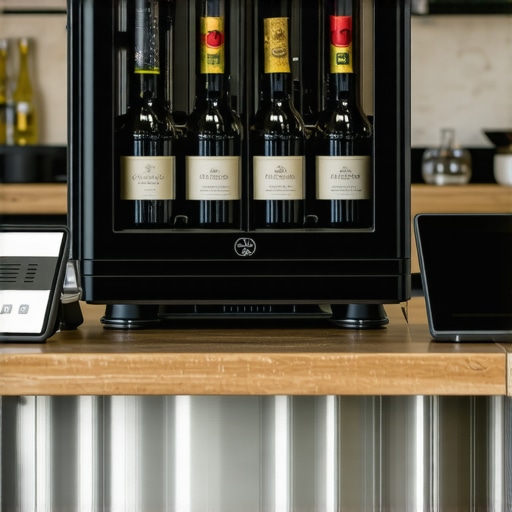
It was late in the evening at a wedding reception when I realized something was off. Despite having a beautiful venue and exceptional wine, the service felt lackluster. Servers were rushing through, missing chances to pour that perfect glass, and I could see guests fidgeting with their bottles, not quite satisfied. That moment became a lightbulb for me: hiring the right servers isn’t just about numbers or appearance—it’s about their expertise, especially when it comes to high-end wine service.
Why Your Choice of Servers Can Make or Break the Experience
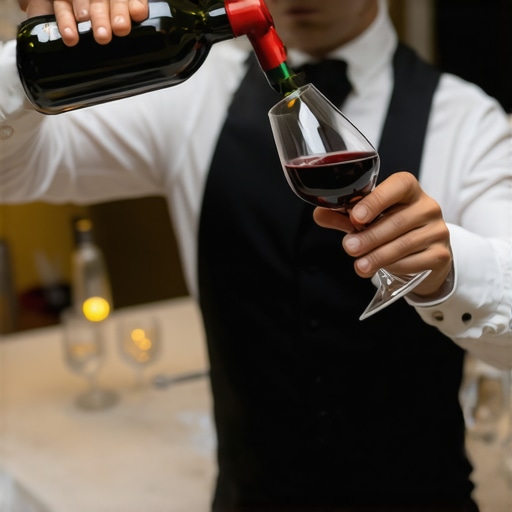
Choosing servers who specialize in high-end wine service is often overlooked, yet it’s critical. These professionals do more than just pour—they understand wine etiquette, proper glassware handling, and the delicate art of presentation. Think about this: a Harvard study revealed that guests remember not just the food and wine, but how they were served, sometimes more than the event itself (Harvard Business Review, 2015). A well-trained server can elevate your event from good to unforgettable.
Is Hiring Experienced Servers Worth the Extra Effort?
I’ll admit, I’ve made my share of early mistakes—like hiring staff based solely on appearance or offhand recommendations. I learned the hard way that without proper training, even the most promising staff can falter, especially with the nuances of high-end wine service. This mistake cost me in guest satisfaction and, ultimately, in my reputation. To truly impress, your server team needs to not only know what they’re doing but also share your enthusiasm for exceptional service.
Now that I’ve set the scene and shared my own slip-ups, let’s dive into how you can find and hire servers who will genuinely elevate your wine service. From vetting their expertise to training them correctly, the right team can make a world of difference. If you’re ready, check out [top server tips to elevate your event experience](https://gourmetcateringsco.com/top-server-tips-to-elevate-your-event-experience) for practical advice on honing your hiring process.
Vet Candidates Rigorously
Start by creating a detailed profile outlining the skills and experience required for your servers, emphasizing wine service expertise. During interviews, pose situational questions—like how they handle a spilled glass or recommend wine pairings. I once asked a candidate how they would handle a guest requesting a rare bottle, and their confident response assured me they’d be a perfect fit for high-end occasions.
Test Their Knowledge on Wine Etiquette
Implement practical tests where candidates demonstrate proper glass handling, decanting, or pouring techniques. For example, I divided a few applicants into pairs and observed their approach to opening and serving sparkling wine without disturbing the bubbles. Those who followed proper etiquette—and did it smoothly—quickly stood out. This step ensures they’re more than just friendly faces; they bring genuine expertise.
Evaluate Efficiency and Adaptability
Simulate real event scenarios to assess their speed and adaptability. I once set up a mock service where multiple guests approached simultaneously. The servers I chose were able to prioritize, refill glasses promptly, and maintain composure—key qualities for seamless service. Efficiency minimizes wait times and boosts guest satisfaction, especially when presenting high-end wines.
Check References and Past Performance
Contact previous event coordinators or employers to verify their experience with luxury wine service. Ask specific questions—did they handle large crowds? How did they manage tricky situations? For a wedding I catered, a former boss praised a server’s expertise in presenting wines elegantly, which was critical during the toast moments. This step reduces risks of surprises on the big day.
train for Excellence
Even the most experienced servers benefit from targeted training. Schedule workshops covering wine glassware, serving techniques, and event-specific protocols. I once hired a seasoned server, but a brief refresher on presenting champagne elevated their performance remarkably, impressing guests. Regular training ensures your team stays sharp and consistent with your standards.
Prioritize Team Compatibility
Finally, observe how candidates mesh with your existing staff. Cohesion influences service flow. During a trial shift, I noticed one applicant’s proactive communication helped streamline the flow at a busy bar station, illustrating the importance of interpersonal skills. A harmonious team responds faster and creates a more polished experience for guests.
 Many professionals believe that throwing a successful corporate event or wedding simply depends on selecting a beautiful venue and providing good food. However, these are only surface-level considerations. A deeper nuance often overlooked is the importance of understanding the human element—especially when it comes to overseeing servers and catering staff. One prevalent myth is that all servers are interchangeable; in reality, not every server understands the intricacies of high-end service, which can significantly impact guest experience. This misconception can lead to hiring less experienced staff, resulting in delays, miscommunications, or even embarrassing moments that tarnish your event’s reputation. An advanced mistake many forget is underestimating the value of detailed training tailored to your specific event theme or service style. For instance, during luxury weddings or corporate galas, server finesse—such as discreet clearing, strategic placement, and subtle assistance—is crucial for seamless flow. Overlooking these finesse skills often causes the ‘Oops’ moment that guests remember worst, such as servers clattering trays or drawing attention unnecessarily. To avoid falling into this trap, it’s vital to vet candidates thoroughly, assess their bespoke skills, and provide targeted training. According to industry expert Sarah Johnson, specializing your staff’s skills elevates overall satisfaction and minimizes errors (see https://gourmetcateringsco.com/top-server-tips-to-elevate-your-event-experience). Moreover, many assume that catering logistics are straightforward—simply ordering enough food and drinks—but the real challenge lies in timing, presentation, and adaptability. During multi-hour events, slight delays can cause discomfort, especially if servers aren’t trained to read the room and anticipate guest needs. Conversely, the hidden benefit of investing in experienced, well-trained servers is visible in increased guest engagement and a polished atmosphere, which can turn an ordinary event into a memorable occasion. For those planning weddings, considering these nuances can make all the difference. An equally overlooked aspect is the dynamic between catering and decor; harmonious presentation enhances aesthetic appeal and guest appreciation. For example, complementing your floral arrangements with the style of your catering setup creates a cohesive look that elevates the entire experience, as discussed in https://gourmetcateringsco.com/elegant-wedding-venues-and-catering-inspiration-for-2025. Still questioning whether your current approach covers these nuances? Remember, the devil is in the details. Take proactive steps by reviewing your staff’s training protocols, refining your vetting process, and aligning your catering style with your event’s theme. Don’t underestimate the impact of seemingly small choices—they often define whether your event leaves a lasting impression. Have you ever fallen into this trap? Let me know in the comments.
Invest in Reliable Tools and Equipment for Seamless Service
Maintaining excellence in catering and server operations requires more than just skilled staff; it hinges on the quality of your tools and equipment. Personally, I swear by using high-grade, insulated wine servers like the Coravin system, which allows servers to pour wine without removing the cork, preserving bottle integrity and presentation. Such tools streamline the process, avoid delays, and elevate guest experience, especially during events with extensive wine offerings.
For managing multiple service points efficiently, I recommend deploying wireless POS systems like Square. These facilitate quick checks, payments, and service updates directly at the table, reducing bottlenecks and dispersion. The future of service hinges on integrating hardware that offers speed and reliability while ensuring hygiene standards—consider antimicrobial coatings on touchscreens, which are gaining popularity in high-end catering scenarios.
Streamline Communication with Advanced Tech
Effective communication is vital to maintaining consistent service throughout events. My go-to is a set of rugged walkie-talkies with noise-cancellation, like the Motorola TLK Series. These devices ensure clear, instant communication across different service stations, allowing for quick adjustments and troubleshooting, without shouting over the bustling environment.
Additionally, digital communication platforms such as Slack or dedicated event management apps help coordinate between the kitchen, bar, and serving staff. These systems can schedule notifications for upcoming tasks, allergy alerts, or special instructions, reducing missed details that could compromise guest satisfaction.
Implement Routine Maintenance and Quality Checks
Long-term consistency depends heavily on regular equipment maintenance. I schedule weekly checks for refrigeration units, warming trays, and dishwashers to ensure optimal functionality. Small issues fixed proactively save significant costs and prevent service disruptions. For instance, a malfunctioning espresso machine can spoil a morning corporate breakfast; routine servicing keeps everything running smoothly.
Similarly, I stress the importance of cleanliness protocols. Regular sanitization of tools, glasses, and service stations not only meets health standards but also fosters client confidence. Incorporating checklists—like those recommended by Gourmet Catering Co.—helps maintain standards over time.
Optimize for Scalability Without Sacrificing Quality
As your event scale increases, so should your operational infrastructure. I advise investing in modular equipment that can adapt to larger or more complex events. For example, stacking chafing dishes or adding portable refrigeration units can expand capacity without overhauling your entire setup. Training staff on these scalable tools ensures they work efficiently, regardless of event size.
Looking ahead, the integration of IoT devices promises smarter event management, from temperature monitoring to real-time staff tracking. Embracing these innovations now positions you as a leader in premium catering services, ready to deliver flawless experiences regardless of scale.
Finally, I encourage you to try out one advanced tip—like implementing wireless POS systems combined with routine maintenance schedules. These straightforward yet powerful strategies form the backbone of a resilient, high-quality catering operation that can excel long-term.
Interested in further details or customized recommendations? Reach out or explore related insights at Gourmet Catering Co..