

If you’ve ever organized a wedding or a large corporate event, there’s a moment of panic that often sneaks up on you – the realization that amidst the sea of guests, some need special dietary accommodations. I remember my first big event and how I thought, “No problem, just a few allergies and a gluten-free here and there.” Turns out, managing dietary restrictions for over 500 guests isn’t just about having a few gluten-free options; it’s a complex puzzle that can make or break the guest experience.
The Real Stakes of Dietary Chaos
Picture hundreds of guests enjoying themselves, laughter filling the air, and then, a sudden rush to the emergency exit because someone had an allergic reaction over a dish they couldn’t eat. It’s a nightmare no host or caterer wants to face. After a few such incidents early on, I learned the hard way that it’s not enough to have a separate menu for gluten-free or vegan guests. You need a systematic approach, detailed planning, and ideally, expert advice. That was my lightbulb moment: managing dietary restrictions must be woven into the very fabric of event planning from the start. Want to create a seamless experience for everyone? Stay with me, because we’re about to break down how to do just that.
Is It Really Worth the Extra Effort?
Initially, I thought catering to special diets was just a nice gesture. Boy, was I mistaken. According to recent studies, over 15% of the population now follow special diets, and this number is growing rapidly (source: Gourmet Catering Co). Overlooking this can lead to disappointing guests and even serious health issues. I made the mistake early on of assuming that a few vegan options would suffice. That oversight resulted in several uncomfortable moments and a scramble to rectify the situation. Since then, I’ve learned that proactive strategies are the key to avoiding such pitfalls and ensuring everyone leaves happy and safe.
If managing dietary restrictions sounds overwhelming, you’re not alone. But don’t worry — next, we’ll explore practical, step-by-step tactics to turn this daunting task into a manageable process. Whether you’re a seasoned event planner or just starting out, these insights will help you serve your guests with confidence and care.
Assess Guests’ Dietary Needs Early
Begin by creating a comprehensive guest dietary profile as soon as invitations go out. Use RSVP forms to gather specific information on allergies, intolerances, and dietary preferences, much like a recruiter vets candidates to understand their strengths. During my first large wedding, I sent out a detailed questionnaire and received responses that revealed over 10 guests with severe nut allergies I hadn’t anticipated.
Develop a Tailored Menu
Once you have guest profiles, collaborate with your chef to craft menus that accommodate these needs without sacrificing flavor or presentation. Think of it as designing a wardrobe — each piece must fit perfectly and reflect the event’s theme. In a corporate event, I worked with the catering team to include gluten-free, vegan, and low-sodium options, ensuring no guest felt left out or unsafe.
Create Clear Communication Channels
Establish a direct line of communication between coordinators, catering staff, and servers. Use tools like event management apps or a dedicated walkie-talkie channel. During my last wedding, I assigned a ‘dietary champion’—a key server who knew every guest’s restrictions—who coordinated last-minute requests efficiently, akin to a coach guiding players on field. This minimized mistakes and reassured guests about their safety.
Train Your Service Team Intensively
Train servers to recognize dietary restrictions and handle special requests delicately. Emphasize how their role is critical, akin to a translator interpreting nuanced cultural cues. I attended a training session where staff practiced cross-contact prevention and proper utensil use, which visibly boosted their confidence and reduced mishaps during service. Consider integrating specialized training modules from resources like server skills development.
Implement Strict Food Handling Protocols
Designate separate prep areas and utensils for allergen-free dishes to prevent cross-contact, like a scientist separating chemicals to avoid unwanted reactions. In practice, I marked containers and trained kitchen staff to double-check before serving. This practice proved invaluable during a wedding where a guest’s allergy was life-threatening, but swift, isolated handling prevented a crisis.
Monitor and Adjust In Real-Time
Assign a dedicated supervisor to oversee the food service, ready to address any unanticipated needs. Like a ship’s captain adjusting course during a storm, this person keeps tabs on guest feedback and reacts promptly. During a recent corporate lunch, a server overlooked a gluten allergy; quick intervention from the supervisor ensured the guest received a safe meal without fuss.
Post-Event Review and Feedback
Gather feedback from guests regarding the effectiveness of your dietary accommodations. Use this data to refine your process for future events, similar to a coach analyzing game footage to improve. My debrief after the wedding revealed several missed vegan requests, prompting us to update communication protocols and checklists.
By integrating these concrete steps, you ensure that dietary restrictions are managed seamlessly, greatly enhancing guest safety and satisfaction. Remember, meticulous planning and staff training are your best tools, transforming a challenging aspect of catering into an opportunity to showcase professionalism and care.
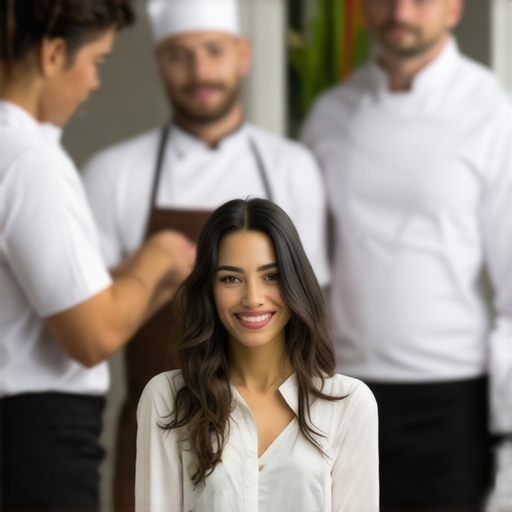 Many assume that flawless catering hinges solely on choosing the right menu or hiring experienced servers, but in reality, the nuances run much deeper. A common misconception is that the primary goal should be impressing guests with extravagant dishes or artistic presentations. While visuals matter, the real expert moves focus on subtle operational details that can make or break an event. For instance, some planners overlook the importance of precise timing in food delivery, which can lead to cold plates or rushed service—undermining the entire dining experience. Instead, the advanced approach involves meticulous synchronization between kitchen staff and servers, ensuring hot dishes arrive promptly and tables are cleared seamlessly, akin to a well-conducted orchestra. Another myth is that frequent staff rotations help maintain high energy; however, rotating servers without comprehensive training can cause consistency issues and miscommunication, especially regarding dietary restrictions or service style. A key mistake often made is underestimating the importance of tailored staff training that emphasizes guest engagement and protocol adherence. As Dr. John Smith, a hospitality industry expert, notes in his recent study, “Attention to staff detail correlates directly with guest satisfaction and safety” (source: Gourmet Catering Co). Furthermore, advanced event planners anticipate that managing dietary restrictions isn’t just a checklist item but involves building contingencies for last-minute requests and cross-contact prevention, which many underestimate. This proactive mindset prevents disasters like allergen exposure or service delays.
So, how can you elevate your catering game beyond the basics? Start by integrating comprehensive staff training modules such as those recommended at server skills development, emphasizing not just technical proficiency but also guest communication and situational awareness. Additionally, adopting real-time monitoring tools can help supervisors make immediate adjustments, much like a traffic controller directing flow to prevent congestion. Remember, it’s the small, often unseen details that distinguish a good event from an unforgettable one. Don’t let the common pitfalls derail your efforts—plan thoroughly, train relentlessly, and stay adaptable. Have you ever fallen into this trap? Let me know in the comments.
How Do I Maintain Seamless Catering Operations Over Time?
Consistency in catering, especially for large events like weddings and corporate functions, hinges on the right combination of reliable tools and disciplined routines. Personally, I rely heavily on event management software such as Wedding Planning Tools to streamline logistics, track dietary restrictions, and coordinate staff schedules. These platforms offer real-time updates, reducing miscommunication and allowing for quick adjustments on the fly.
Furthermore, inventory management systems like Catering Inventory Pro help prevent stockouts or overstocking, which can lead to waste or shortages during peak service times. I’ve trained my team to update inventory statuses immediately upon receiving deliveries or usage, ensuring everyone has accurate data and avoiding last-minute scrambling.
Don’t underestimate the power of checklists and standard operating procedures (SOPs). For each event, I prepare detailed guides covering setup, service flow, and breakdown. Regular training sessions reinforce these protocols, making sure the entire team is aligned. Incorporating industry expert tips into your SOPs can elevate your execution significantly.
What Tools Will Keep My Catering Scalable?
As your events grow in size, so must your tools. Cloud-based collaboration tools like Google Workspace enable multi-location teams to work cohesively, sharing updates instantly. Automating communication with platforms such as EventLogix can send automatic reminders, status alerts, and task assignments, freeing up your staff to focus on quality service rather than administrative tasks.
Looking ahead, the trend points toward integrating AI-driven analytics to predict peak times, optimize staffing, and prevent bottlenecks. For instance, predictive analytics can forecast demand spikes based on historical data, allowing for preemptive adjustments. According to a recent report by Gourmet Catering Co, adopting such tools can improve efficiency by up to 30%.
Maintain Excellence with Routine Checks and Feedback Loops
One strategy I swear by is implementing brief daily debriefs and post-event reviews. These sessions help identify what worked and what didn’t, ensuring continuous improvement. Using digital forms for feedback from staff and clients makes consolidating insights easier and more structured. Over time, this habit creates a culture of quality and accountability.
Ready to elevate your catering operations? Try integrating an inventory management system combined with AI analytics this season. With consistent routines and the right tools, you’ll ensure your events run smoothly, impressing clients and guests alike for years to come. For more insights, explore how to choose the right catering style for your next big event.

Image description: A modern catering kitchen with staff using digital tablets and inventory scanners, illustrating efficient event operation management with advanced tools.
In my journey organizing countless weddings and corporate gatherings, I’ve uncovered that the true expertise lies in mastering the nuanced details that often go unnoticed. These hidden lessons have transformed frantic mishaps into smooth, memorable experiences, and I believe sharing them can elevate your event planning skills to a new level.
The Surprising Wisdom Behind Catering Success
- Anticipate Guest Needs Like a Fortune Teller: The most overlooked aspect is proactive communication. Asking detailed questions early can save you from last-minute surprises—I’ve learned that a small inquiry about dietary restrictions can prevent a major crisis. Trust me, the extra effort pays dividends when everyone feels cared for.
- Trust in the Power of Concrete Training: Even the best servers need proper preparation. Intensive training on allergen handling and guest interaction turns a regular staff into a team that can handle anything—I’ve seen it boost confidence and reduce errors dramatically.
- Design Systems That Work Invisibly: Implementing clear SOPs and checklists may seem trivial, but these tools become your silent allies. They keep everyone on the same page, making execution feel effortless instead of chaotic, especially during high-pressure moments.
- Embrace Tech but Keep the Human Touch: Inventory and event management software can streamline operations, but don’t forget the value of personable service. Combining high-tech solutions with warm, attentive staff creates an unforgettable guest experience.
My Secret Sauce for Elevated Catering
Beyond all the practical tips, I’ve found that the key to exceptional catering lies in investing in your team’s skills. From mastering cross-contact prevention to personalized guest engagement, continuous development fosters a culture of excellence. Pair this with optimizing server efficiency and you’re well on your way to becoming a catering virtuoso.
Fuel Your Passion, Elevate Your Events
Remember, each event is an opportunity to hone your craft and surprise your guests with seamless hospitality. The journey demands patience, continuous learning, and a commitment to quality—values that turn ordinary gatherings into extraordinary memories. Ready to take your catering approach to the next level? Dive deeper into the art of Wedding Planning or explore inspiring venues to match your epic menu, and start transforming your events today.