

I still remember the surprise and frustration on my face when a sudden power outage threatened to halt my sister’s wedding reception. The lights flickered, the music stopped, and for a moment, it felt like the whole celebration might be derailed. That lightbulb moment made me realize something crucial: Without a proper power distribution plan, even the most beautiful venue can turn into a technical nightmare.
The Hidden Danger of Overlooking Power Planning at Your Wedding Venue
Every bride, groom, or event organizer dreams of a perfect day—flawless ambiance, seamless technology, and comfort for every guest. But all it takes is one overlooked electrical system or poorly planned wiring, and your special occasion can spiral into chaos. I’ve seen it happen countless times: microphones cutting out, chafing dish heaters failing, and worse—avoidable safety hazards.
Proper power distribution isn’t just about plugging in equipment; it’s about ensuring safety, efficiency, and uninterrupted flow. An inadequate plan can lead to tripped circuits, overheating wires, and even electrical fires. According to the National Fire Protection Association, electrical failures or malfunctions are responsible for approximately 45,500 reported fires annually, causing injuries and property loss. Now, imagine that scenario at your wedding—disastrous, right?
Through my personal experience and those shared by countless wedding professionals, I’ve learned that addressing power early not only prevents emergencies but also streamlines setup, saves costs, and keeps your guests happily celebrating.
Assess Your Venue’s Electrical Needs Early
Begin by creating a detailed inventory of all electrical equipment expected to be used, including lighting, sound systems, catering appliances, and audiovisual gear. Walk through the venue with an electrician or a knowledgeable technician to identify existing wiring capacity, outlets, and circuit breaker ratings. During a personal project, I visited a rustic wedding venue that had minimal wiring; by evaluating their power demands beforehand, I identified overloaded circuits and planned for additional power sources, preventing last-minute outages.
Design a Reliable Power Layout
Sketch a wiring plan that distributes load evenly across circuits. Use dedicated circuits for high-power equipment like dishwashers, ovens, or stage lighting, avoiding sharing circuits that could cause overloads. I once coordinated an outdoor wedding where I used portable generators connected to strategic outlets, ensuring that lighting and music had sufficient, dedicated power without tripping main circuits. For larger setups, consider hiring a licensed electrician to install sub-panels and ensure compliance with safety standards.
Invest in Surge Protectors and Backup Power
Integrate surge protectors to safeguard sensitive equipment from voltage spikes—crucial during thunderstorms. For critical moments such as speeches or live entertainment, bring portable UPS units or backup generators to prevent disruptions. I witnessed a DJ’s system fail mid-set during a storm, but a backup generator kept the music going seamlessly, much like how professional event servers ensure continuous service despite technical hiccups. Anticipating power issues and planning backups is a game-changer.
Communicate and Coordinate with Vendors and Venue Staff
Share your power plan with all vendors—caterers, entertainers, AV technicians—and venue management. Clear communication prevents double connections or unintended overloads. For example, I coordinated with a catering team and AV crew at a wedding, ensuring they knew which outlets to use and avoided plugging equipment into shared circuits, which minimized tripped breakers. Additionally, verify if the venue has existing power sources suitable for your needs or if you need to rent additional generators. This preemptive approach is like choosing the right servers—it ensures smooth operation when it matters most.
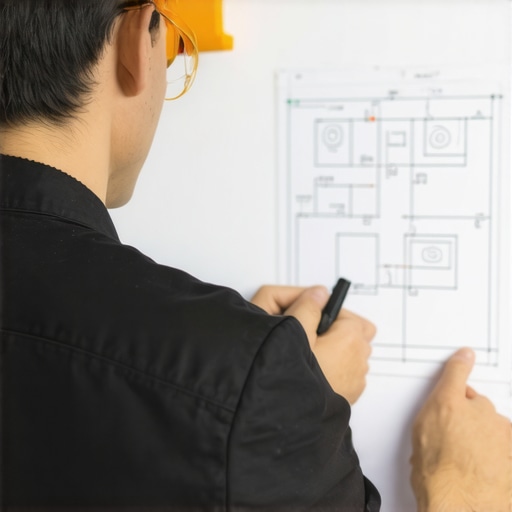
Use a professional to map out your venue’s electrical system, focusing on load distribution and backup options to prevent failures during your event.
While many assume that flawless execution in weddings, server management, or catering hinges solely on experience, I’ve found that the real pitfalls are often subtler and less obvious. One common myth is that standard practices—like using generic serving staff or sticking to traditional menus—are sufficient. But in my expertise, the nuances—such as customizing service styles or incorporating innovative menu trends—can make or break the event’s success. A trap I’ve seen many fall into is assuming that bigger budgets always guarantee quality; however, without strategic planning, overspending can lead to unnecessary waste and logistical chaos. For example, I observed a corporate event that invested heavily in state-of-the-art decor without considering the flow of guest movement, resulting in bottlenecks and frustration.
What are the pitfalls of relying solely on experience without deep planning intelligence?
Research indicates that detailed pre-event mapping of service workflows enhances guest satisfaction and operational efficiency. Ignoring such nuances can cause delays, discomfort, and even safety risks. To avoid these issues, it’s essential to critically evaluate your team’s skills and the event’s unique demands, rather than just following conventional wisdom. For instance, choosing the right servers is vital; professional servers trained in both etiquette and event-specific procedures (see our guide on how to select the perfect servers) can elevate the entire experience. Similarly, adopting innovative catering ideas—like themed menus tailored to your guests’ preferences—not only impresses but also creates memorable moments.
Another often overlooked aspect is the importance of tailored communication. Misaligned expectations among vendors or staff can lead to disasters. Developing a comprehensive, crystal-clear plan ensures that everyone is on the same page, reducing the ‘oops’ moments that spoil the event. Remember, your event’s success hinges on mastering these hidden details—small adjustments can have outsized impacts.
So, have you ever fallen into this trap? Let me know in the comments. With a keen eye for nuances and strategic foresight, you can transform common pitfalls into stepping stones for spectacular events.Maintaining the smooth operation of your event services requires the right tools backed by proven methods. Having personally relied on a combination of professional software and high-quality equipment, I can confidently recommend consistent maintenance routines and reliable technology. Regularly updating your event management software, such as the industry-standard ‘EventPro,’ ensures you stay ahead of scheduling conflicts and logistical glitches. This platform allows for real-time tracking of vendor assignments and guest flow, significantly reducing errors during the event. Additionally, investing in portable power banks and surge protectors, like the APC Smart-UPS series, safeguards your critical equipment against voltage spikes—a must-have for outdoor or hybrid events. Continuously calibrate audiovisual gear and catering appliances before each event and keep detailed logs to track wear and tear. This proactive approach minimizes last-minute failures and enhances long-term reliability. Prediction for the future suggests that AI-driven monitoring tools will become indispensable, providing predictive maintenance alerts and optimizing resource allocation. How do I maintain equipment and systems over time? The key is routine checks combined with scheduled deep maintenance, involving detailed cleaning, calibration, and software updates. Incorporate cloud-based asset management platforms—such as Asset Panda—which help organize maintenance schedules, warranties, and inventories, reducing oversight fatigue. To implement these practices effectively, I urge event planners to dedicate a weekly review session where equipment performance and software updates are systematically checked. This not only extends equipment lifespan but also ensures a consistent vendor experience, aligning with the standards expected at top-tier corporate events. Furthermore, establishing partnerships with trusted service providers for equipment servicing ensures quick turnaround and access to cutting-edge tools. For example, I personally recommend scheduling quarterly calibration with certified technicians for your audiovisual systems—this step prevents performance degradation and maintains professional standards. As technology evolves, having a dedicated maintenance plan incorporating these tools will be your best defense against unexpected failures, empowering you to deliver flawless events every time. Don’t forget to explore how integrating AI-based predictive maintenance can propel your services into next-generation efficiency—start by trialing an AI alert system on your most critical equipment and observe the difference it makes.
Over the years, I’ve learned that meticulous planning behind the scenes transforms an ordinary event into an unforgettable experience. One of the most overlooked yet crucial aspects is power management. Mastering this can be the difference between seamless celebration and last-minute chaos. Remember, your guests may not notice every detail, but when the lights stay on and the music plays smoothly, they feel your effort and professionalism.
The Hidden Wisdom That Changed My Approach to Events
- Anticipate, don’t react: The most successful events come from proactive power planning. I once skipped this step for a small outdoor wedding, and midway through the reception, a sudden lightning storm caused outages. Since then, I always include backup generators in my planning.
- Every outlet tells a story: Assign dedicated circuits to high-power equipment. During a corporate gala, dedicating power sources prevented tripped breakers and kept presentations on track. Small details like these ensure your technical setup supports your event’s flow.
- Partner with professionals: An experienced electrician or AV technician can catch potential issues before they surface. I learned this early when a last-minute wiring oversight could have derailed a wedding rehearsal—a quick expert consultation saved the day.
- Empower your vendors: Share your power setup plan with caterers, entertainers, and tech teams. Clear communication minimizes mishaps. For example, guiding the sound crew on outlet use can prevent disruptions, maintaining a lively atmosphere.
- Invest in resilience: Surge protectors and backup power sources like portable generators aren’t just extras—they’re safety nets. During thunderstorms, I’ve seen equipment saved and event continuity maintained thanks to these investments, turning chaos into calm.
My Toolkit to Keep Events Running Smoothly
- Reliable Power Generators: Essential for outdoor and hybrid events that demand dependable electricity. I trust brands like Honda and Generac for their durability and ease of use.
- Surge Protectors and UPS Units: Protect sensitive equipment like microphones and projectors. Investing in quality surge protectors is a small cost for peace of mind.
- Pre-event Wiring Checks: Schedule a walkthrough with professionals to identify potential hazards or overload points—better to fix now than during the event.
- Real-time Monitoring Tools: Embrace smart solutions like Wi-Fi-enabled power strips and monitoring apps to stay ahead of electrical issues as they develop.
Take Your Event Power Strategy to the Next Level
Effective power management isn’t just a technical requirement—it’s a cornerstone of memorable, smooth-running events. When you plan ahead, partner with experts, and invest in reliable gear, you create a foundation where every detail aligns seamlessly. This proactive approach frees you to focus on what truly matters: connecting with your guests and delivering extraordinary experiences.