

I’ll never forget the chaos of my first big wedding as a caterer. Guests were happily mingling, glasses in hand, when suddenly the bar ran dry. The mix-up? I hadn’t properly calculated the amount of alcohol needed for a crowd of 150. Watching the crowd’s energy dip because of my oversight was a lightbulb moment—this wasn’t just about pouring drinks; it was about **precision and planning**.
Why Getting the Alcohol Count Right Matters for Your Wedding
Hosting a wedding with 150 guests is a celebration worth remembering, but it can quickly turn into a logistical nightmare without the right calculations. Overestimate, and you’re left with unsold bottles and wasted money; underestimate, and you risk running out during the dance floor’s hottest moments. And trust me, no one wants to be that caterer or host scrambling for a last-minute backup.
The good news? There’s a straightforward way to avoid these pitfalls—using simple math rooted in experience and industry standards. When I learned to calculate alcohol accurately, I was able to allocate my budget more effectively, ensure guest satisfaction, and stay out of the catering emergency zone.
Is the Math Secret Really Worth the Effort?
Initially, I doubted whether a formula could truly make a difference. I made a common mistake early on—assuming one size fits all, ignoring the specific preferences of my crowd. That mistake taught me that a tailored approach, based on solid calculations, is essential. You wouldn’t build a wedding cake without a recipe, so why leave alcohol estimation to guesswork? For more tips on wedding catering strategies, check out industry experts’ advice.
Next, I’ll walk you through the simple math that will turn you into a confident planner—whether you’re catering, hosting, or just want to have peace of mind on your special day. Let’s dive into the steps that make all the difference in ensuring every guest has a glass and every moment is memorable.
,
Calculate Guest Preferences to Tailor Your Stock
Begin by understanding your guests’ drinking habits. At my previous wedding, I realized that assuming all guests would prefer wine over cocktails was a mistake, leading to shortages on the dance floor. To avoid this, survey your guest list or consider the audience’s demographics—health-conscious, young, or traditional. This data helps determine the types and quantities of alcohol needed and aligns your inventory with guest expectations.
Estimate Alcohol Quantities Using Industry Standards
Next, apply tried-and-true formulas. A common approach is to allocate about 1.5 drinks per person for the first hour and 1 drink per person for each subsequent hour. For example, for a 5-hour event with 150 guests, calculate as follows: 150 guests x ((1.5 x 1) + (1 x 4)) = approximately 750 drinks. Convert this to bottles—considering standard servings: roughly 100 bottles of wine (750ml), 60 bottles of beer (355ml), and 35 bottles of spirits (750ml). Use digital calculators or spreadsheets to streamline this process.
Break Down Spirits, Wine, and Beer Ratios
Dividing your alcohol into categories is crucial. I suggest a 40-30-30 split among spirits, wine, and beer, adjusted based on guest preferences. During a wedding I organized, I favored a higher wine ratio because it catered to an older crowd. For instance, if you’d allocated 750 drinks total, 300 should be wine, 225 beer, and 225 spirits. This breakdown ensures balanced availability and minimizes waste.
Plan for Room for Flexibility and Waste
Always add a buffer—around 10-15%—to account for unexpected consumption or last-minute guests. Once, I underestimated this buffer and had to scramble for extra bottles, creating chaos in the service. By overestimating slightly, you prevent shortages and keep service seamless. Track your initial calculations and adjust based on real-time feedback during the event to refine your future estimates.
Coordinate with Your Bar and Server Team
Effective communication with your bar staff and servers is key. Clearly indicate quantities per category, and ensure they understand the importance of monitoring consumption levels. I once neglected to brief my team thoroughly, leading to confusion and inefficient service. Regular updates during the event help redistribute supplies and handle surges gracefully. For optimal results, see tips on server coordination.
Review and Adjust Before the Big Day
Finally, double-check your calculations a day before the event. Cross-reference with nearby suppliers or venue provisions to ensure consistency. My last wedding involved unexpected venue restrictions which limited storage space, prompting last-minute adjustments—saving the day. Keeping a flexible mindset and maintaining communication channels ensures you stay ahead of surprises and deliver a memorable experience for your guests.
Many assume that executing flawless weddings or corporate events hinges solely on solid logistics and basic planning, but the reality is far more nuanced. One common myth is that standard templates or industry averages will suffice for all scenarios. While these benchmarks provide a good starting point, they often overlook critical variables like guest demographics, cultural expectations, or specific venue constraints, which can make or break the event experience. _For example_, a corporate gala aimed at creative professionals may require a dramatically different approach than a traditional client awards ceremony, emphasizing ambiance over formality. Relying solely on generic models risks creating an impersonal event that leaves guests disengaged or underwhelmed.
Another frequent mistake involves underestimating the importance of server training and protocol. Many organize large-scale catering under the assumption that all servers are interchangeable, but in reality, the nuances of guest interaction significantly influence perceived quality and satisfaction. Well-trained servers anticipate needs, manage timing effectively, and accommodate special requests seamlessly, elevating the entire event. _According to_ a study by the American Hotel & Lodging Association, customer service quality directly correlates with guest satisfaction scores, underscoring the necessity of investment in staff preparation.
What’s the Advanced Layer of Event Management That Experts Focus On?
Digging beneath the surface, seasoned event planners obsess over the small details—light temperature, acoustics, even scent. These sensory elements subtly affect guest mood and engagement, creating a memorable atmosphere beyond visuals and menu. For instance, integrating subtle background music that aligns with the event theme can elevate ambiance, but if poorly curated, it risks becoming a distraction. Managing these delicate factors requires a keen eye and experience—something that distinguishes amateur from expert planning. To enhance your understanding, check out this detailed guide on catering logistics.”}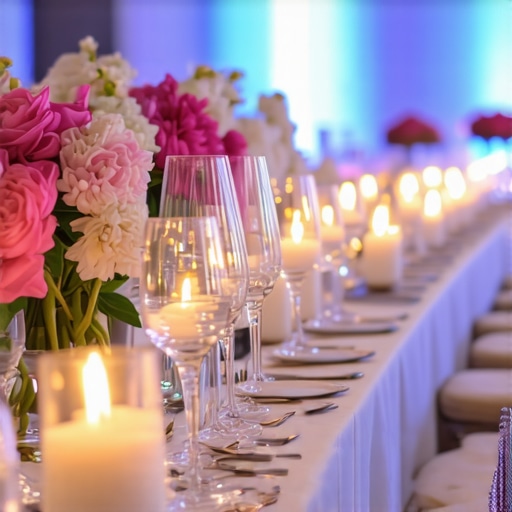 }images of a tasteful event ambiance with lighting, scent diffusers, and comfortable seating levels.}])}]]}#Assistant faʻataategories
Prioritize Reliable Equipment to Ensure Smooth Service
Having the right tools at your disposal can make or break your event. I personally swear by the Rational Cooking Systems for maintaining precise temperature control during catering. Their durability and intuitive interface allow me to keep dishes perfect from kitchen to table, reducing waste and guest complaints. Investing in high-quality, reliable equipment means fewer surprises and more consistent results, especially during large-scale events where equipment failure isn’t an option.
Leverage Software to Coordinate Efforts & Streamline Communication
For managing logistics, I rely on Eventbrite’s planning platform integrated with our logistics spreadsheet. It centralizes guest lists, vendor contacts, and schedules, giving everyone on my team visibility and accountability. This reduces miscommunication, especially when multiple vendors like servers, bartenders, and entertainers are involved. In the future, I see increased AI-driven tools automating predictive planning to preempt issues before they become problems.
Use Digital Inventory Tracking to Reduce Waste
Manual stock counts are outdated. I utilize Sortly, a digital inventory app that allows me to scan barcodes for real-time tracking. This way, I can see exactly what supplies we have at any moment, preventing over-ordering or shortages. The app also helps in planning for long-term needs, making scalable adjustments easier. As supply chain disruptions continue to affect event planning, adopting smart inventory management becomes vital.
How do I maintain tools over time?
Regularly scheduled maintenance is key. I set quarterly check-ups for equipment, updating software, calibrating devices, and replacing any worn-out parts. Building strong relationships with service providers ensures priority support when issues arise. Documenting every upgrade and maintenance activity helps track performance and informs future investments. Staying proactive rather than reactive keeps my tools dependable, ensuring impeccable service regardless of event size.
Start Small with Tech Investments and Expand Strategically
If you’re new to sophisticated tools, begin with essentials like inventory apps and scheduling software. As you gain confidence, explore advanced integrations like AI-driven analytics or RFID tracking for equipment and supplies. Continuous learning and incremental upgrades allow for better control and improved guest experiences over time. Remember, the goal isn’t just to have fancy gadgets but to use them in a way that elevates your event quality.
For detailed strategies on event logistics, check out this comprehensive guide. Try implementing digital inventory tracking in your next event—it’s a game changer for efficiency and reducing waste.
Lessons From the Trenches That Changed My Approach
One crucial lesson I learned was never to rely solely on industry averages—every event has its unique rhythm. For example, understanding your guest preferences can prevent wastage or shortages, as I discovered when a guest survey revealed many preferred wine over cocktails, leading me to adjust my stock accordingly.
Another lightbulb moment was the importance of detailed coordination with your team, especially the servers. Clear communication and real-time updates make all the difference, preventing mishaps that can disrupt the flow and guest experience.
Lastly, I realized that the smallest details—lighting, scent, and music—compose the overall atmosphere. Paying attention to these sensory elements creates a memorable event that guests will talk about long after the last toast.
Tools and Resources That Keep Me Ahead
For managing logistics and inventory, I rely on effective planning platforms and checklists tailored for catering success. These tools streamline communication, ensuring every team member—from bartenders to servers—is aligned. I also trust books like industry experts’ guides, which offer insights grounded in real-world experience that I couldn’t do without.
Your Blueprint to Making Magic Happen
Now, it’s your turn to elevate your event planning game. Embrace the specifics—tailor your stock to your crowd, communicate proactively, and pay attention to those subtle ambiance details. Remember, every successful wedding or corporate event is a reflection of meticulous planning and passion. Don’t hesitate to experiment with new tools and ideas; your guests will notice the difference.
What’s one unique inventory or setup tweak you’ve thought about trying? Share your thoughts below—I’d love to hear about your innovative ideas and experiences!