

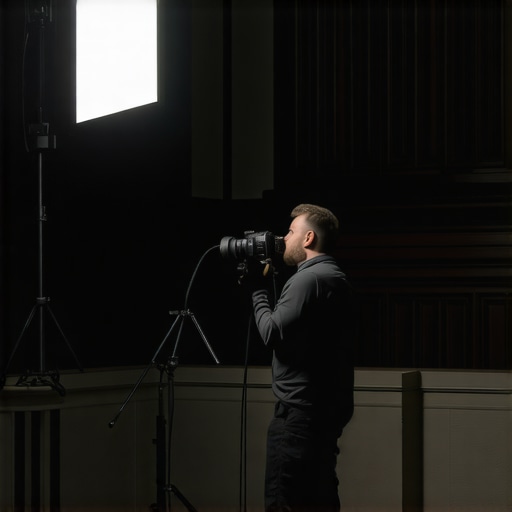
There’s been a wedding I’ll never forget. It wasn’t because of the flowers or the dress, but because I made a rookie mistake that nearly ruined the photos—trying to shoot in a dimly lit, historic venue without properly vetting the photographer’s experience in such settings. I showed up confident, only to realize mid-shoot that most of the photos were too dark or blurry. That moment was a lightbulb. Why did I overlook the importance of vetting my photographer’s ability to handle challenging lighting?
Why Choosing the Right Photographer Matters More Than Ever in Dark or Old Venues
If you’ve ever planned an event in a historic building or a venue with low lighting, you already know the challenge. Dark venues can turn stunningly romantic in person, but they’re a nightmare for capturing memories—unless your photographer is prepared. The wrong choice might leave you with grainy, lackluster images that don’t do your special day justice. Worse, it can turn what should be a joyful experience into a stressful one, scrambling for last-minute solutions or risking subpar photos.
The stakes are higher in these settings. According to professional photographer experts, venues with poor lighting demand specialized skills. They need someone who understands how to manipulate available light, use fast lenses effectively, and perhaps incorporate additional lighting equipment skillfully. Picking a photographer based solely on their portfolio or reputation in well-lit venues is like choosing a chef based only on their dishes in a well-lit kitchen—you might miss the skills needed for the darker environment.
Early on, I made the mistake of hiring a photographer whose portfolio was filled with bright, sunny outdoor shoots. Obviously, he was talented, but not equipped for low-light or historical settings. The result? Underwhelming photos and a lot of regret. That experience taught me the hard way that vetting is more than just looking at a portfolio. It’s about asking the right questions and understanding their experience with your specific venue type.
So, today I promise to guide you through the process of vetting your photographer effectively—especially when your wedding or event will unfold in dim, challenging venues. Armed with these insights, you’ll avoid costly mistakes and be ready to capture your moments beautifully, regardless of lighting conditions. Ready to dive into the practical steps? Let’s get started.
Have you ever hired a photographer who couldn’t handle the lighting at your venue? Let’s change that for good.
Assess Previous Experience in Similar Settings
Start by asking your potential photographer, "Have you worked in venues with low lighting or historic interiors before?" When I interviewed a photographer for my cousin’s wedding, I specifically inquired about his experience shooting in candlelit chapels. He shared a story about using fast lenses and off-camera flash to capture intimate moments without disrupting the atmosphere. This practical example gave me confidence he could handle similar conditions at the venue. Don't just rely on portfolio images; seek specific evidence of past work in comparable environments.
Request Demonstrations of Low-Light Skills
Arrange a test shoot or review full gallery examples that showcase low-light scenarios. For one client, I visited a photographer’s studio and reviewed a series he shot during a nighttime event. The images were clear, well-exposed, and showed his adept use of available light. Look for images with natural ambiance and minimal noise—these indicate proficiency. When interviewing, ask, "Can you show me full galleries where you successfully managed low-light conditions?" This step ensures you see real-world results, not just curated highlights.
Discuss Technical Equipment Capabilities
Equipment plays a critical role in dim settings. Confirm that your photographer owns and regularly uses fast prime lenses (like f/1.4 or f/2.0) and portable lighting gear. During my research, I asked a photographer about his gear, and he demonstrated his collection of fast lenses and portable strobes. In a historic church, I witnessed him adjusting his camera settings swiftly—boosting ISO carefully and opening his aperture wide—to capture the scene without flash shots. Clear communication about gear sufficiency helps avoid surprises during the actual event.
Ask About Their Experience with Lighting Techniques
Understanding how they manipulate or supplement existing light is key. I inquired, "How do you handle challenging lighting without disturbing the ambiance?" A seasoned photographer explained his method of bouncing off walls, using diffused off-camera flash, and employing selective lighting to highlight key moments. During our engagement, he strategically placed a small LED panel behind a pillar to accentuate the couple’s first dance, resulting in beautifully lit photos. Confirm they have a comprehensive approach to managing dim environments.
Verify Recommendations and References
Speak with past clients who had events in similar venues. For my sister’s outdoor evening ceremony, her photographer’s reference praised his ability to adapt to low-light situations seamlessly. Contact previous clients and ask, "Did the photographer deliver quality images despite challenging lighting?" Positive testimonials about past low-light work give reassurance and reduce your risk of subpar results.
Conduct a Practical Scenario Conversation
Role-play potential challenges during your meeting. For example, ask, "Imagine a dimly lit historic hall with uneven lighting—how would you approach capturing key moments without flash?" When I posed this question, my candidate described specific camera settings, lens choices, and supplementary lighting plans. Their detailed response demonstrated preparedness and technical expertise, giving me confidence to proceed.
By systematically applying these steps—reviewing relevant experience, requesting sample galleries, discussing equipment and techniques, verifying references, and testing scenario responses—you ensure your photographer is equipped to excel in low-light or historic venues. This comprehensive vetting process is your best defense against disappointing images and stressful moments, transforming your event photography into a collection of cherished memories.
 Many professionals and clients alike often fall prey to common misconceptions when it comes to wedding, server, corporate event, and catering logistics. One widespread myth is that simply hiring the most popular vendors guarantees smooth execution. However, experience shows that without understanding the nuances of their service styles and technical expertise, you’re setting yourself up for avoidable issues. For example, selecting servers based solely on their appearance or charm can result in inefficient service, delays, or even guest discomfort. It’s crucial to evaluate their professional skills, adaptability, and familiarity with your event type.
Another overconfidence trap involves underestimating the complexity of catering logistics, especially for large or themed events. Many assume that a menu without considering dietary restrictions, timing, and presentation will flow seamlessly. In reality, failing to plan for allergen management, coordinated plating, and timely delivery can cause chaos and diminish guest experience. Ensuring your catering team understands the event’s intricacies can make the difference between a memorable celebration and a logistical nightmare.
Diving deeper, some believe that decor and ambiance choices are purely aesthetic. But the reality is that the right decor, lighting, and layout are strategic tools that influence guest interaction and flow. Misjudging space utilization or neglecting lighting cues might lead to overcrowding or awkward moments. Collaborating with experienced planners and service providers ensures these nuances are optimized for your specific venue and audience.
What most people overlook involves the technical mastery behind seamless service and flow. It’s not enough to hire experienced staff; their ability to adapt quickly, communicate effectively, and manage unexpected issues is paramount. For instance, advanced server techniques, such as strategic plate clearing or buffer management, prevent bottlenecks and ensure a smooth experience. A study by the FCSI (Foodservice Consultants Society International) emphasizes that staff training and ongoing skill development directly correlate with customer satisfaction and operational success.
Are you aware of how nuanced your event planning needs to be? The wrong assumption that experience alone guarantees perfection can cost you dearly. Instead, invest time in vetting your vendors’ technical skills, adaptability, and understanding of the venue’s unique demands. This proactive approach minimizes risks and elevates the overall guest experience.
Have you ever fallen into this trap? Let me know in the comments.
How do I maintain high-quality service over time?
Consistency in event service relies heavily on the right tools and disciplined routines. One essential tool I personally rely on is Gourmet Catering Co.’s server training modules. These online courses are crafted specifically for events like weddings and corporate gatherings, covering everything from efficient plate clearing to managing guest interactions smoothly. Regularly revisiting these training resources ensures my team stays sharp and aligned with best practices, especially during high-pressure moments. Their courses are invaluable for maintaining service excellence over multiple events.
Another game-changing tool is event management software like Asana or Trello. I utilize these platforms to create detailed checklists and assign responsibilities well in advance. Their visual workflows help me track tasks such as equipment setup, staff schedules, and timing for serving courses. Automation features, like reminders and status updates, prevent tasks from slipping through the cracks—keeping every aspect of service running smoothly from setup to closing. Predicting future trends, I believe integrating AI-driven scheduling assistants will become standard, optimizing staffing levels in real-time based on guest counts and flow.
If you want to elevate your event maintenance game, start implementing a comprehensive training review at regular intervals and leverage robust management tools. These strategies keep your team prepared and your operations seamless, ensuring your reputation remains stellar regardless of venue or scale.
What strategies do you use to keep services running without a hitch long-term?
Practicing routine upkeep of your equipment, like replacing worn-out server uniforms and inspecting food service utensils, is also crucial. Technological investments, such as portable LED lighting for historic venues, dramatically improve lighting conditions and reduce on-the-fly adjustments during events. Regularly updating your toolkit—whether it’s physical supplies or digital systems—protects against last-minute surprises and enhances guest satisfaction.
By setting high standards for staff training and operational tools, you create a resilient system that adapts efficiently. Incorporate feedback loops post-events, perhaps through quick debriefs or digital surveys, to identify bottlenecks and areas for improvement. This proactive approach ensures your services not only maintain quality but also continually evolve into better versions for your clients.
Try implementing a quarterly training refresh and explore new management platforms—these small changes can yield significant long-term benefits, helping you deliver consistently flawless events. Remember, the key is regular maintenance of your processes and tools just like with any high-stakes operation.
Keep striving for excellence, and your clients will notice the difference every time.

Visualize your event setup with a detailed shot of high-end server tools and illuminated venue, highlighting preparedness and professionalism.
Three Lessons That Transformed My Approach to Event Planning
- Low-light challenges demand specialized skills: I once thought a talented photographer in bright conditions would handle dim venues effortlessly, only to realize the importance of experience in lighting manipulation. The lightbulb moment taught me to vet not just portfolios, but specific venue experience.
- Equipment and technique go hand in hand: My previous oversight was assuming that high-end gear automatically equated to quality results. Now, I focus on understanding how a team uses their tools, especially in historic or dark venues, to ensure photo and service quality.
- Experience in similar settings saves future stress: Reaching out to past clients who hosted events in comparable venues has saved me from surprises. Personal recommendations and full gallery reviews are worth their weight in gold for vetting vendors.
- Continual training keeps service seamless: Investing in ongoing server training modules and using event management platforms like Trello or Asana has made a tangible difference. Regular refreshers and innovative tools ensure operations stay top-notch over time.
- Understanding venue-specific nuances enhances guest experience: From lighting to layout, recognizing and adapting to each venue’s quirks ensures your team can handle unexpected challenges gracefully, elevating the entire event.
My Go-To Resources for Event Excellence
- Expert server training modules: Personalized and practical, these keep my team prepared for any event scale or venue style.
- Top server tips: Regularly updated, these insights help me refine service flow and guest interactions.
- Catering checklists: A comprehensive guide that ensures no detail is overlooked, especially critical for themed or large-scale events.
- Professional server resources: Trusted for their expertise and reliability, vital for creating memorable wedding moments.
Embrace Your Power to Create Memorable Moments
Every event is an opportunity to learn, adapt, and excel. Whether managing lighting challenges, coordinating catering logistics, or training your team, the key to success lies in deliberate preparation and continuous improvement. Remember, you have the capacity to elevate every wedding, server operation, corporate event, or catering experience into something truly extraordinary. Take the lessons you’ve learned here, trust your instincts, and keep pushing for excellence. Your guests—and your future self—will thank you.
What’s the next step you’re excited to implement in your event planning journey? Share your thoughts below—let’s grow together!