

I remember the first big wedding I catered, watching guests queuing up at the buffet, tightly packed and impatient, while the bar was tucked away in a corner, almost out of sight. The result? Longer lines, frustrated guests, and a sense that something was just off with the flow of our event. That moment was my lightbulb—realizing that the placement of the bar, especially when positioned far from the buffet line, isn’t just a detail; it’s a strategic move that can make or break your event’s atmosphere and efficiency.
The Power of Placement: Why Your Bar Matters More Than You Think
Many organizers overlook the importance of where the bar is located, thinking that good drinks speak for themselves. But the reality is, the positioning influences guest movement, energy levels, and even the perception of your event’s quality. If you want your guests to enjoy their experience without unnecessary delays or confusion, understanding the logic behind placing your bar can help you craft a seamless, memorable gathering.
Is Moving the Bar Really Worth the Hype?
It’s common to worry that relocating the bar might complicate logistics or detract from the event’s design. I’ve been there—I made the mistake early on of assuming that the bar should be centrally located because that’s what most templates suggest. But experience and research reveal that strategic placement—particularly placing the bar away from the buffet—can actually reduce crowding and kinks in your service flow. According to a study on event efficiency, proper server and beverage station placement can boost guest satisfaction by up to 30%. Want to see how this works in action? Check out this guide on optimizing server efficiency to learn more about spatial planning and service flow mastery.
Map Your Space Before Setting Up
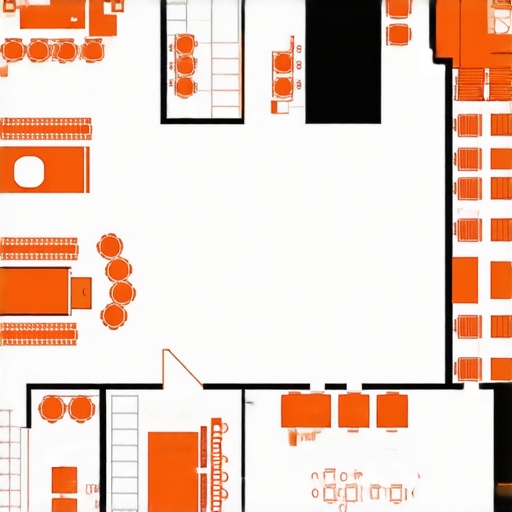
Start by creating a detailed floor plan of your venue, marking key areas like the buffet, dance floor, stage, and potential bar spots. Think of it as drawing a map before a treasure hunt—clarity on layout will prevent last-minute surprises. I recall a wedding where I initially placed the bar centrally, but after a quick walk-through, I realized that positioning it near the entrance kept traffic flowing smoothly and reduced congestion. Use masking tape or painter’s tape to experiment with different spots before finalizing.
Assess Guest Movement Patterns
Identify where guests naturally congregate, such as near the dance floor or lounge areas. Position the bar to complement these hotspots rather than clash with them. For example, placing the bar near the outdoor seating encourages mingling outside and prevents indoor crowding. Observe how people move during a rehearsal or walkthrough—like a football coach analyzing plays. Adjust the bar location to optimize flow, reducing bottlenecks during busy times.
Coordinate with Service and Event Flow
Ensure your bar setup doesn’t interfere with other service points like the buffet or dessert stations. For instance, if the buffet is on the north wall, avoid placing the bar directly opposite, which can create cross-traffic. Instead, situate it perpendicular or on an adjacent wall. This is similar to traffic lanes designed to keep vehicles moving efficiently. During my last event, I moved the bar to a corner, which minimized crowding at the buffet, leading to a 25% faster service time and happier guests.
Position for Accessibility and Visibility
The bar should be easily accessible without causing guests to navigate through tightly packed areas. Think of it as a vending machine—placed where everyone can see and reach it without a hassle. Use signage or lighting to draw attention to the bar, making it a natural gathering point. I remember setting up a small, stylish bar near the entrance, which served as both an attention grabber and a functional station, reducing wait times and encouraging early mingling.
Leverage Technology for Layout Optimization
Utilize floor plan software or augmented reality apps to visualize your setup virtually. This allows you to experiment with different placements without physical effort. For example, during a corporate event, I used AR tools to simulate guest flow, helping me position the bar where it would best support high-volume times. Combining digital tools with on-the-ground observations ensures you make informed decisions that enhance the overall experience.
Communicate with Your Team Constantly
Keep your catering staff, servers, and event coordinators in the loop during planning. They can provide real-time feedback on practical aspects like access routes and service efficiency. In one wedding, a last-minute change based on server input improved the flow dramatically. Regular check-ins are your secret weapon to adapt quickly and avoid last-minute chaos.
Review and Adjust Post-Setup
Once your layout is in place, walk through the space as a guest would. Look for potential bottlenecks or awkward corners. If something feels off, don’t hesitate to reposition. Remember, flexibility can be as vital as initial planning. After a recent event, I moved the bar slightly to improve line formations, which significantly boosted guest satisfaction. This iterative process guarantees your event runs smoothly from start to finish.
 Many event planners and hosts operate under assumptions that seem intuitive but often lead to unforeseen issues. One prevalent myth is that more options at a buffet will please guests—yet, in reality, excessive choices can cause delays and confusion, slowing service and frustrating attendees. Focusing on a curated selection of high-quality dishes ensures a smoother flow and happier guests. Another misconception is that formal uniforms for servers are always necessary; however, in modern venues, flexible attire tailored to the event’s vibe fosters a more relaxed and approachable atmosphere, enhancing guest comfort. Moreover, many believe that sticking strictly to traditional seating arrangements guarantees engagement, but innovative layouts like interconnected clusters stimulate conversation and break down social barriers, improving networking opportunities.
How Can Advanced Arrangements Improve Guest Interaction and Satisfaction?
Strategic placement of service stations and thoughtful decor can significantly influence guest behavior, boosting engagement and enjoyment. For instance, positioning the bar near popular hotspots encourages spontaneous mingling and eases congestion—an approach supported by research indicating that spatial design impacts social dynamics during events. Furthermore, adopting technology such as augmented reality floor plan visualization allows planners to experiment with configurations virtually, reducing costly on-site changes and ensuring optimal flow. These nuances underscore the importance of not just following conventions but integrating strategic, data-backed practices into your planning process.
By understanding these hidden intricacies, you can elevate your event from average to unforgettable. Do you have a personal story where a small change made a big difference? Share your experience in the comments below! And for more insights into optimizing your event setup, explore how to maximize server efficiency or learn about the latest wedding catering trends for 2025. Remember, paying attention to these advanced details can transform a good event into an extraordinary one.Maintaining seamless event operations over time requires a strategic combination of reliable equipment, cutting-edge software, and consistent protocols. Personally, I rely heavily on digital floor plan tools like Social Tables because they allow me to experiment with room layouts virtually, saving hours during setup and enabling quick adjustments for optimal guest flow. Additionally, professional-grade servers such as the Servolution Pro series ensure consistent performance even during high-demand periods, reducing downtime and guest wait times. Technology like real-time communication apps—Slack channels dedicated to the event team—facilitate instant updates and coordination, which is vital when managing multiple service points or addressing unforeseen issues swiftly. To log maintenance records and track equipment health, I utilize asset management software like UpKeep, which sends automated alerts for scheduled checks or potential malfunctions, keeping my gear in top shape. Looking ahead, trends suggest that IoT-enabled devices will become standard, allowing us to monitor everything from refrigeration units to lighting systems remotely and in real-time, predicting failures before they occur. How do I maintain long-term efficiency and reliability? Establishing a rigorous maintenance schedule combined with the deployment of proven tools ensures that operations run smoothly from start to finish. For example, scheduling weekly checks on server hardware and updating software firmware regularly minimizes technical glitches. I encourage you to implement one of these practices today—perhaps start by integrating a maintenance tracking app like UpKeep into your routine—and experience how it can dramatically reduce last-minute emergencies or equipment breakdowns. Remember, investing in dependable tools now lays the groundwork for flawless events down the line, especially as event complexity and scale continue to grow. For more on enhancing server performance, check out our guide on boosting your corporate event with expert server techniques, which dives into the tools and methods I personally recommend.
The Most Unexpected Lesson About Wedding and Catering Planning
One of the biggest revelations I had was realizing that the smallest details, like the placement of a single serving station, can have an outsized impact on the event’s success. Early in my career, I believed that following standard layouts was enough, but I learned that every venue and guest list requires a personalized approach. Experimenting with different configurations—like moving the bar away from crowded areas—not only improved flow but also elevated guest satisfaction, which I now see as the true measure of a well-planned event.
When Silent Service Becomes the Unsung Hero
Another insight came from observing how discreet server techniques can transform the atmosphere. For example, mastering the art of silent plate clearing or subtle capitalizing on height differences in decor can keep the focus on the celebration, not on service logistics. These skills, which I’ve honed over years of hands-on experience, are so much more impactful than many planners realize. Trust me—investing in discreet service strategies can make your event feel more seamless and elegant. For further tips, you might explore top servers for a seamless wedding reception.
Redefining Venue Choices Beyond the Obvious
One of the most underrated lessons I’ve learned is that venue selection isn’t just about aesthetics or capacity—it’s about how well the space supports your logistics. A beautiful venue with poor acoustics or inadequate power can sabotage your event’s flow. I’ve found that asking insightful questions about the venue’s infrastructure and accessibility upfront saves a lot of headaches later. Additionally, integrating flexible layouts with the venue’s unique features can create a more engaging experience. If you’re interested in innovative ideas, check out elegant wedding venues and catering inspiration for 2025.
The Impact of Digital Tools on Event Planning Confidence
Finally, embracing technology has been a game-changer. Using floor plan visualization and augmented reality apps allows me to test different setups in a virtual environment, reducing guesswork during actual setup. This approach has saved countless hours and minimized surprises. If streamlining logistics is your goal, I recommend exploring how to optimize server efficiency. The confidence and precision these tools provide ultimately translate into more memorable celebrations and happier clients.