

Picture this: I was coordinating a beautiful outdoor wedding when a sudden downpour caught everyone by surprise. The couple highly insisted on a lush green lawn, and I suggested renting a large tent as a rain backup. We had everything planned perfectly—until the storm rolled in, and chaos ensued. Guests were cramming into a tent that clearly couldn’t handle the crowd, tables were crowded, and the atmosphere felt more frantic than festive. It was a lightbulb moment for me: large tents, once our go-to solution for outdoor rain plans, were not the reliable fix I thought them to be.
Rethinking Rain Planning for Outdoor Events
Are Big Tents Still Worth the Hype?
Initially, I believed that the bigger the shelter, the safer we’d be. But experience taught me otherwise. Large tents can be difficult to organize, get expensive, and often don’t handle weather unpredictability as well as we hope. The costly setup, complicated logistics, and the chance of overcrowding made me question traditional advice. Since then, I’ve discovered better strategies that not only improve guest comfort but also save money and reduce stress.
Early on, I made a crucial mistake: I assumed bigger was better without considering alternatives. This oversight led to last-minute chaos and disappointed guests. External studies support this—research shows that flexible solutions and smaller, more adaptable shelter options often outperform large tents in unpredictable weather. So, if you’ve ever faced similar frustrations, you’re not alone. We’re about to explore how shifting our thinking can create more reliable outdoor event plans.
Ready to discover smarter ways to keep your events dry and enjoyable? Let’s dive into why abandoning the traditional large tent might be one of the best moves you make.
Ditch Large Tents for Flexible Solutions
Start by assessing the space you have. Instead of investing in one massive tent, consider multiple smaller shelters or pop-up awnings positioned strategically around the venue. This approach allows guests to choose their preferred spot, reducing overcrowding and discomfort. I once coordinated a summer outdoor wedding where we used several lightweight, quick-setup canopies arranged in different zones. When the unexpected storm hit, guests seamlessly migrated between shelters, and the event continued smoothly without chaos. This modular setup proved more resilient than a single large tent and enhanced guest experience.
Use Weather-Resistant Canopies
Choose canopies made from durable, waterproof materials. Secure them properly with weights or stakes, and reinforce with sidewalls that can be quickly assembled if conditions worsen. Setting these up requires a clear checklist and teamwork; I recommend assigning specific roles to your team to ensure efficiency. For example, during a corporate retreat, our team pre-placed sidewalls and secured anchors, enabling us to respond swiftly when clouds gathered. The result was an uninterrupted event, with guests feeling comfortable and protected.
Plan Rain-Resistant Catering and Service
Coordinate with your caterer to develop a plan that minimizes exposure. Opt for portable, enclosed stations or mobile carts that can be moved under cover when needed. For drink service, using insulated, sealed containers minimizes spillage and maintains temperature. I once worked with a caterer who prepared meals in insulated boxes, allowing servers to swiftly transition dishes into covered stations or tents, preventing weather delays. Incorporate foldable or retractable serving stations that can adapt to changing weather, and communicate these plans clearly with your team for swift execution.
Train Your Staff in Adaptability
Brief your servers and event staff on quick response protocols. Practice rapid redeployment between uncovered and covered areas, emphasizing maintaining guest comfort. During a garden wedding, we held a quick drill, which helped staff adapt seamlessly when light rain started. They moved catering stations, set up portable heaters, and reassured guests—all without missing a beat. Training your team in flexibility reduces chaos and enhances the guest experience, especially during unpredictable weather.
Implement Strategic Layouts
Create a venue layout that accommodates weather contingencies. Position key services—such as bathrooms, food stations, and rest areas—near sheltered spots. Design pathways that direct guests toward cover points and avoid bottlenecks. For instance, during an outdoor conference, we laid out the space so that main pathways led directly to undercover zones, minimizing guest exposure during sudden rain. Use signage to guide movement efficiently and reduce confusion, which keeps the event running smoothly regardless of weather changes.
Leverage Vertical Elements for Impact
Use vertical structures like umbrellas, tall banners, or canopies to create visual cues for shelter areas. Not only do these elements add aesthetic appeal, but they also serve functional purposes. During a summer wedding, colorful umbrellas atop tables created a festive atmosphere while doubling as rain shields. Integrate these elements creatively to enhance both the look and resilience of your outdoor setup, ensuring guests feel cared for even amidst unexpected weather.
While most planners focus on logistics and aesthetics, there’s a subtle aspect of wedding, catering, and corporate event planning that often escapes attention but can make or break the experience. This overlooked nuance is the importance of understanding guest psychology and behavioral triggers, which influence how attendees perceive and interact with your event. Many believe that flawless decoration and seamless service are enough, but in reality, the emotional comfort and perceived value significantly impact guest satisfaction. For instance, subtly guiding guest flow using psychological cues can prevent bottlenecks and enhance comfort, yet few incorporate this strategy. A study published in the Journal of Environmental Psychology highlights how environmental cues shape behavior, which means smart design choices can lead to smoother experiences and happier guests. Avoid the common trap of assuming that high-end catering alone guarantees guest engagement; instead, combining strategic layout with thoughtful service can elevate the entire event. When planning your next gathering, consider how subtle behavioral cues and guest psychology influence their perception and comfort. This understanding empowers you to create more resilient and memorable events, where every detail works in harmony to foster positive experiences. Want to master this vital aspect? Dive into expert tips on event psychology and behavioral design to ensure your gatherings leave a lasting impression. For advanced strategies, check out corporate event catering strategies and professional server insights. Remember, understanding guest minds can transform your event from good to unforgettable. Have you ever fallen into this trap? Let me know in the comments.
Ensuring your event services run smoothly over time hinges on utilizing the right tools and establishing robust maintenance routines. One indispensable piece of equipment I rely on is the GOJO Hand Cleaner System. Its touch-free dispensers and refilling schedules significantly reduce cross-contamination risks among staff, maintaining hygiene standards essential for guest satisfaction. Additionally, I swear by Starburst Server Management Software to streamline staff scheduling, monitor performance, and coordinate real-time updates on service progress. This platform’s detailed analytics help in identifying bottlenecks quickly, ensuring swift corrective action. 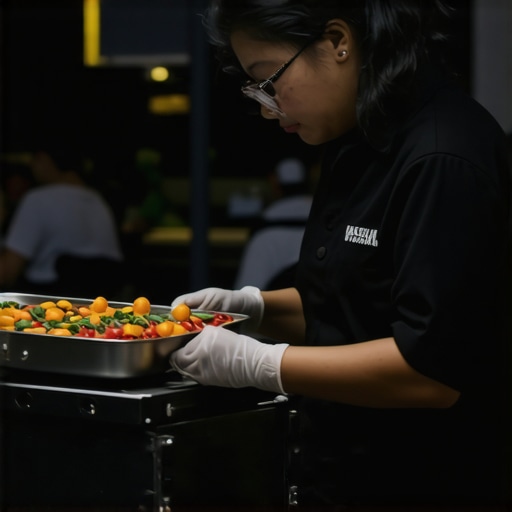
How do I maintain my event tools and staff over time?
Regular checks and preventative maintenance are vital. For equipment like mobile catering stations, I schedule routine inspections every three months, verifying seals, motors, and electrical wiring as recommended by the manufacturer. Implementing a preventative maintenance log ensures nothing is overlooked, especially before high-stakes corporate events. For staff, ongoing training sessions focusing on adaptability and service excellence keep team performance sharp, no matter how long the event lasts. This combination of proactive equipment care and continuous staff development minimizes unexpected failures and maximizes guest experience. The latest research in hospitality tech emphasizes the importance of strategic maintenance routines to sustain high standards. In future trends, I predict an increased adoption of IoT-connected devices to monitor equipment health remotely, reducing downtime even more effectively. To implement these practices, try setting up a weekly equipment check schedule with your team and use software tools that offer analytics on service performance—integrating these into your routine can dramatically improve long-term reliability.
Through my journey coordinating outdoor weddings, I’ve uncovered that the biggest shifts often come from unexpected lessons. One pivotal realization was that relying solely on large tents can lead to chaos rather than comfort, especially when weather surprises us. Instead, embracing modular, weather-resistant solutions and understanding guest behavior can transform unpredictable moments into seamless experiences. The key is to think creatively and adaptively, crafting environments that prioritize guest ease and event resilience. This approach doesn’t just safeguard the occasion—it elevates it, turning a potential storm into a memorable part of your story.
Lessons That Changed My Outdoor Event Planning Playbook
- Size isn’t always the answer: I’ve learned that multiple smaller shelters often outperform one giant tent in weather unpredictability, offering flexibility and reducing risk of overcrowding.
- Weather preparedness starts with mindset: Anticipating rain with proactive layouтs and quick-setup can save hours and stress, rather than hoping the weather won’t change.
- Guest comfort trumps tradition: Small touches like vertical umbrellas or stylish canopies not only provide shelter but also enhance the aesthetic, making guests feel cared for without sacrificing ambiance.
- Training matters: Equipping your staff with quick-reaction protocols ensures smooth transitions between weather conditions, maintaining a high level of service even when plans shift unexpectedly.
Tools and Resources That Boost Rainproof Event Success
- Corporate event planning strategies have taught me the importance of adaptable layouts and backup plans, applicable across all outdoor events.
- Investing in high-quality, waterproof canopies from trusted suppliers ensures durability and quick deployment—these are non-negotiables for me now.
- Weather monitoring apps like AccuWeather or The Weather Channel help me schedule setup times and remain vigilant, making real-time adjustments easier.
- Training modules available online for outdoor event staff focus on swift redeployment and guest reassurance, vital skills when weather shifts unexpectedly.
Take Your Outdoor Celebrations Beyond the Ordinary
Each outdoor event is a canvas awaiting your unique touch, especially when you master rain-resistant strategies. Remember, the real secret lies in foresight, adaptable setups, and empowering your team. With these insights, you’re well on your way to transforming challenges into opportunities for memorable moments. Are you ready to turn unpredictable weather into a showcase of your planning prowess? Share your thoughts or experiences below—I’d love to hear how you handle weather surprises during outdoor celebrations.