

I’ll never forget the moment I learned the hard way why a dedicated electrical circuit is a must-have for your wedding band. During a particularly busy ceremony, just as the first dance began, the lights flickered, and suddenly, all the audio equipment cut out. Panic! Turns out, powering multiple devices off the same circuit caused a dangerous overload, disrupting the moment that every couple dreams of. That day, I realized that without a proper setup, all the beautiful plans could be derailed by something as simple as shared power.
Why Your Wedding Band Desperately Needs Its Own Power Source
Many wedding venues overlook the importance of dedicated circuits for the audio and lighting systems, assuming they will handle everything with ease. But in reality, overloading a circuit isn’t just a technical issue—it’s a risk to the entire celebration. When multiple devices draw power from the same outlet, it can cause flickering lights, audio failures, or even tripped breakers that halt the party altogether. After that experience, I made it my mission to educate fellow planners and couples about preventing such mishaps.
Is Setting Up a Separate Circuit Really That Critical?
Absolutely. Early on, I made the mistake of trusting a venue’s outdated electrical setup, only to face the consequences during a critical moment. Modern weddings demand reliable power sources—not just for convenience but for safety and professionalism. According to an electrical safety report, overloaded circuits are among the leading causes of venue fires. Having a dedicated circuit isn’t just about avoiding embarrassment; it’s about safeguarding your event’s success and your guests’ well-being.
Plan the Electrical Layout Before Booking
Start by assessing your venue’s existing electrical setup. Walk through the space and identify outlets and circuit panels. Create a map noting which outlets feed into which circuits. For large events, consider bringing in an electrician to evaluate capacity and suggest upgrades. This proactive step prevents surprises during setup and ensures your entertainment equipment gets a dedicated, stable power supply.
Request or Install a Dedicated Circuit
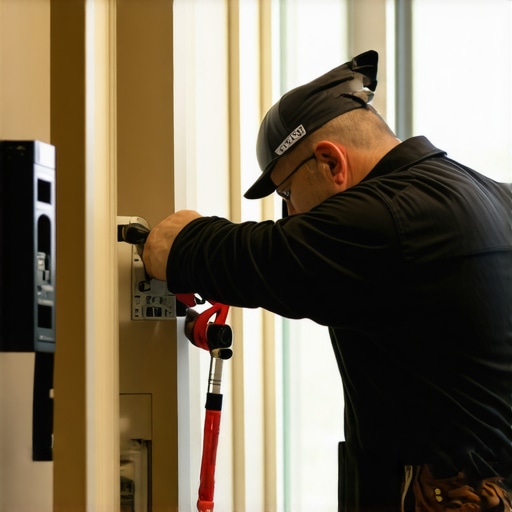
Communicate clearly with your venue about the need for a dedicated electrical circuit for your audio, lighting, and catering equipment. If necessary, hire a licensed electrician to install a separate circuit breaker connected directly to the main panel. Think of it as building a custom highway lane solely for your wedding’s power needs—this keeps everything flowing smoothly without traffic jams from shared circuits.
Use Power Distribution Equipment Effectively
Employ Power Strips and Surge Protectors
Distribute power safely with high-quality power strips fitted with surge protectors. They prevent overloads that can cause equipment failure or fires. Never daisy-chain multiple strips; instead, connect them directly to your dedicated outlet or circuit.
Implement Load Management
Calculate the total wattage of all devices and ensure it stays within the circuit’s limits. For example, if your circuit supports 20 amps at 120 volts, that’s 2,400 watts. Avoid plugging in devices that cumulatively exceed this. Spread high-draw equipment across multiple outlets or circuits if possible to avoid overloads and tripped breakers.
Coordinate with Professionals for Setup
Work with an experienced AV technician or event electrician to set up the power system. They can recommend appropriate cables, connectors, and safety measures, such as grounding and fusing. Personally, I once supervised a venue’s power upgrade with an electrician, which resulted in a flawless ceremony—no flickering, no interruptions, just smooth sailing.
Double-Check and Test Before the Event
Schedule a test run a day before the wedding. Turn on all devices and monitor the power draw. Look for signs of overloading, such as dimming lights or tripped circuits. Adjust your setup if needed, perhaps by redistributing equipment. This foresight saves your special day from technical hiccups and keeps guests focused on celebrating, not troubleshooting.
While most professionals understand the basics of managing servers, wedding setups, catering, and corporate events, there’s a subtle but critical nuance often overlooked: the assumptions we make about what guarantees success. Many believe that adherence to standard procedures suffices—like assuming that a well-trained server team or a popular catering menu will smooth the event. However, beneath these surface assumptions lie nuanced pitfalls that can derail even the most meticulously planned occasions.
One common myth is that all catering styles are adaptable to any event. In reality, some formats, such as buffet lines, tend to slow down guest flow significantly if not carefully managed. This is especially true when bandwidth isn’t considered—the capacity of your service team or kitchen staff to handle the volume—leading to long wait times and guest dissatisfaction. For insights on staying ahead, check out effective catering strategies for corporate events.
From my experience, another overlooked aspect is the assumption that servers are interchangeable. Many underestimate the importance of specialized roles, like lead servers or pre-event briefings, which are crucial for maintaining service quality during high-pressure moments. For example, having a dedicated lead can ensure smooth coordination and prevent service gaps that frustrate guests. Discover best practices in top servers for seamless wedding receptions.
A sneaky trap involves equipment and technology expectations. Event planners often depend heavily on Wi-Fi or audio-visual setups, assuming that standard solutions suffice. But ignoring the intricacies of network bandwidth, power distribution, or acoustics can result in technical failures that overshadow the event’s success. Advanced venues now demand a detailed technical plan—don’t make the mistake of assuming basic connectivity will do. For more on setting up reliable tech, see the importance of detailed event tech planning.
Why do so many overlook server efficiency during fancy banquets?
This question taps into the core of execution. Many event hosts focus on aesthetics, overlooking how server movement and communication directly impact guest experience. Streamlined workflows, professional training, and clear role differentiation—such as assigning specific zones—can make the difference between an elegant event and one marred by chaos. Specialists like expert servers techniques understand that behind every smooth service is a well-planned operational strategy.
Finally, understanding that small details often lead to big issues is vital. For example, forgetting to consider the flow of guest movement or the timing of service can cause bottlenecks or gaps, ruining the ambiance. It’s here that advanced event planning diverges from standard checklists—anticipating these nuanced challenges is what elevates an event from good to unforgettable.
Have you ever fallen into this trap? Let me know in the comments and share your experiences. Mastering these subtleties distinguishes average events from truly memorable ones.Maintaining smooth and efficient operations during weddings, catering, or corporate events requires the right tools and a disciplined approach. One of my top picks is the PhotoMechanic software, which I rely on daily for quick, high-quality image culling. Its fast browsing capabilities allow me to review hundreds of photos swiftly, ensuring I select the best moments without wasting valuable time. This rapid throughput helps maintain the event’s momentum and reduces the stress of last-minute edits.
For communication, Walkie Talkies remain unmatched, especially in large venues. I prefer models like the Motorola CLS1410 because of their durability and clear audio. They enable instant coordination among team members, preventing small issues like missed cues or overlapping service from snowballing into larger problems. Having a dedicated communication setup is vital—think of it as your event’s nervous system.
To keep track of tasks and timelines, I turn to Trello. Its visual boards and real-time updates let me assign responsibilities, monitor progress, and adapt on the fly. I’ve found that a centralized digital workspace minimizes misunderstandings and ensures every team member knows their role, which is critical when working with different vendors or staff.
When it comes to long-term maintenance and scaling, investing in server backup solutions like Google Cloud Backup & Recovery can be a game-changer. These tools safeguard your data—whether it’s client contracts, vendor contacts, or event plans—so you can recover swiftly from technical hiccups or cybersecurity threats. As the event industry moves toward more integrated digital planning, having a robust backup system ensures continuity.
How do I keep my tools effective over time? Regular training sessions are essential. I schedule quarterly reviews with my team to explore new features, troubleshoot issues, and share best practices. This ongoing education prevents tool fatigue and keeps everyone aligned with current technological advances.
Looking ahead, the trend is moving toward smarter, AI-enabled solutions that can anticipate problems before they arise. For example, AI-driven scheduling assistants can optimize vendor timings, while predictive analytics could forecast crowd flow to better allocate staff.
A practical tip to elevate your event setup: try integrating your communication devices with your planning software. For instance, linking Trello updates with Slack notifications can alert staff instantly when a task is completed or when adjustments are needed, maintaining fluid coordination.
To really elevate your game, consider deploying a data-driven approach by analyzing operational data post-event. Review which tools contributed most to efficiency and where bottlenecks occurred. Then, refine your toolkit accordingly. Start with one of these recommendations—perhaps the rapid photo review with PhotoMechanic—and see the difference it can make in your next event. Remember, continuous improvement is the key to mastering event logistics—embrace technology, stay disciplined, and keep experimenting.
Insights from the Field: Lessons That Changed My Perspective
- One of the most powerful lessons I learned is never underestimate the importance of testing your electrical setup well before the event. I once thought a quick check was enough, but a thorough dry run revealed overloads and wiring issues that could have derailed the entire celebration. Experience taught me that proactive measures save time, stress, and ensure guest satisfaction.
- Vetting your server team is equally critical. I realized that technical skills aren’t enough—emotional intelligence, adaptability, and communication shine during high-pressure moments. Investing in top-tier staff trained through continuous learning makes a noticeable difference in the fluidity and elegance of service, especially during peak times.
- Connecting with professionals like AV technicians and electricians early on transforms a good event into an unforgettable one. Their expertise in designing robust power systems and seamless setups provides a safety net against unforeseen technical hiccups, reinforcing the importance of collaboration from day one.
Where I Turn for Trusted Tools and Knowledge
- PhotoMechanic has been my go-to for efficient image culling. Its speed keeps the workflow moving, allowing me to focus on capturing and delivering stunning visuals without delay. Trust in tools that genuinely streamline your process—sometimes, the right software can make all the difference.
- Walkie Talkies, like Motorola CLS1410, are vital for instant, clear communication across large venues. Reliable communication means fewer mistakes and a more synchronized team, ultimately delivering a smoother guest experience. Don’t underestimate the power of dependable tech in your toolkit.
- Trello helps me organize event timelines, assign responsibilities, and keep everyone on the same page. Its visual interface simplifies complex plans, ensuring nothing slips through the cracks. When teams collaborate effectively, the event’s success becomes a shared achievement.
- Cloud backup solutions like Google Cloud Backup & Recovery safeguard essential data—contracts, contacts, schedules—so I can recover swiftly from any tech mishaps. Ensuring data integrity is a critical aspect of professional event management that often gets overlooked but pays off tremendously in high-stakes moments.
Step Into Your Future as an Event Maestro
Remember, elevating your event game is about mastering both technical and people skills. Embrace continuous learning, leverage trusted tools, and build strong relationships with professionals. These insights will not only streamline your process but also create memorable moments for every guest.
Are you ready to take your event planning to the next level? Share your experiences with managing power setups or team coordination below—I’d love to hear your stories and tips on turning challenges into triumphs!