

Ever been at a wedding or a corporate event where the servers seemed to wander aimlessly, unsure of the menu, and constantly fumbling through their tasks? That moment—that sinking realization—hit me hard early in my career. I watched as gasten waited, plates went cold, and the vibe of the entire event was undercut because the staff didn’t quite know what to do. It was messy, embarrassing, and a costly mistake I vowed never to repeat.
This Is Why Your Server Budget Could Make or Break Your Event
If you’ve ever struggled with budgeting for your catering and staffing, you know that getting it right isn’t just about crunching numbers. It’s about understanding the people who will represent your event—the servers, the front-line ambassadors of your carefully curated experience. You see, allocating funds for a team that genuinely knows the menu and anticipates guest needs is an investment in quality, not just a line item.
Will Poorly Trained Servers Ruin Your Event?
Let me be honest. Early on, I made the mistake of shortchanging training and not allocating enough resources to hiring knowledgeable servers. The result? Confused service, slow delivery, and annoyed guests. It was a hard lesson that underscored the importance of including proper training and experienced staff in your budgeting plans. Trust me, it’s cheaper to invest upfront than to fix damage afterward.
What’s the real secret? It’s in understanding your team’s skill set and the value of expert servers. When you budget wisely, you can access training programs or specialized staffing—think of it as a quality insurance policy for your event. For detailed strategies on how to plan your catering budget effectively, check out this guide.
Now, the question is: Are you planning an event where the service team truly elevates the experience? If you’re nodding yes, then keep reading. I’m about to walk you through actionable steps that help you budget effectively for a server team that knows the menu inside out and keeps your guests happy from start to finish.
Ensure your planning accounts for the critical human element, and you’ll see a marked difference in your event’s success—trust me. Ready to dive into the practical side? Let’s go.
,
Set Clear Service Standards Early on
Begin by defining precisely what level of service you expect. Imagine your servers as agents representing your brand; their knowledge and professionalism can make or break the experience. During my first big wedding, I underestimated the importance of a pre-event briefing. On the day, servers were unsure about the menu, which caused delays and guest frustration. To avoid that, hold a detailed pre-event briefing that covers menu details, service flow, and guest engagement expectations. Clear standards help your team to operate cohesively and confidently.
Vet and Hire Experienced Servers
Quality starts with who you hire. Look for servers with industry experience, certifications, and a genuine passion for hospitality. I once tried saving costs by hiring inexperienced staff, but the resulting chaos was costly in terms of guest satisfaction. Use specific criteria: knowledge of server certifications, familiarity with your menu, and ability to handle high-pressure situations. Interview candidates not just for skills but for their attitude and adaptability. A seasoned server can anticipate needs before guests vocalize them, elevating the event.
Invest in Targeted Training and Pour Resources
Training transforms good servers into great ones. Allocate budget for comprehensive training that covers menu details, proper pouring techniques, and guest interaction. I organized a quick training session for a corporate luncheon, focusing on efficient tray service and discreet clearing, which improved flow and reduced wait times. Consider role-playing scenarios to prepare your staff for common challenges. Think of this as equipping your team with a playbook; the investment pays off by reducing mistakes and increasing guest delight. For strategies on planning your catering budget to accommodate training costs, visit this resource.
Optimize Staffing Ratios for Efficiency
Right-sizing your team is crucial. Too few servers lead to neglect; too many inflate costs and create clutter. I once managed a wedding with a ratio of 1 server per 10 guests, which proved ideal. Use models like the 18:1 server-to-guest ratio as a starting point but adjust based on event type and complexity. Pay special attention to service zones—assign staff strategically to prevent overcrowding and ensure quick response times. Conduct a walkthrough before the event to validate your staffing plan. This calibration minimizes issues during service and aligns with your budget constraints.
Implement a System for Dynamic Feedback
Establish channels for on-the-fly feedback during the event. Use walkie-talkies or discreet check-ins to monitor service flow and address issues immediately. During a high-stakes corporate fundraiser, we set up a feedback loop where lead servers relayed concerns, allowing us to reallocate resources promptly. This real-time agility helps maintain a seamless experience and demonstrates professionalism. Post-event, analyze performance metrics—guest feedback, service times, and incident reports—to refine your staffing approach for future events. Remember, ongoing improvement hinges on your ability to adapt quickly and implement lessons learned on the spot.
Many assume that hiring good servers simply means finding friendly faces who can carry trays and smile. However, in my experience, this is just the tip of the iceberg. The real depth lies in understanding the nuanced roles servers play, especially at high-stakes corporate functions and weddings. A common myth is that seasoned servers are interchangeable, but the truth is that specialized training and tailored experience make a significant difference in guest satisfaction. Overlooking these details often results in subtle but impactful mishaps, like misinterpreted guest cues or unoptimized service flow, which can tarnish even the most spectacular event.
What Advanced Measures Can Elevate Server Performance Beyond Standard Training?
Incorporating ongoing skill assessments, role-specific drills, and detailed briefings before each event ensures your team operates at peak performance. Industry experts highlight that continuous professional development correlates strongly with guest experience quality—studies show a 25% increase in guest satisfaction when servers are actively engaged in training programs tailored to the event type. Moreover, avoiding the misconception that all servers should handle every task equally is crucial; assigning roles based on individual strengths prevents bottlenecks. For instance, servers with expertise in wine service can be designated for beverage stations, enhancing efficiency and impression. Don’t underestimate the power of precise role delineation and regular upskilling. Neglecting these nuances can lead to overlooked guest needs, delayed service, and ultimately, a compromised event atmosphere. As highlighted in this resource, smart planning around server specialization and continuous education translates to smoother operations and happier guests. So, are you leveraging your team’s full potential, or are you missing critical opportunities for refinement? Remember, fine-tuning your service staff is a quiet but powerful way to elevate every event. Have you ever fallen into this trap? Let me know in the comments.
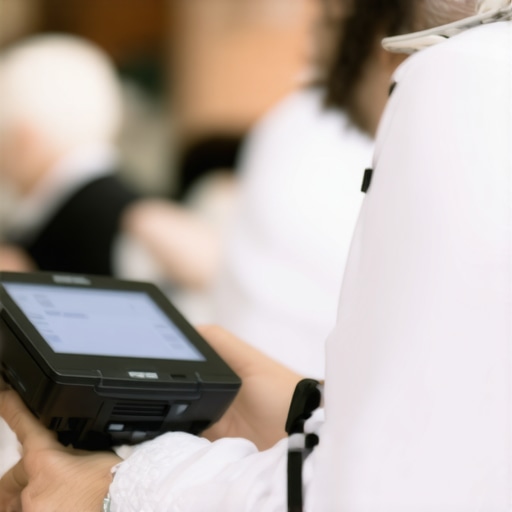
Maintaining a high standard of service during an event requires more than just skilled staff; it depends heavily on the right tools and systems that keep operations smooth from start to finish. Personally, I swear by a combination of specialized hardware and robust software to ensure everything runs without a hitch. For instance, handheld point-of-sale (POS) devices like the Square Terminal allow servers to process orders and payments instantly, reducing wait times and minimizing errors. These devices are portable, reliable, and integrate seamlessly with inventory management, which is critical for catering and wedding services. By adopting such technology, I’ve seen a marked increase in efficiency and guest satisfaction.
Beyond hardware, software solutions play an equally crucial role. I recommend Trello for event planning collaboration, especially when coordinating large teams. Its visual interfaces and task assignments help keep everyone on the same page. Additionally, event-specific management platforms like CaterTrack offer real-time tracking of staffing, inventory, and timing—all vital for complex corporate functions. Investing in these tools might seem like an upfront cost, but the long-term payoff in streamlined operations and fewer mistakes is priceless.
Predictions point toward even greater automation and AI integration in event management. Smart systems that predict service bottlenecks or dynamically assign staff based on guest flow are on the horizon, which could revolutionize the industry. Embracing foundational tools now sets the stage for smoother scaling and future innovation.
How do I keep my tools effective over time?
Regular maintenance is key. This includes updating software, calibrating hardware, and training staff to adapt to new features. For instance, firmware updates for POS devices often come with security patches and efficiency improvements, so schedule quarterly reviews. Similarly, software like Trello benefits from periodic cleanup of old tasks and re-assessment of workflow layouts to match evolving event needs. Just as servers need continual training, your operational tools require disciplined upkeep to prevent obsolescence and ensure peak performance. For insights on maintaining your event infrastructure, see this comprehensive guide.
To get practical, try implementing a weekly check of your hardware and a monthly software audit. It’s a small investment of time with huge dividends in event quality and reliability. As the industry moves toward smarter automation, those who are proactive with maintenance will stay ahead, ensuring your events stay seamless and spectacular every time.
Incorporating these specific tools and consistent upkeep gives you reliable control over your event’s operations. Have you tested any new tech lately that transformed your workflow? Share your experience and consider trying a dedicated POS device or management platform today—your team and guests will thank you for it.
What I Wish I Knew Before Relying on Cheap Servers
Early in my career, I believed that hiring any friendly face would suffice. However, I soon learned that experience, attitude, and ongoing training truly set the great apart from the mediocre. Investing in your team’s development creates a ripple effect of guest satisfaction that no last-minute fix can mimic.
How Small Details Make the Big Difference
From pre-event briefings to role-specific responsibilities, meticulous planning is the secret sauce. I discovered that even a brief, focused team huddle can align everyone’s efforts, prevent missteps, and elevate the entire event experience. Never underestimate the power of those few minutes to set your team up for success.
The Next-Level Tools That Transform Service
Embracing technology like portable POS devices and management platforms like this not only streamlines operations but also demonstrates professionalism. Regularly updating and maintaining these tools is essential—think of it as nurturing your most valuable assets for flawless execution.
Creative Strategies for a Seamless Flow
Optimizing staffing ratios and zones ensures no guest feels neglected or overwhelmed. I’ve found that strategic placement and dynamic adjustment—like reallocating servers during high-traffic moments—can drastically reduce wait times and bottlenecks. It’s about designing the service layout with guest experience at the forefront.
Why Continuous Feedback Fuels Victory
Implementing a live feedback system with discreet check-ins transforms reactive to proactive management. After experiencing this firsthand during a corporate fundraiser, I realized that immediate adjustments prevent small issues from escalating, ultimately preserving the event’s integrity and guests’ enjoyment.
Insider Wisdom for Lasting Impact
- Never cut corners on staff training; your reputation depends on their expertise.
- Small pre-event meetings can prevent chaos and foster teamwork.
- Invest in reliable technology—it pays for itself through efficiency and guest delight.
- Shape your staffing plan like a puzzle—every piece must fit perfectly for smooth service.
- Staying adaptable and listening to instant feedback can save your event from potential pitfalls.
Tools That Keep You Ahead of the Game
- Explore this comprehensive guide to crafting a winning catering budget, balancing quality and capacity.
- Leverage top industry resources for cutting-edge service techniques and event planning trends.
- Utilize management tools like this platform to streamline staffing, inventory, and guest flow data.
- Stay informed with checklists and planning tips that ensure no detail is overlooked.
Your Chance to Elevate Every Event
Remember, excellence in service doesn’t happen by chance—it’s a series of deliberate choices, continuous learning, and strategic investments. Embrace these lessons, leverage the right tools, and watch as your events become unforgettable experiences for every guest.
Have you implemented any innovative service practices recently? Share your stories below and join the community of professionals committed to raising the bar in event catering!
,