

I remember the moment clearly—standing at the edge of a bustling wedding reception, watching our servers frantically rush around, and realizing we had underestimated the importance of selecting the perfect team. That lightbulb moment hit hard: the difference between a memorable celebration and a stressful chaos often boils down to the server team we trust with our most precious moments. As someone who’s been on both sides of the table—organizing and executing high-stakes events—I know firsthand how crucial this choice is.
When you’re planning an event that matters—be it a wedding, a corporate gala, or an anniversary dinner—the server team isn’t just there to serve food. They’re ambassadors of your vision, the silent force ensuring every guest feels valued and every moment goes smoothly. Yet, I’ve seen countless hosts fall into common traps: rushing to hire the cheapest option, overlooking experience, or failing to clearly communicate expectations.
Today, I’ll walk you through how to pick a server team that elevates your event rather than sabotages it. We’ll cover how to identify professional skills, the telltale signs of a reliable team, and the mistakes I made early on that almost cost me a top-tier event.
Why Picking the Right Servers Can Make or Break Your Event
Choosing the right server team doesn’t just influence the moment-to-moment service; it impacts your guests’ impressions, the flow of your event, and ultimately, your peace of mind. According to industry experts, a professional server team enhances guest satisfaction and can even boost your event’s overall success. For example, a study by the National Restaurant Association highlights that well-trained service staff can increase guest satisfaction scores by up to 25%. That’s a staggering difference, especially for high-stakes occasions.
But here’s the catch—many hosts focus solely on the menu and venue, neglecting the servers’ skills. I once learned this lesson the hard way when I hired a team based solely on a referral without verifying their expertise. The result? Guests experienced delay, confusion, and a lack of professionalism that detracted from the celebration. It was a costly mistake, but a valuable lesson: your server team’s competence directly correlates with the event’s success.
If you’ve ever worried whether your chosen team will truly perform under pressure, you’re not alone. The truth is, the process of vetting servers can seem daunting—especially if you’re unfamiliar with the industry standards. That’s why I’ve compiled practical tips and insider advice to help you navigate this crucial aspect of event planning.
Ready to dive into how to select a server team that impresses from start to finish? Let’s explore the qualities and skills to look for—and what red flags to watch out for—so you can host your next event with confidence.
Assess Experience Through Real Scenarios
Begin by asking candidates to describe their previous roles in similar events. For instance, during my last wedding, I inquired about how they handled unexpected dietary requests. A seasoned server will share specific incidents, showcasing adaptability. Look for evidence of handling high-pressure situations calmly and efficiently, ensuring they can handle your event’s scale and complexity.
Verify Certifications and Professionalism
Ensure the team holds relevant certifications such as food safety and responsible alcohol service. I once hired a team without verifying their certifications, which led to compliance issues during a corporate dinner. Confirm certifications upfront and observe their attitude—professional servers will prioritize punctuality and polished presentation.
Conduct Practical Skills Drills
Request a demonstration of their service techniques or conduct a short trial. When preparing for a large gala, I arranged a mini service session to observe their pouring, plate handling, and guest interaction. This hands-on approach reveals their competence and attention to detail, preventing surprises on the big day.
Evaluate Communication Skills
Clear communication is vital, especially during complex service sequences. During a previous event, I practiced a scenario where servers had to relay special guest requests discreetly. Their ability to convey information accurately and discreetly is a strong indicator of their fit for high-stakes functions. Role-playing exercises can expose their real-time responsiveness and professionalism.
Check Team Cohesion and Attire
A cohesive team presents a unified front. I observed a seasoned team working seamlessly during a wedding reception, aligning their movements and attire flawlessly. Clarify dress code expectations and observe how candidates present themselves—it reflects their attention to detail and respect for your event’s style.
Assess Flexibility and Problem-Solving Abilities
Discuss potential challenges with candidates, such as handling a spilled drink or a guest complaint. During a corporate event, a server swiftly addressed a spill without disrupting service, highlighting their problem-solving skills. Prioritize servers who show initiative and calmness in unpredictable situations, as this resilience keeps your event on track.
Gather References and Feedback
Request references from past clients or employers. I followed up with a previous client who praised their team’s punctuality and discretion, which helped solidify my decision. Positive feedback from reliable sources offers peace of mind and confirms their capability to deliver as promised.
Integrate these steps systematically—by checking credentials, practicing role-plays, and verifying team chemistry—you build a reliable server team that elevates your event. For more insights, consider exploring server skills that make every event stand out or review the ultimate guide to corporate event catering logistics.
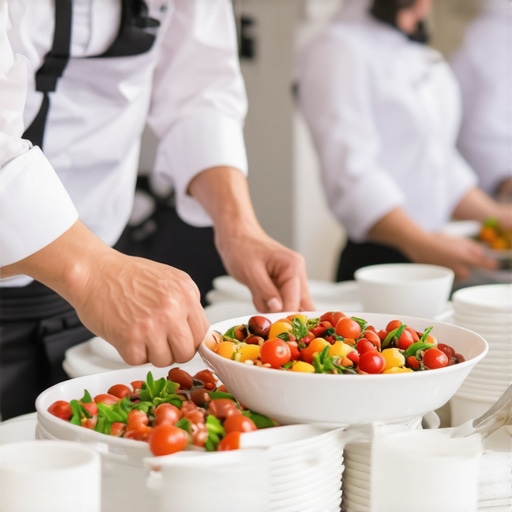 Many event hosts believe that selecting experienced servers and high-quality catering guarantees a flawless occasion. However, in my years of planning, I’ve observed a common misconception: that more expensive or established vendors automatically translate to better results. This oversimplification can lead to overlooked nuances that significantly impact your event’s success.
Is Experience Always The Key To Seamless Service?
While experience is essential, it’s not the sole factor. Many overlook the importance of adaptability and cultural fit. For example, a seasoned team unfamiliar with your event’s specific style may execute poorly or appear disconnected from your theme. Studies from industry insiders emphasize that tailored training and understanding your event’s unique needs often outperform generic experience. Hence, vetting vendors should involve scenario-based assessments rather than just reviewing their resumes.
Another trap is assuming that catering quality hinges solely on menu selection. Many hosts focus on gourmet options but neglect the significance of presentation and service flow. For instance, a beautifully plated dish can be overshadowed by slow or disorganized service, leaving guests frustrated. The real secret lies in integrating culinary excellence with efficient service protocols. Consulting guides on effective catering strategies can help align these elements seamlessly.
Furthermore, there’s a common myth that larger staff ratios inevitably improve service. While it might seem logical, overcrowding can cause confusion and hinder guest interaction. Instead, optimal staffing focuses on quality and coordination. Top-tier servers trained in unobtrusive service techniques — like those highlighted in this resource — can enhance the guest experience without overwhelming the venue.
What about the role of advanced planning? Many overlook the importance of pre-event briefings and communication strategies. A detailed run-through with your team can prevent last-minute mishaps. For example, discussing contingency plans for dietary restrictions or technical issues ensures everyone is on the same page. Don’t underestimate the impact of ongoing coordination—it’s often an overlooked secret to smooth execution.
In summary, while selecting reputable vendors is vital, understanding these nuanced factors—like customizing training, balancing staff ratios, and pre-planning—can differentiate a good event from a remarkable one. Avoid the trap of oversimplification; instead, focus on the fine details that truly elevate your experience. Have you ever fallen into this trap? Let me know in the comments.
Invest in Reliable Equipment for Consistent Service
To ensure your servers operate without a hitch, high-quality supplies are non-negotiable. I personally rely on stainless steel chafing dishes with adjustable thermostats, which I find more dependable than cheaper alternatives. They maintain food temperature uniformly, reducing the risk of cold plates or overcooked dishes. For service tools, I swear by the OXO Good Grips line; their ergonomic handles and durability make a real difference during busy service periods. Investing in these items upfront pays off by minimizing downtime and guest complaints.
Harness Technology for Better Coordination
In today’s fast-paced event environments, software makes a tangible difference. I recommend using server management apps that allow your team to communicate seamlessly via tablets or smartphones. These tools facilitate real-time updates on guest requests, dietary restrictions, and service timing, ensuring everyone stays in sync. Over the years, I’ve seen technology streamline operations significantly—reducing errors and freeing staff to focus on guest interaction, rather than chasing down information.
Implement Routine Maintenance Checks
Set aside 10-minute daily rituals before each event to inspect equipment and supplies. Simple tasks like calibrating heating elements, replenishing linens, and checking utensil stocks prevent small issues from escalating during service. For example, during a corporate retreat, a quick pre-event check uncovered a malfunctioning portable warmer, allowing me to replace it ahead of schedule and avoid spoilage. Consistent maintenance cultivates reliability, gives your team confidence, and enhances the overall guest experience.
Establish Clear Documentation and Training
Keep detailed manuals and checklists for your team, covering everything from equipment operation to emergency procedures. I personally maintain an updated digital document folder that staff can access from any device. This practice simplifies onboarding and ensures everyone is aligned on protocols, which reduces variability and mishaps. As industry standards evolve, so should your documentation; this ongoing commitment guarantees your operation remains professional and resilient.
Plan for Long-Term Results and Scaling
As your event operation grows, so does the complexity of maintenance. Keep investing in scalable equipment, like modular chafing stations and battery-powered POS systems, that can adapt to larger or more diverse events. Also, regularly review supplier contracts and keep backup vendors in mind; this flexibility can save time and money in the long run. Looking ahead, integrating IoT-enabled devices—like smart thermostats—could provide even more precise control and automation, further enhancing efficiency and consistency.
How do I maintain efficiency over time?
Consistency hinges on routine checks, technological upgrades, and clear documentation. Make it a habit to schedule weekly equipment audits, stay informed about the latest industry tools through resources like effective event strategies, and train staff regularly. This proactive approach not only prevents breakdowns but also builds a resilient team capable of handling unforeseen challenges. Why not try incorporating a daily pre-event checklist this week? It’s a simple way to gain immediate improvements and set the stage for effortless scalability.
The Hidden Lessons Behind Every Flawless Service
One of the most eye-opening truths I discovered is that experience alone doesn’t guarantee perfect service. Often, it’s adaptability—the ability to think on your feet—that makes all the difference. I once watched a team handle a sudden last-minute dietary restriction with poise, turning what could have been a crisis into a guest-highlight moment. That taught me to look beyond resumes and focus on situational agility, which I now prioritize when vetting servers.
Another lesson came from realizing how much environment and team chemistry impact service quality. A highly skilled group can falter if they don’t vibe well together. During a complex corporate event, the seamless coordination among my team was like watching a well-rehearsed dance—props to their cohesion and shared standards. Strong team dynamics are the backbone of dependable service, and I now ensure this through team exercises and observation.
The most profound insight? Never underestimate the power of a pre-event calibration. Clear communication on expectations, special needs, and contingency plans saves countless headaches. I always conduct a detailed briefing with my team, which serves as a blueprint for smooth execution—it’s so crucial that I consider it as important as the menu itself.
My Go-To Arsenal for Elevating Event Service
Over the years, I’ve curated a toolkit that consistently delivers quality. For instance, I swear by stainless steel chafing dishes with adjustable thermostats—they’re reliable, easy to clean, and maintain food integrity. They drastically reduce service delays compared to cheap alternatives. Additionally, on the electronic front, server management apps have become indispensable for real-time coordination, especially during bustling moments or large events.
Another game-changer has been investing in comprehensive training manuals and checklists accessible via smartphones and tablets. These resources keep the team aligned, even as they adapt to unforeseen challenges. As I plan for scalability, these tools lay the foundation for consistent excellence regardless of event size, bringing peace of mind and a wow factor to guests.
Finally, routine equipment maintenance checks—scheduled weekly but especially before big events—detect issues early. Whether it’s calibrating warming trays or replenishing linens, these small steps prevent service disruptions and keep the team confident. Combining top-tier gear, digital tools, and disciplined routines forms my secret recipe for service that impresses every time.
Take the Leap: Boost Your Event’s Success Today
Remember, selecting the right server team isn’t just about ticking boxes—it’s about crafting an experience that guests will remember long after the event ends. Every detail, from team chemistry to equipment quality, contributes to a flawless atmosphere. Don’t be tempted to cut corners; instead, invest wisely in resources and preparation. Your guests, your clients, and your reputation will thank you for it.
What has been your biggest challenge in choosing or managing your server team? Share your story below—I’d love to hear your insights and help you elevate your next event!
,