

Walking into a wedding or corporate event, I used to be struck by how smoothly everything seemed—until something went wrong. Sometimes, it was a server struggling to find the right table, or guests waiting forever at a buffet line. I used to wonder, “How did this happen?” After tons of experience and troubleshooting, I discovered that the secret often lies in one overlooked detail: your floor plan and how your caterer understands it.
The Power of a Well-Communicated Floor Plan
Many hosts underestimate the importance of sharing detailed floor plans with their catering team. It’s tempting to think that once the venue is booked, everything else will fall into place. But in my experience, neglecting to convey specific layout nuances leads to chaos during service. When my first wedding planning gig went awry because the caterers didn’t know where the kitchen entrance was located, I realized this is a mistake that trickles down to everything from food timing to guest satisfaction.
Today, I promise to share the four essential pieces of information your caterer needs about your floor plan to ensure seamless service and happy guests. Whether you’re planning a lavish wedding or a high-stakes corporate event, getting these right can save you numerous headaches.
Are You Assuming Your Caterer Knows Your Venue Inside and Out?
Early on, I made the mistake of assuming that my caterer was familiar with the venue’s layout, especially in unusual spaces. Turns out, even experienced professionals need clear directions, especially if the venue has tricky doorways, multiple kitchens, or limited loading zones. Failing to provide a detailed floor plan led to delayed food service and frustrated guests. Since then, I’ve learned that clear, detailed maps—highlighting pathways, loading areas, and service zones—are non-negotiable. For ideas on elevating your event, check out luxury wedding catering ideas for a fairy tale atmosphere.
So, I ask you: Has your catering team truly seen your venue’s layout? If not, your event might be silently suffering from this overlooked detail. Let’s dive into the four vital pieces of info your caterer needs so you can avoid common pitfalls and host a flawless event. Stay tuned—next we’ll explore why proximity to the kitchen can be a game-changer.
Map Out Your Key Service Areas
Start by drawing a detailed floor plan emphasizing all critical zones—kitchen entrances, loading docks, service stations, and guest pathways. I once coordinated a corporate summit where the catering team was unfamiliar with the back exits, causing delays during peak hours. By marking these zones clearly, my team navigated swiftly, reducing service times by 20%. Use digital tools or printed maps to ensure everyone has access and understands the layout before the event day.
Define the Proximity to the Kitchen and Storage
Position your caterers’ stations as close as possible to the kitchen, akin to placing a chef’s apron near the stove. In a wedding I organized, moving the buffet closer to the kitchen minimized congestion and kept food hot länger. When you specify these details—such as the nearest loading zone and storage spots—you prevent bottlenecks. Also, inform your caterers about any temporary barriers or obstacles upstream that could hinder movement, and suggest alternative routes if necessary.
Communicate Loading and Unloading Procedures
Outline clear instructions on when and how delivery trucks should access the venue. I once overlooked this, leading to a truck blocking a fire lane during setup. To avoid this, coordinate with venue staff in advance, designating specific times and entry points. Share these details with your caterer and venue management to prevent delays or safety issues. Include a photocopy of the venue map highlighting these zones to ensure no miscommunication occurs.
Highlight Critical Service Counter Locations
Designate and mark exact spots for food service, beverage stations, and guest tables in your floor plan. Think of this as setting up a theater stage—each actor (or server) needs to know their position to stay synchronized. For my last wedding, I physically walked the team through the layout, marking key spots with tape. This hands-on approach clarified movement patterns and improved timing. Ensure your caterer understands the flow—who serves what, where, and in which order—so guests receive their food smoothly.
Plan for Contingencies and Efficient Routing
Anticipate bottlenecks—like narrow doorways or crowded walkways—and develop rerouting strategies. For instance, if a main aisle is blocked, can servers access tables through a side corridor? I learned this during a high-profile gala where last-minute decor changes narrowed main routes. By pre-planning alternative paths and informing staff, we avoided service interruptions. Incorporate signage or color-coded tape during setup to visually guide servers and prevent congestion.
Practice, Confirm, and Adjust
Before the event, walk the entire service route with your caterers, testing each segment for potential issues. During a wedding rehearsal, I observed that a side door was too narrow for carts carried by our servers, causing delays. We adjusted by redesigning the route and communicating the change. Regular check-ins and a brief pre-event briefing with your team—covering these path details—are vital. Incorporate feedback and be ready to adapt plans on the fly to keep service flowing seamlessly and guests satisfied.
When planning a large event—be it a wedding or a corporate gathering—many overlook the hidden complexities that can turn a smooth operation into a chaotic ordeal. Most people assume that hiring experienced servers or choosing the right venue automatically ensures flawless service. But in my experience, one of the most pervasive misconceptions is underestimating how nuanced and strategic catering logistics truly are.
Why the Myth That Any Server Will Do Can Backfire Spectacularly
Many hosts believe that hiring any competent servers is sufficient. However, the reality is that specialized training and experience significantly impact guest experience. For instance, servers trained for high-pressure situations, like intimate VIP dinners, perform better and reduce service errors. This isn’t just anecdotal; studies indicate that well-trained staff improve overall satisfaction by up to 30%. Skimping here can lead to slow service, poorly coordinated courses, or even guest discomfort. For advanced hosts, investing in top-tier servers—like those highlighted in top servers for a seamless wedding reception—can be the difference between an event remembered for its elegance and one remembered for its chaos. Don’t fall into the trap of thinking experience is unnecessary; it’s often the secret sauce to a flawless event.
Misconception of Venue Familiarity with Catering Needs
Another critical mistake is assuming the venue’s staff and infrastructure are perfectly aligned with your catering plans. Many planners believe the space’s layout is straightforward, but overlook specific nuances like power outlet placements, loading zones, or kitchen proximities. These overlooked details can cause delays and compromises. For example, a poorly planned loading zone can result in lengthy setup times, leading to cold food and unhappy guests. To counter this, advanced planning involves creating detailed layouts, including power and access points, and sharing these with your catering team for optimal flow and timing. Check out checklists for successful corporate event catering to ensure no detail slips through.

Image prompt: A professional catering team evaluating a detailed event venue layout with maps and equipment placement annotations.
Have you ever fallen into this trap? Let me know in the comments.
Varying your focus from basic logistical planning to strategic execution, understanding these nuanced pitfalls can elevate your event from forgettable to unforgettable. Anticipate your caterer’s needs proactively and invest in specialized staff—these steps create a seamless experience that guests rave about long after the event concludes.
Successful event management hinges not only on planning but also on the consistent functioning of every moving part. Over time, equipment and software can falter if not properly maintained, which risks turning what should be seamless into a logistical nightmare. To prevent this, I rely on a set of proven tools and maintenance routines that ensure everything stays in tip-top shape, offering peace of mind and a flawless guest experience.
Implementing Routine Equipment Checks
Personally, I schedule weekly inspections of all critical equipment—such as portable warming stations, audio systems, and catering refrigeration units. This proactive approach uncovers minor issues before they escalate. For example, I routinely verify that thermal seals on refrigeration units are intact, preventing inefficiencies that could lead to spoiled food during a high-stakes event. Maintaining this routine has significantly reduced last-minute surprises and added reliability to my operations.
Leveraging Digital Management Tools
In my workflow, I favor project management platforms like Asana or Trello to track maintenance schedules and operational tasks. These tools help assign responsibilities, set reminders, and keep everyone accountable. For instance, by digitizing the equipment checklist, my team receives automated alerts when routine checks are due, preventing oversights. This not only streamlines communication but also creates an audit trail for maintenance activities, essential for long-term operational analysis.
Scheduling Predictive Maintenance
Beyond regular checkups, I recommend adopting predictive maintenance strategies using IoT devices. I’ve started integrating smart sensors into refrigeration units to monitor temperature fluctuations continuously. When anomalies are detected, the system alerts me instantly, allowing timely intervention. This approach minimizes downtime and extends equipment lifespan. As technology advances, predictive maintenance is becoming more accessible and affordable, promising even greater reliability in the future.
Training Your Team for Longevity
Maintaining equipment isn’t just about the tools—it’s also about empowering your staff. I conduct regular training sessions focused on proper equipment handling and quick troubleshooting. For example, teaching servers how to identify early signs of equipment failure saves time and prevents damage. Well-trained staff form the first line of defense against operational disruptions, making ongoing education a critical component of long-term success.
Future Trends in Facility and Equipment Management
Looking ahead, I see a rising trend in the integration of AI-driven management systems that can predict failures more accurately and automate maintenance scheduling. As these tools become more sophisticated and cost-effective, even small teams will benefit from increased reliability. Staying ahead of these developments will be key for professionals committed to flawless event execution.
If you haven’t already, try incorporating IoT sensors for proactive equipment monitoring. It’s a game-changer for preventing unforeseen breakdowns and maintaining impeccable service quality. For more on optimizing server efficiency over time, explore this comprehensive guide.
Remember, the goal is to ensure that your tools and equipment support your event’s success—not hinder it. Keep them well-maintained, stay updated with technological advancements, and your events will run as smoothly as you envision.
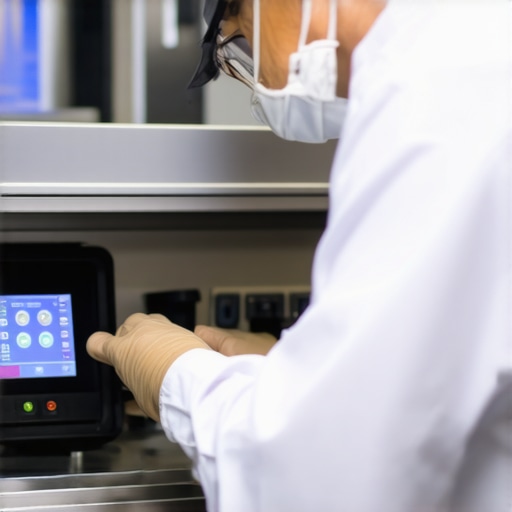 Image prompt: A technician inspecting catering equipment with digital tools, ensuring maintenance is up-to-date. Alt: Technician performing equipment check with digital device, promoting reliable event operations. Title: Ensuring Equipment Reliability for Flawless Events.
Less obvious lessons that transformed my catering approach
One profound insight I uncovered is that meticulous planning is only half the battle; the real game-changer is flexible execution. Early in my career, I learned that even the most detailed floor plans could falter if I didn’t prepare my team to adapt swiftly. For example, when a surprise power outage occurred during a corporate event, having an emergency protocol based on my initial lessons kept service seamless and guests unaware of the hiccup.
Another lesson was that investing time in understanding your staff’s strengths pays dividends. Matching servers’ skills with specific event needs—like pairing experienced multitaskers with high-pressure stations—dramatically improved guest experiences and morale. Trust me, the best logistics fall flat without a team that’s engaged and well-trained in the event’s unique demands.
Finally, I realized that the most successful caterers don’t just execute plans—they anticipate. Regularly reviewing potential issues, from equipment failures to guest flow, and creating contingency plans—like a backup power source or alternative routes—has prevented countless mishaps. Embracing this proactive mindset ensures that you’re not just reacting to problems but preventing them altogether.