

It was the night of my first large wedding, and I still remember the sinking feeling that hit me when I realized there was no way to create intimate zones in that vast, echoing ballroom. Despite my enthusiasm, I had overlooked how crucial space management is—and how greenery could be a game-changer. That lightbulb moment made me realize that, with the right use of lush foliage, you can beautifully divide even the most sprawling venues, making each zone feel inviting and functional.
Why Greenery Is Your Secret Weapon for Zone Definition
Think about a massive ballroom packed with guests. Without visual cues or barriers, it’s just an endless sea of tables and dance floors. Guests struggle to find their space, and the flow of service becomes chaotic. I used to think that only temporary partitions or elaborate drapes could solve this. But I learned the hard way that greenery doesn’t just add beauty—it also creates natural boundaries without blocking sightlines or disrupting the overall ambiance.
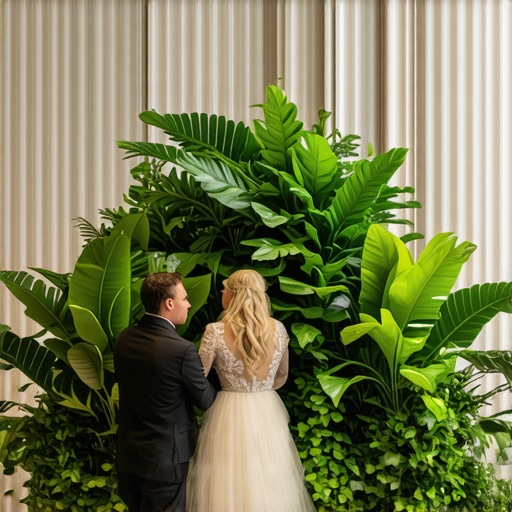
Plants and foliage offer a softer, more organic way to structure your event zones. They can be used to frame dining areas, designate dance spaces, or carve out quiet corners. And because greenery is so versatile, it complements various themes—from rustic garden weddings to sleek corporate galas.
In my early days, I made a rookie mistake: I believed that greenery was just decoration. I didn’t realize how strategic placement could influence guest movement and behavior. Now, I always advise clients to think of greenery as functional art. When properly planned, it guides guests intuitively, enhancing the flow and making the space feel cohesive.
Feeling overwhelmed about where to start? Don’t worry. I’ll walk you through simple yet effective strategies to harness greenery for zone division, so your next event feels intimate, organized, and stunning. Ready to step into a world where plants do the heavy lifting? Let’s explore how to turn your venue into a masterpiece of spatial harmony.
What if your guests still feel lost or disconnected despite your lush efforts?
I know what you’re thinking—”Will greenery really make that big of a difference?” Early on, I underestimated its potential and relied too much on traditional solutions, like partitions or lighting, which often felt sterile or temporary. Trust me, I’ve learned that the right greenery setup can be both beautiful and highly functional, creating a seamless experience for your guests and elevating your venue’s ambiance. For more insights, check out [this comprehensive guide on how to choose the perfect servers for your wedding](https://gourmetcateringsco.com/how-to-choose-the-perfect-servers-for-a-wedding), which emphasizes the importance of thoughtful space planning in enhancing guest experience.
Now that we’ve covered why greenery should be your go-to tool, let’s dive into practical ways to implement it effectively for your next event.
Prepare Your Space with Purposeful Planning
Start by analyzing your venue layout. Sketch a rough floor plan, marking out key zones like dining, dance, and lounge areas. Identify natural flow paths and areas where guest congregation is likely. In a personal experience, I once transformed a large hotel ballroom by mapping this out, which revealed dead zones needing visual separation. Use painter’s tape to outline zones physically, helping visualize greenery placement before actual setup.
Select the Right Greenery to Match Your Theme
Choose plants and foliage that complement your event style—lush ferns and palms for tropical weddings, clipped boxwoods for formal corporate events. I once used tall, slender potted bamboo to create elegant corridors in a wine-tasting event. Consider scale; taller plants can serve as visual barriers, while lower foliage fosters openness. Place plants in lightweight, moveable containers to allow repositioning during setup and guest flow adjustments.
Strategic Placement and Layering
Position greenery at key transition points, like entrances or between zones, to guide guests naturally. Use clusters rather than scatterings to create distinct boundaries. For instance, I arranged three large potted olive trees to mark a quiet lounge area, which emotionally separated it from the busy main room. Layer different heights and textures to add depth. Remember, greenery should feel integrated, not cluttered—think of it like creating a garden maze that invites exploration.
Balance Beauty and Functionality
Ensure plants do not obstruct sightlines, especially for servers and performers. During one wedding, I placed tall ferns blocking kitchen noise view but maintained clear paths for staff. Incorporate greenery with lighting—string lights or uplights—to enhance the effect after sunset. Use lightweight, weather-resistant plants for outdoor setups to withstand weather shifts, just like sturdy outdoor sculptures that double as dividers.
Coordinate with Your Servicing Team
Brief your servers on greenery placements so they can navigate efficiently and maintain pathways. A lead server should understand the zone boundaries to prevent accidental disturbances, enhancing guest experience and safety. For tips on elevating your service standards, check out this guide on professional servers.
Test and Adjust During Setup
Walk through the space as a guest to ensure zones are clearly defined yet inviting. Adjust plant placement for better flow or visual appeal. I once rearranged foliage twice during setup, eventually striking a perfect balance between zones and openness. Remember to consider accessibility—ensure no plant hinders movement or emergency exits. Use movable planters to make quick adjustments or remove greenery if needed right before the event starts.
Maintain and Reinforce Zones Throughout Event
Set up staff to monitor greenery conditions—watering, trimming, and repositioning if necessary. A well-maintained setup preserves the aesthetic and functional boundaries. For larger events, assign specific team members to manage different zones, ensuring consistency. By doing so, you reinforce the natural division and keep the environment polished throughout, much like a well-tended garden.
 Many overlook the nuances that truly elevate successful events, especially when it comes to catering and service. Contrary to popular belief, focusing solely on menu variety or flashy decor isn’t enough; the real mastery lies in understanding the intricacies of server coordination and client expectations. A frequent trap is underestimating the importance of comprehensive staff training. Without it, even the most exquisite menu can fall flat due to poor presentation or timing. Advanced event planners meticulously train their servers not just in serving techniques but in anticipating guest needs, creating a seamless experience that feels effortless.
Another misconception is that larger staff ratios guarantee better service. While having enough servers is critical, overstaffing can lead to confusion and a cluttered environment, hindering rather than helping. The key is optimizing server skills through targeted training programs—like those highlighted in this resource on server skills. This ensures each server is a master of efficiency and guest interaction, ultimately enhancing the overall atmosphere.
A common myth is that sticking rigidly to traditional service formats suits all events. In reality, customizing service style—whether tray-passed appetizers, family-style dining, or sleek buffet lines—can significantly impact guest satisfaction. It’s essential to consider venue layout, event type, and guest demographics. Many overlook the importance of pre-event planning meetings with servers to align expectations and clarify roles, which can prevent misunderstandings during the actual event.
What if your catering approach is missing a subtle yet impactful detail? The way servers present and clear dishes influences the event’s tone. For instance, training servers to clear glasses between courses discreetly or engage warmly with guests fosters a welcoming environment. This level of finesse often separates average events from unforgettable ones.
In the realm of corporate events, the hidden nuance often involves the synchronization between catering and event flow. Overlooking the timing of dish service and the venue’s logistical constraints can cause bottlenecks, leading to guest frustration. My advice is to conduct thorough walkthroughs and rehearsals, as emphasized in this guide on catering strategies. Doing so reveals subtle issues that, if unaddressed, can undermine even the most lavish arrangements.
The importance of adaptive service cannot be overstated. A successful caterer anticipates last-minute changes—menu adjustments, staffing shortages, or technical hiccups—and prepares contingency plans. Ignoring these factors risks turning small problems into major disruptions. A proactive mindset and continuous staff education are your best defenses.
Have you ever fallen into this trap? Let me know in the comments. Mastering the hidden nuances of catering and service transforms good events into truly memorable experiences, impressing clients and guests alike.Maintaining flawless operations during catering, weddings, or corporate events requires the right arsenal of tools and methods. Personally, I’ve found that investing in high-quality portable dishwashers like the “Hobart AMX-200” has revolutionized how quickly I get back to service — it’s compact, energy-efficient, and handles large loads effortlessly, ensuring hygiene standards are consistently met. For communication, radio systems such as the “Motorola CLS1110” have become indispensable; they offer clear, reliable channels that cut down on misunderstandings and enable swift coordination across staff, especially during large-scale events. Additionally, I rely heavily on digital planning tools like Asana or Trello to keep track of every detail—from setup progress to service timing—allowing me to spot potential hiccups before they escalate.
Looking ahead, I believe automation and smart equipment will become even more integral. Imagine using IoT-enabled kitchen gadgets that monitor temperatures or predict maintenance needs in real time, decreasing downtime and ensuring operational continuity. Staying on top of these evolving technologies will be crucial for event professionals aiming for excellence.
How do I keep my event operations running smoothly over time?
Consistent maintenance is key. I recommend establishing a routine checklist for all equipment—regularly inspect, clean, and service your tools to prevent unexpected failures. For example, scheduled deep cleans of your portable units and timely software updates for communication devices ensure longevity and optimal performance. Connecting with trusted vendors or service providers dedicated to event equipment maintenance can save you from last-minute crises. Additionally, training your team regularly on best practices and troubleshooting common issues — perhaps through resources like this server skills guide — keeps everyone prepared.
Keep a detailed log of equipment performance and repairs to identify patterns or recurring problems, allowing you to preemptively address potential downtimes. Also, integrating preventive maintenance schedules based on manufacturers’ recommendations extends the lifespan of your tools and ensures consistent quality.
Don’t forget to document lessons learned after each event. For instance, if a particular microphone or portable heater experienced issues, note it to avoid repeat errors. This practice fosters continuous improvement and helps your team develop expertise.
Ready to upgrade your event maintenance game? Start by reviewing your current inventory and establishing a preventive maintenance log. Trust me, the time invested now pays off in smoother, more professional events in the long run. For advanced staffing solutions, consider exploring the latest server staffing trends to ensure your team remains sharp and responsive. Check your equipment regularly, optimize your routines, and watch your event quality soar.
Lessons I Didn’t Expect to Learn from Catering and Weddings
One of the most surprising lessons I gained was realizing how much strategic greenery placement impacts guest flow and atmosphere. Early in my career, I thought decor was purely aesthetic, but I discovered that plants can serve as natural dividers, guiding movement seamlessly. Additionally, I learned that training servers isn’t just about technique but about anticipating needs and creating a smooth, unobtrusive experience. It dawned on me that understanding subtle cues can elevate an event from good to unforgettable, fostering genuine guest engagement.
Another lightbulb moment was recognizing the importance of pre-event testing and flexibility. No plan is foolproof—reality requires quick thinking and adjustments. For example, a quick rearrangement of foliage or a communication tweak between staff can make all the difference. It’s also clear that maintaining equipment like portable dishwashers or reliable radios isn’t just setup; it’s a cornerstone of consistent quality. These lessons reminded me that mastery comes from continuous observation and adaptation, especially when managing the nuances that guests and clients never see but always feel.
My Go-To Resources That Keep Me Ahead
Among the tools I trust most is the Server Skills Guide. It provides actionable insights into staff training and guest interaction, critical for seamless service. For planning and logistics, I rely on project management tools like Trello, which help me visualize and adjust event layouts swiftly. To stay updated with trends, event industry inspiration sites inspire fresh ideas and best practices. Lastly, I never underestimate the value of industry podcasts that delve into the latest technology and service methods—keeping me sharp and prepared for evolving challenges.
Time to Elevate Your Event Game
You have the power to transform your approach to catering and event management by applying these insider lessons. Whether it’s strategic greenery placement or staff training finesse, remember that continuous learning and small tweaks lead to big wins. Don’t hesitate to experiment with new ideas—your next event could be your most impressive yet. Embrace the journey of mastering the nuanced craft of catering and event planning, and watch your events flourish beyond expectations.
What’s one technique you believe could immediately upgrade your next event? Share your thoughts below — I’d love to hear your experiences!