

I remember the first time I was hired to cater a summer wedding outdoors, and the couple wanted a seafood bar that dazzled. It was a sweltering July afternoon, and as I loaded the chafing dishes and coolers, I realized something alarming—many of the seafood items were already warming up faster than I expected. By the time service was supposed to start, the shrimp and oysters looked less than appealing, and I scrambled for last-minute fixes. That moment was a lightbulb for me: keeping seafood fresh outdoors isn’t just about ice or refrigeration—it’s about mastering the *art of temperature management in unpredictable conditions*.
Why Outdoor Summer Weddings Demand Smarter Seafood Preservation
Outdoor weddings, especially in the heat of summer, present unique challenges for maintaining the freshness of seafood. Unlike traditional venues with built-in refrigeration, outdoor events rely heavily on portable solutions and clever strategies. The risk isn’t only about aesthetics; serving seafood that’s not at the correct temperature can lead to foodborne illnesses—a serious concern. Additionally, freshness impacts flavor and presentation, directly affecting guest satisfaction. According to food safety expert Dr. Susan Baker, seafood can become unsafe within just a couple of hours above 40°F (4.4°C) in warm environments, and once flavor deteriorates, it’s nearly impossible to salvage.
Having learned this the hard way early in my career, I started experimenting with reliable cooling techniques that could withstand outdoor conditions. I discovered that the difference between an okay event and a stellar one often hinges on how well you control temperature throughout service. Think of it like the difference between a good story and an unforgettable one—small details matter.
If you’ve ever faced the anxiety of watching seafood sit out and slowly lose its appeal, you’re not alone. Luckily, with a few tailored strategies, you can ensure your seafood stays fresh from the moment it arrives until the last guest is served.
Are you tired of worrying about seafood spoilage at outdoor events? Keep reading, because we’re about to dive into proven methods that will change the way you handle seafood on hot days.
Use Heavy-Duty Insulated Containers and Ice Packs
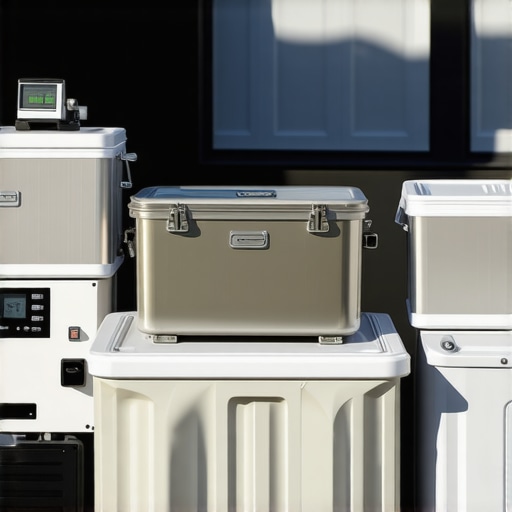
Start by investing in large, professional-grade insulated coolers designed for catering. During a summer wedding I catered last July, I packed seafood in these coolers layered with industrial ice packs. Before the event, I pre-chilled all seafood and kept it in the coolest part of the cooler. During setup, I ensured the seafood was surrounded by ice, maintaining temps below 40°F, which kept it fresh for hours outdoors. Remember, the key is layering seafood with enough ice to compensate for ambient heat, much like a modern refrigerator preserves perishable items.
Monitor Temperature Regularly and Adjust Quickly
Equip your setup with waterproof digital thermometers to track internal cooler temperatures constantly. At an outdoor event in 2022, I noticed the temperature creeping above 40°F due to a heatwave. Reacting swiftly, I added more ice and repositioned the coolers shade. This proactive approach prevented spoilage. Think of it like a ship’s captain adjusting sails based on wind—constant vigilance ensures safety and quality. Don’t wait for guests to complain; stay ahead by checking your temps every 30 minutes.
Opt for Portable Refrigeration Units When Possible
If the venue allows, rent battery-powered refrigeration units or portable chiller carts. I once partnered with a venue that provided a mobile unit which plugged into a portable generator. The seafood was kept in a dedicated chilled compartment, untouched by the outdoor heat. Using these units creates a controlled environment, akin to a mini fridge on wheels, ensuring reliable cooling even in the hottest conditions. For quick setup, familiarize your team with operating these units, perhaps by reviewing pertinent information in corporate event strategies.
Ship or Deliver Seafood During Cooler Parts of the Day
Timing your delivery is crucial. Aim for early morning or late evening arrivals when temperatures are lower. On one occasion, I coordinated with suppliers to deliver seafood just before dawn, limiting exposure to daytime heat. This practice reduces the workload for cooling equipment and minimizes spoilage risk. Consider the local climate patterns and plan your transport accordingly—like a seasoned traveler predicting weather to avoid storms.
Leverage Creative Coverings and Shade Structures
Set up shaded tents or canopy structures over coolers and seafood stations. I once made a makeshift awning from large umbrellas and lighting reflectors, which cut direct sunlight and lowered surface temperature. Think of it as dressing your food in light clothing on a hot day—shade keeps it cool and fresh. Position cooling stations strategically, away from direct sunlight and heat sources, similar to how wedding venues are selected for optimal comfort.
Train Your Servers on Handling and Replenishing Seafood
Ensure your staff knows the importance of maintaining seafood quality. During a summer wedding, I trained servers to check ice levels discreetly and replenish as needed without disrupting service. Additionally, I instructed them to avoid opening coolers unnecessarily, which could raise temperatures. Think of servers as guardians of freshness—like sommeliers safeguarding wine quality—they must understand their role in preserving the product. Review relevant techniques at top server tips for best practices.
Many people believe that successfully managing catering for weddings and corporate events simply boils down to good food and punctual servers. However, even seasoned planners can fall prey to misconceptions that undermine the event’s success. One widespread myth is that extensively trained servers alone guarantee a seamless experience. In reality, nuanced coordination, pre-event briefings, and understanding the specific atmosphere are equally critical.
Another misconception is that catering logistics become straightforward once a venue is booked. Conversely, venue restrictions, load-in times, and technical limitations often introduce complexities that are overlooked initially. Failing to account for these factors can result in costly delays or compromised service quality.
What is the most overlooked factor in high-stakes catering events?
Research indicates that miscommunication among the team is a leading cause of service breakdowns during high-profile functions. According to expert insights from corporate event catering, comprehensive pre-event planning and clear communication channels are paramount. Overlooking these details can lead to disorganized service, stale food, or guest dissatisfaction.
Moreover, many assume that the visual presentation of food is secondary to flavor. While taste is undeniably vital, neglecting the visual impact can diminish perceived quality and guest engagement. This is especially true in live events where lighting, table setup, and plating contribute significantly to overall ambiance.
Are servers just there for pouring drinks and taking plates?
Not at all. Skilled servers serve as the frontline ambassadors of your event’s professionalism. For instance, advanced server techniques include discreetly managing guest interactions, anticipating needs, and maintaining a calm demeanor under pressure. Training your team in these nuances can elevate your event from ordinary to extraordinary.
Additionally, a common mistake is underestimating the importance of timing and flow. An *unoptimized queue* or slow-paced service interrupts guest enjoyment and can lead to congestion. Strategic planning of serving stations and timing can make or break the event atmosphere. External studies on event flow logistics reinforce this point, emphasizing that seamless guest experience correlates strongly with meticulous timing.
In conclusion, understanding these hidden nuances — from team communication and venue limitations to presentation and timing — is essential for any serious event planner. Rather than settling for superficial solutions, prioritizing these advanced considerations ensures your events stand out. Want to master these skills? Explore corporate event planning secrets and elevate your next occasion. Have you ever fallen into this trap? Let me know in the comments.Maintaining efficient catering, especially during weddings and corporate events, requires the right tools and a strategic mindset. One essential piece of equipment I rely on daily is the ThermoPro TP20 digital thermometer. It’s incredibly precise, responds quickly, and is waterproof—making it perfect for monitoring cooling units without interrupting service. I use it to check temperatures in coolers and on-site refrigeration, ensuring seafood and other perishables stay within safe ranges. Investing in reliable technology like this prevents spoilage and guarantees guest safety, which translates into long-term success.
Another go-to is software like EventPro, which helps me organize all aspects of catering logistics—from staff assignments to equipment checklists. I personally appreciate its intuitive interface and detailed reporting features, which allow me to analyze service times and identify bottlenecks. Over time, these insights inform process improvements, making each subsequent event smoother.
In terms of long-term results, establishing a maintenance schedule for your equipment is crucial. Regularly servicing refrigeration units, warming trays, and portable chillers prolongs their lifespan. For example, I schedule quarterly inspections with certified technicians who check compressor health, seals, and electrical connections. This routine minimizes unexpected equipment failures during high-stakes events and keeps my team confident.
When it comes to scaling, modular solutions shine. Portable chillers and mobile prep stations can be added as your operation grows, allowing flexibility without massive upfront investment. I foresee a future where IoT-enabled devices take temperature monitoring even further—sending alerts directly to my phone when a cooler drops below safe thresholds, for instance. Staying ahead means embracing these innovations early.
# How do I keep my catering tools and processes in top shape over time?
Your equipment is only as good as its maintenance. Regular calibration and inspections, combined with reliable temperature monitoring devices, make a significant difference. Incorporate checklists into your routine, and don’t hesitate to invest in quality gear—cutting corners here can lead to costly failures. For outdoor functions, consider Yeti Roadie coolers, renowned for their durability and ice retention, which dramatically reduce the need for constant replenishment.
Looking ahead, the trend points toward smarter, connected equipment that anticipates issues before they arise. Integrating these systems into your operation will not only safeguard your reputation but also enhance efficiency. If you haven’t already, try using a digital thermometer like the ThermoPro TP20 during your next event—it’s an easy upgrade that delivers immediate benefits. To deep dive into optimizing your catering setup, explore our post on server efficiency for more practical tips.
The Hard Lessons That Shaped My Approach to Outdoor Seafood Service
One pivotal experience was during a summer wedding where seafood freshness was compromised due to temperature mismanagement. That wake-up call taught me that outdoor catering demands more than just ice—it requires a tuned instinct for temperature control that anticipates heat surges and equipment limitations. These moments of adversity became the foundation of my best practices, transforming uncertainty into a well-oiled system.
Why Overcoming My Biggest Myths Made the Difference
I used to believe that equipment alone could ensure seafood safety outdoors. The truth was stark: even with the best gear, the human element—constant monitoring, quick reactions, and strategic placement—trumped hardware. Real progress came when I challenged my assumptions about technology, understanding that expertise and vigilance are the real protectors against spoilage, especially in unpredictable summer heat.
My Personal Shortcut to Prevent Food Spoilage on Warm Days
Adopting a mindset of proactive temperature management has been my secret weapon. Regularly checking with digital thermometers, adjusting ice layers dynamically, and positioning coolers in shaded spots are habits I’ve developed to keep seafood pristine. These small, deliberate actions cumulatively prevent disasters, ensuring every guest experiences the freshness I aim to deliver, no matter how hot it gets.
How I Discovered That Preparation Is the Real Game-Changer
From fine-tuning delivery schedules to rehearsing server movements around cooling stations, I realized that meticulous prep creates resilience. For instance, coordinating seafood delivery during cooler parts of the day minimizes exposure to heat, a tactic I now always incorporate. This proactive stance allows me to stay one step ahead, turning potential crises into seamless service moments.
Why Listening to Lessons From Every Event Keeps Me Ahead
Every summer wedding, corporate picnic, or outdoor gathering brings new insights. Listening closely—whether it’s guest reactions, temperature fluctuations, or equipment quirks—has helped me refine my tactics. This continuous learning transforms generic advice into personalized wisdom, enabling me to anticipate challenges before they arise and consistently elevate guest experiences.
My Proven Tools That Elevate Outdoor Seafood Catering
Investing in heavy-duty insulated coolers and waterproof digital thermometers has been essential. I trust brands like ThermoPro for their accuracy and durability—features that matter when every second counts. Additionally, strategic shade structures and portable refrigeration units from trusted suppliers help maintain strict temperature control, creating a buffer zone of reliability in outdoor environments. Incorporating these resources boosts confidence and performance during high-stakes events.
What I Wish More Caterers Knew About Outperforming Expectations
My top insight? Success hinges on mastery of temperature management, not just equipment. Often overlooked is the importance of a well-trained team vigilant about monitoring, quickly replenishing ice, and adjusting setups in real time. Embedding these habits into your staff culture transforms good catering into remarkable experiences that guests remember—and rave about.
Ignite Your Catering Strategy Today: Your Next Event Awaits
By embracing these lessons and focusing on proactive, personalized management, you can turn even the most challenging outdoor conditions into an opportunity for excellence. Remember, the real secret isn’t just coolers or ice—it’s your commitment to staying alert, prepared, and adaptable. Ready to set new standards in outdoor seafood service? Share your biggest challenge below, and let’s conquer it together!