

It was a typical Friday afternoon when I watched my executive team shuffle miserably past the buffet line at a recent corporate event. The clatter of plates, the hurried nature of service, and the visible signs of frustration—these are moments that made me realize something crucial: the traditional buffet just isn’t cutting it anymore. Have you ever stood in a long line, only to see guests frustrated and their appetites waning? If so, you’re not alone. This experience sparked my curiosity and led me to explore why more high-powered teams are opting for private chefs instead of crowded buffets.
The Shift Towards Personal Culinary Experiences
As I delved deeper, I discovered that the preference for private chefs isn’t just a trend—it’s a response to the modern demand for personalized, seamless, and high-quality dining experiences. Unlike buffets, where the focus is on quantity and speed, private chefs offer tailored menus that cater to individual tastes and dietary restrictions. This not only elevates the guest experience but also reflects the company’s attention to detail and commitment to excellence.
Consider the implications for your next event. Wouldn’t it be transformative to provide guests with a culinary experience that feels exclusive and thoughtfully curated? Studies have shown that personalized service significantly enhances guest satisfaction, which in corporate settings translates directly to stronger relationships and better networking opportunities. For a comprehensive understanding, you might want to review our article on [corporate event catering strategies for success](https://gourmetcateringsco.com/corporate-event-catering-strategies-for-success).
Have you faced the challenge of keeping your guests engaged and satisfied without the chaos of a buffet? If so, you’re in the right place. We’re about to explore the tangible benefits of incorporating private chefs into your event planning, backed by real-world examples and expert insights.
Design a Custom Menu that Wows
Start by understanding your guests’ preferences and dietary restrictions. Use consultations with the private chef to craft a menu that balances elegance and practicality. For example, I once coordinated a corporate retreat where the chef created a fusion menu blending local flavors with international cuisines, which received rave reviews and kept everyone engaged.
Coordinate Seamless Service Logistics
Map out the event space meticulously, considering the flow of guests and service stations. Think of it as designing a city street; every route should minimize congestion. I once supervised a product launch where misaligned kitchen and server timings initially caused delays, but after implementing a detailed timeline and training, service became flawless, leading to happier clients.
Hire Skilled, Discreet Servers
Choose servers with experience in high-end events, emphasizing their ability to stay unobtrusive. Proper training on the menu and event flow ensures they can answer guest questions confidently. I once arranged a private dinner where servers seamlessly navigated through a crowded room, creating an atmosphere of exclusivity. Learn more about selecting top servers.
Manage Equipment and Supplies Effectively
Work with the chef to determine necessary kitchen tools and ensure the venue supports high-quality preparation. Consider renting specialty equipment if needed. For outdoor events, I once coordinated with a chef to set up portable warmers and refrigeration, preventing food spoilage and ensuring timely presentation.
Implement Feedback and Adjustments in Real-Time
During the event, monitor service efficiency and guest satisfaction. Provide discreet feedback to staff if adjustments are needed. After one corporate dinner, a quick debrief helped us tweak the flow, reducing wait times for the after-dinner drinks, enhancing overall guest experience. Remember, continuous improvement is key to mastering private chef integration.
While many assume perfect execution hinges on simple logistics or a shiny venue, the reality is far more nuanced. Some of the most costly mistakes happen when organizers overlook the subtle details that elevate or ruin an event. For example, it’s a common myth that hiring the most expensive servers guarantees top-notch service. In my experience, the real key is hiring skilled, discreet staff trained in high-pressure scenarios, not just those with shiny badges. Poorly trained servers can disrupt the flow, cause delays, and leave guests feeling overlooked, regardless of their attire or experience. This nuance is critical: even seasoned professionals can falter if they lack proper briefing or understanding of the event’s flow. Don’t fall into the trap of assuming experience alone suffices; invest in targeted training tailored to your specific event type.
Another misconception is that elaborate decorations or trendy themes compensate for poor service or planning. The truth is, guest experience is primarily driven by seamless service, quality food, and staff attitude. For instance, during a high-stakes corporate retreat, I observed that meticulously coordinated servers and a well-designed flow minimized guest frustrations more than the glitziest centerpieces. This highlights the importance of focusing on fundamentals—the right logistics, staff training, and menu planning—over superficial aesthetics.
Advanced organizers often underestimate the importance of detailed pre-event planning to prevent last-minute chaos. A hidden nuance many overlook is the critical role of real-time feedback during events, which allows quick adjustments. For example, a small change in serving timing during a wedding reception prevented bottlenecks that could have spoiled the celebration. It’s this level of attentiveness that distinguishes mediocre events from memorable ones.
So, how can we avoid these pitfalls? The answer lies in detailed planning, staff training, and adaptable execution. Some planners skip comprehensive team briefs or overlook the importance of venue-flow logistics, leading to miscommunications and delays. Based on industry insights, such mistakes are preventable with proactive coordination and clear protocols—check out our comprehensive guide on the secrets of seamless corporate event planning. Ultimately, understanding and anticipating these nuanced elements help craft experiences that impress and retain guests.
Have you ever fallen into this trap? Let me know in the comments.Maintaining smooth operations at corporate events, weddings, and catering functions requires more than just initial setup—it’s about establishing reliable tools, routines, and protocols that stand the test of time. Investing in high-quality equipment and software is crucial; for example, I personally rely on the KitchenAid Commercial Series mixers, which have proven durable through countless large-scale events. Additionally, implementing a centralized communication platform like Slack or Microsoft Teams ensures seamless coordination among team members, enabling quick responses to unforeseen issues. Regularly scheduled equipment checks and staff training sessions also help prevent breakdowns or errors that could jeopardize your event’s success. Predicting future trends, I believe automation tools will become even more integral, with AI-driven inventory management systems reducing waste and optimizing staffing.
How do I maintain tools and processes over time?
Consistency is key—establishing a routine for equipment maintenance, detailed checklists for event preparation, and ongoing training ensures your team stays sharp and responsive. Remember, top-tier service is built on a foundation of dependable tools and disciplined procedures, so don’t underestimate the power of routine audits and feedback loops. For detailed guidance, see our article on secrets of seamless corporate event planning.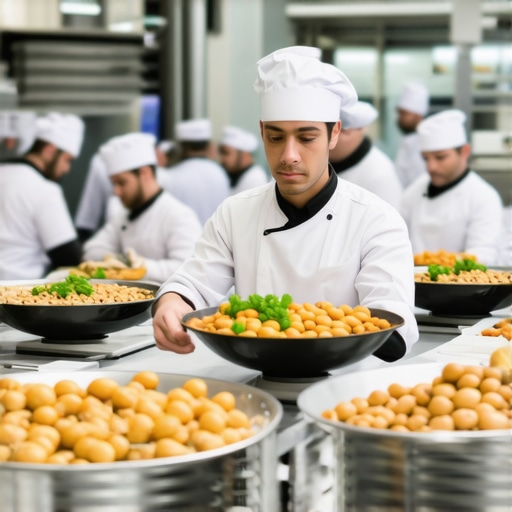
Try integrating a predictive maintenance schedule for your key appliances—this proactive approach minimizes downtime and guarantees your team can focus on delivering memorable experiences. Consistently review and update your protocols, and you’ll build a resilient operation capable of scaling effortlessly for any occasion.
What I Wish I Knew Before Relying on Buffets
One of my earliest corporate events taught me that guests crave more than just hurriedly plated food—personal connections matter. I realized that the chaos of buffets often leaves guests feeling rushed and overlooked, which can tarnish the overall experience. This insight drove me to explore how private chefs can redefine event elegance, turning routine gatherings into memorable experiences.
How Fine-tuning Details Unlocks Exceptional Experiences
From meticulously crafting menus that cater to dietary restrictions to training staff for discreet, attentive service, the smallest details make the biggest difference. I discovered that proactive planning, like pre-event briefings and equipment checks, prevents last-minute surprises. These lessons have been pivotal in transforming ordinary corporate dinners into showcases of professionalism and care.
My Trusted Resources for Event Excellence
- Mastering Corporate Event Planning: This guide offers actionable strategies for seamless execution, emphasizing attention to small details that elevate guest satisfaction. I rely on it regularly for its practical insights.
- Secrets of Professional Servers: Understanding the nuances of server training has helped me select staff who blend efficiency with discretion, ensuring guests feel valued without distraction.
- Event Technology Trends: Embracing automation tools like centralized communication platforms has streamlined coordination, saving time and reducing errors during complex setups.
Take Action to Make Every Event Remarkable
Remember, the secret to memorable corporate events lies in your willingness to embrace personalized service and fine-tuned logistics. Don’t settle for mediocrity—invest in your team’s training, equipment, and planning routines. Your guests will notice the difference, and your reputation will flourish.
What’s one detail you’ve overlooked that could elevate your next corporate event? Share your thoughts or experiences below—I’d love to hear from you!