

It was a tight schedule, and I remember watching my team scramble during a wedding reception because I hadn’t set clear expectations from the start. The servers were rushing, guests were waiting too long, and I felt helpless, unsure how to fix the chaos on the fly. That lightbulb moment made me realize—managing a catering team in a non-union venue isn’t just about knowing the menu or the timing; it’s about creating smooth coordination and a cohesive team vibe. If you’ve ever faced similar turmoil—rushing during a critical moment or feeling like everyone’s improvising without a safety net—you know how frustrating and stressful it can be. Today, I’ll share proven strategies that transformed my approach, making me a more confident leader and ensuring every event runs seamlessly.
Why Consistent Team Management Boosts Event Success
Managing a catering team without the backing of union structures means you’re wearing multiple hats—coach, referee, problem-solver—all at once. When team dynamics aren’t aligned, the entire event might suffer. Clear communication, expectations, and well-defined roles are your secret weapons.
But here’s the kicker: Many overlook the importance of pre-event briefings. I used to assume that bright, eager servers would just ‘pick it up’ during the event. Big mistake. I learned early on that a quick, focused team briefing significantly reduces confusion and sets the tone for stellar service. Studies have shown that organizations with consistent pre-event communication enjoy 30% fewer service errors (source: https://gourmetcateringsco.com/effective-catering-strategies-for-corporate-event-impressiveness). That’s a game-changer.
Are you tired of last-minute chaos and miscommunications? If so, establishing a straightforward, repeatable process for managing your team is essential. Whether you’re running a wedding, corporate event, or a casual party, the principles are similar. Next, we’ll dig into the first step—how to get your team aligned from the moment the first staff member arrives, so your event doesn’t just happen; it flourishes.
Kick Off with Precise Team Briefings
On the day of a wedding reception, I arrived early and gathered my servers for a 10-minute briefing in the prep area. I laid out specific roles, highlighted the menu highlights, and discussed timing and flow. This quick session aligns everyone’s expectations, much like a football coach rallying the team before the game. During the event, I noticed fewer missed cues and quicker responses, which kept the service smooth and guests satisfied. To get similar results, create a structured briefing that covers primary responsibilities, key points to remember, and potential challenges. Remember, the goal is clarity—ambiguity breeds chaos.
Implement a Visual Communication System
During a summer wedding, I used colored wristbands to indicate meal preferences, reducing verbal exchanges and confusion at the buffet. This visual cue system helped servers deliver the correct items efficiently, much like traffic lights control flow. Incorporating simple, recognizable signals—like hand gestures or badge indicators—can prevent mix-ups. For example, during a corporate event, I trained servers to use a thumb-up signal when a table needed attention, streamlining service delivery. The key is consistency: ensure every team member understands and uses the signals fluidly. Learn more server techniques here.
Develop a Pre-Event Checklist
Think of your event like a racecar; every component must be checked before crossing the finish line. I once created a detailed checklist covering setup, staffing, equipment, and contingency plans. This checklist acted as my safety net, catching overlooked details like missing utensils or broken chafers before guests arrived. Distributing this list among your team and reviewing it together ensures everyone understands their responsibilities, reducing last-minute surprises. A comprehensive checklist sets the tone for professionalism and efficiency, directly impacting guest experience and event success.
Assign Clear Roles to Prevent Overlap
During a large wedding, I assigned specific zones to each server—drinks, appetizers, main courses—so there was no redundancy or gaps. This role clarity is akin to different crew members on a ship working in designated areas; coordination becomes seamless, and errors decrease. Use visual aids, like zone maps, to illustrate responsibilities during briefings. When everyone knows their job and boundaries, the team moves like a well-oiled machine, ensuring guests receive prompt, attentive service. For more insights on optimizing server roles, check effective catering strategies.
Practice a Command and Response Protocol
In a corporate conference, I instructed servers to repeat back special requests—While many believe that flawless catering hinges solely on choosing the right menu or venue, the reality is far more nuanced. One widespread myth is that standard service styles, like buffet or plated dinners, are interchangeable based on event size. In truth, the choice significantly impacts efficiency and guest experience, especially at high-pressure events like corporate conferences or weddings. For example, using a well-planned grazing table can reduce wait times and encourage mingling, but only if executed with expert precision—that’s where understanding the subtleties of layout and flow makes a difference.
Many underestimate the importance of server experience, assuming that training alone suffices. However, seasoned professionals adapt dynamically to unforeseen issues, maintaining guest satisfaction even amidst chaos. This expertise becomes evident during last-minute adjustments, such as accommodating dietary restrictions or managing equipment failures, where a lack of experience can turn minor issues into full-blown disasters. According to industry experts, investing in pre-event training that simulates real scenarios dramatically improves service resilience.
A common trap is overloading staff with too many responsibilities, believing multitasking saves costs. Yet, this often results in rushed service, overlooked details, and lowered guest satisfaction. The key is role clarity—assigning specific tasks and zones preemptively prevents overlap and confusion. For instance, having dedicated servers for different food stations ensures timely refreshes and cleaner stations, leading to smoother flow.
An often-overlooked aspect is the importance of detailed pre-event planning beyond checklists. This includes scenario planning for potential disruptions, like power outages or staff shortages. Being prepared for such ‘black swan’ events allows the team to pivot swiftly, maintaining service quality. Industry research indicates that events with robust contingency plans experience 25% fewer post-event complaint calls.
So, how do these nuances translate into real-world success? It starts with expert-level training, strategic planning, and a deep understanding of the specific event context. Recognizing that one size doesn’t fit all can elevate your catering from good to unforgettable.
> Have you ever fallen into this trap? Let me know in the comments!
For more insights on elevating your catering game, check out effective catering strategies for impressiveness and improve every detail from start to finish.Maintaining seamless catering operations for weddings, corporate events, and large-scale gatherings demands more than just skilled staff and great menus; it requires reliable tools and consistent maintenance routines. Investing in the right equipment and software ensures your team can deliver exceptional service every time while reducing errors and delays.
One game-changing tool I personally rely on is TouchBistro, an intuitive point-of-sale system tailored for food service. It streamlines order management, tracks inventory in real-time, and facilitates quick communication between the kitchen and serving staff. During a high-pressure corporate event, I used TouchBistro to monitor order status and reassign duties instantly, preventing bottlenecks and ensuring timely service. Its offline mode is a lifesaver during power outages, guaranteeing operations continue without disruption.
For scheduling and team coordination, Using Asana for task assignments has significantly improved my team’s accountability. Clear, shared task lists prevent overlaps and overlooked responsibilities, especially for multi-station setups or large crew arrangements. Regularly updating and reviewing these plans ensures everyone stays aligned, which is crucial when scaling to bigger events.
Equipment maintenance is equally critical. Regularly inspecting portable chafers, portable heating units, and other essential kitchen gear prevents last-minute failures that could spoil the experience. Equipment downtime can be minimized with scheduled check-ups—think of it as preventative healthcare for your tools. For mobile catering setups, I recommend creating a maintenance checklist tailored to your equipment, with records to track service intervals.
Looking ahead, the trend is moving towards integrated digital systems that combine inventory, scheduling, and real-time troubleshooting. AI-driven analytics can forecast demand more accurately, reducing waste and ensuring your team is deployment-ready for any event size. Embracing these advancements early will give you a competitive edge.
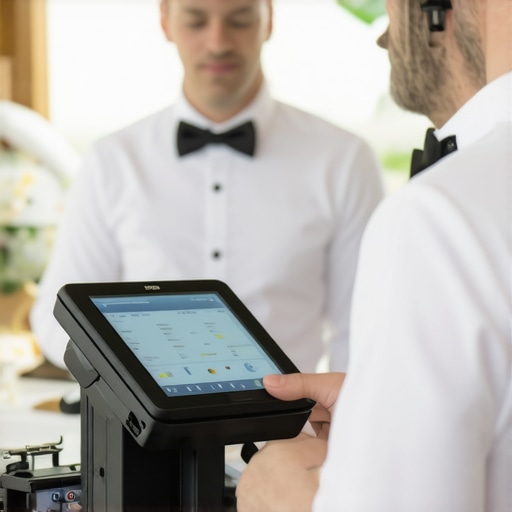
To maximize reliability, I advise establishing a dedicated maintenance plan for your mobile setups and investing in user-friendly management software. This dual approach ensures your operations are resilient over time, saving costs and enhancing guest satisfaction. Think of it as the difference between driving a well-oiled machine and a rattling contraption—your guests will notice.
For detailed insights on optimizing server efficiency, read this guide. I recommend you try implementing a maintenance schedule for your key equipment this week—it’s an advanced step that pays dividends in seamless execution.
Lessons That Still Shine Bright in My Catering Journey
One of the most profound lessons I learned was that technical expertise alone doesn’t guarantee flawless service. It’s the subtle insights—like recognizing the importance of pre-event rehearsals—that truly transform a good team into an exceptional one. I once overlooked this and faced a chaotic buffet line that could’ve been avoided. Now, I know that small, consistent check-ins during the event, just like a pilot’s cockpit scan, can prevent big issues later. Another lightbulb moment was realizing that empowering your team to make on-the-spot decisions fosters confidence and smoother operations. Lastly, understanding your venue’s quirks—like tricky load-in paths or signal interruptions—means you’re prepared, not surprised. These lessons aren’t just tips; they’re foundational truths that elevate your catering game beyond the typical.
Tools and Wisdom That Keep Me Ahead in Catering
Over the years, I’ve come to rely on several trusted resources that have reshaped my approach. Innovative catering ideas for weddings keeps my creativity fresh, inspiring unique presentation concepts. For team management, top server tips offer practical techniques to improve service flow and guest interactions. In operational planning, the comprehensive checklists at event success serve as my blueprint, ensuring no detail is overlooked. These resources are my go-to guides because they combine proven strategies with innovative ideas, keeping my catering service predictable and extraordinary.
Believe in Your Potential to Lead Amazing Events
Every catering professional has the power to create unforgettable moments, but it starts with confidence and a willingness to learn. The journey to mastery isn’t about perfection—it’s about resilience, continuous improvement, and embracing the nuances that make each event special. Whether you’re orchestrating a bustling wedding reception or a high-stakes corporate dinner, remember that your leadership sets the tone. Invest in your team, stay adaptable, and give yourself permission to grow. The future of stellar catering is in your hands—ready to make every event phenomenal. So, what’s one change you’re excited to implement next? Share below, and let’s grow together!