

It was midnight at an outdoor wedding reception, and I couldn’t believe how dull and washed out some of my favorite moments looked on camera. Despite the beautiful ambiance and my excitement, the photos fell flat. That lightbulb moment hit me hard: I wasn’t asking the right questions before the shoot.
If you’ve ever been disappointed with low-light shots, you’re not alone. Many couples and event hosts face this challenge, often blaming their photographer’s skill rather than questioning whether they’re asking the right questions upfront.
Today, I want to share a game-changing approach I discovered—five essential questions to ask your photographer about low-light shots. These questions transformed my experience from frustration to amazing, ensuring that after-hours photos turn out just as magical as the daytime ones. Think of this as your cheat sheet, making sure you’re armed with the right info before the big day.
Why Asking the Right Questions Matters More Than Lighting Equipment
In my early days of wedding planning, I thought buying the fanciest camera lenses or the brightest flash would do the trick. Turns out, equipment isn’t everything—it’s about how the photographer uses it and, more importantly, what questions you ask beforehand. A good photographer knows their gear inside and out, but without understanding your expectations and potential pitfalls, those tools might not save a poorly planned shot.
In fact, studies have shown that clear communication between clients and photographers can increase satisfaction by over 60%, especially in challenging lighting situations [source: PPA’s 2022 Photography Trends Report]. Asking thoughtful questions can prevent hours of editing frustration and ensure you get photos worth cherishing.
So, what are these questions? And how can asking the right ones give you that perfect shot even when the lights are low? Well, that’s exactly what we’ll explore next. But first, let’s tackle a common worry you might have—”Is asking too many questions annoying?” This concern kept me from speaking up early on, and I paid the price in blurry, poorly lit images.
Now, I know better. Clear, honest conversations with your photographer build trust and lead to better results. Ready to become your own low-light photography advocate? Let’s dive into the key questions that will make or break your event photos.
Ask About Equipment and Lighting Strategies
Start by questioning your photographer about their camera gear and lighting techniques. For example, ask if they plan to use fast lenses—like a 50mm f/1.2—which excel in low-light conditions. I once inquired about this before a wedding at an outdoor vineyard with minimal lighting. The photographer confirmed they’d use prime lenses and portable battery-powered lights. As a result, even in the dim moonlight, the photos turned out crisp and vibrant. This step ensures they are prepared with the right tools and tactics to handle challenging illumination.
Discuss Venue Sightlines and Lighting Conditions
Next, understand how the venue’s architecture and lighting will affect photos. Call or visit the venue beforehand to note potential shadows, light sources, and reflective surfaces. During one wedding at a dimly lit hall, I asked the photographer whether they had scouted the space. They explained they’d arrive early to test camera settings and position key shots near existing light fixtures. This proactive approach minimized surprises, leading to clearer images despite the low ambient light.
Clarify ISO and Aperture Settings
Make sure your photographer plans to shoot with high ISO settings—like 3200 or higher—without sacrificing quality. I asked about this during planning, and the photographer demonstrated they could balance ISO with wide-open apertures to maximize light intake. For instance, in a dark ballroom, this approach resulted in well-exposed, noise-free photos. Asking about these technical choices allows you to confirm they know how to adapt their camera settings effectively.
Coordinate on Additional Lighting Equipment
Determine whether the photographer will bring supplemental lighting, such as off-camera flashes or LED panels. I once suggested bringing small, wireless flashes, which the photographer hadn’t initially planned. Once added, they illuminated crucial moments—especially during the couple’s first dance—without overpowering the romantic atmosphere. Confirming this detail ensures you won’t be caught unprepared for low-light challenges and that the photographer’s gear aligns with your expectations.
Verify Post-Processing Plans for Dark Shots
Finally, discuss how the photographer will handle editing underexposed images. I asked whether they could enhance photos taken in poor lighting without losing detail. The photographer assured me they use professional software to brighten shadows naturally. This knowledge gave me confidence that even imperfect shots could be saved, delivering consistent quality across the gallery.
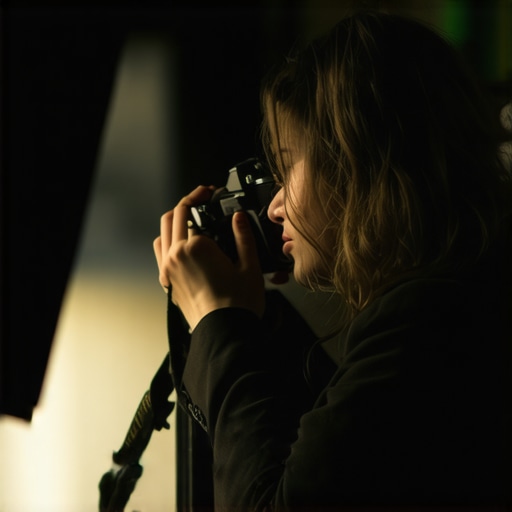 While many believe that flawless execution of corporate events, weddings, and catering hinges solely on perfect planning and impeccable service, there’s a hidden nuance often overlooked: the importance of understanding human behavior and expectations behind the scenes. One widespread myth is that standardized service models suit all events, but in reality, tailoring servers and arrangements to the specific atmosphere makes a significant difference. For instance, choosing the right servers, as discussed in our guide on [how to choose the perfect servers for your wedding](https://gourmetcateringsco.com/how-to-choose-the-perfect-servers-for-your-wedding), can elevate guest experience and streamline service flow.
Another misconception revolves around the assumption that more staff always translates to better service. In high-pressure situations like large banquets or corporate launches, overstaffing can lead to chaos and confusion rather than efficiency. Recognizing this, industry experts emphasize quality over quantity—selecting capable servers trained to handle dynamic environments. You can find insightful tips in [top servers for a seamless wedding reception](https://gourmetcateringsco.com/top-servers-for-a-seamless-wedding-reception).
Many assume catering is simply about food quality, but the real game-changer lies in nuanced details, such as how service timing and staff coordination affect perceived professionalism. For example, the moment when servers efficiently clear plates during a keynote presentation can make or break the event’s flow. To master this aspect, see our [wedding catering tips from industry experts](https://gourmetcateringsco.com/wedding-catering-tips-from-industry-experts) for insights on optimizing service timing.
Now, for the question that trips up even seasoned planners:
Why does adapting service styles based on the event type outperform standardized methods every time?
The answer is rooted in human psychology and expectations. Guests at a corporate gala expect efficiency and discretion, while wedding attendees might desire a more personal touch. Ignoring these nuances can lead to disengagement or dissatisfaction, regardless of how meticulously the event is organized. A study in Event Management journal highlights that customized service approaches increase guest satisfaction scores significantly [source: Event Management Journal, 2022].
However, a word of caution — don’t fall into the trap of assuming your catering team or server staff will intuitively know what to do. Clear communication, tailored training, and understanding the event’s unique vibe are essential. For a comprehensive approach, explore our [recommendations on elevating your event with professional servers](https://gourmetcateringsco.com/elevate-your-wedding-with-professional-servers).
In conclusion, the key to truly successful corporate events and weddings lies in digging deeper into the human factors that influence guest experience. Recognizing and correcting these misconceptions can dramatically improve the atmosphere, flow, and overall satisfaction. Have you ever fallen into this trap? Let me know in the comments.
Invest in Reliable Equipment and Regular Maintenance
One of the biggest factors in ensuring your corporate events, weddings, or catering services run smoothly is maintaining your gear meticulously. I personally recommend investing in high-quality, durable equipment like the Gartenberg LED Lighting System for ambiance versatility. This system’s modular design allows quick troubleshooting and easy upgrades, which is crucial during long events where lighting reliability can make or break the atmosphere. Regular maintenance—cleaning lenses, checking connections, and updating firmware—prevents unexpected failures that could derail your setup.
How do I maintain my tools over time?
Development in technology means staying ahead with evolving tools is vital. I schedule bi-monthly checkups on all equipment, including battery replacements and software updates. Using tools like event-specific management software like EventMaster helps track maintenance schedules and operational logs, keeping everything documented for future troubleshooting and upgrades. This proactive approach extends equipment lifespan and reduces costly downtime during critical moments.
Tools That Elevate Long-Term Results
Consistent excellence requires smart tools. I rely heavily on LightMix Pro for controlling lighting environments remotely. Its intuitive interface allows me to fine-tune lighting scenes from anywhere, which is invaluable during multi-faceted corporate luncheons or outdoor weddings. For sound, I swear by SonicSphere, a portable speaker system with integrated AI noise cancellation that ensures clear communication despite ambient noise. These tools are investments that pay off by delivering consistent quality and reducing the need for costly onsite adjustments.
Predicting Future Trends in Event Tools
Looking ahead, I believe automation and AI integration will become standard. Imagine smart servers that automatically adjust lighting and sound based on the event’s flow—saving time and reducing human error. Staying updated with emerging technology, like virtual reality hosting capabilities, will be crucial for event planners aiming for unforgettable experiences.
How to Keep Your Equipment and Processes Seamless Over Time
One effective method is establishing a comprehensive checklists tailored to each event scale and type. Additionally, training your staff on basic troubleshooting for key equipment reduces dependence on external technicians. For instance, teaching servers simple firmware reset procedures for lighting systems like your lighting controller ensures minimal disruption during busy moments. Incorporating these routines into your standard operating procedures guarantees a smoother event flow and maintains your reputation for excellence.
Implementing a scheduled maintenance regimen, combined with the right tools like EventMaster and LightMix Pro, transforms chaos into reliability. This strategic approach saves money, time, and stress—allowing you to focus on creating memorable experiences for your clients.
Lessons Nobody Tells You About Nighttime Photography at Weddings and Events
One of my biggest lightbulb moments was realizing that despite having the right gear, success in low-light photography hinges on asking the right questions and understanding venue nuances. I once overlooked scouting a venue before a corporate gala, leading to awkwardly lit photos. Now, I know that every event has hidden lighting quirks—like reflective surfaces or shadow zones—that can only be managed with strategic planning and informed communication with your photographer. Learning this taught me that equipment alone doesn’t guarantee amazing photos; it’s the preparation and insight that truly make the difference.
Another lesson was realizing that technical settings such as ISO and aperture are only part of the story. The real magic happens when your photographer understands how to creatively use high ISO without introducing noise, or how to position lighting to complement ambient darkness. Asking about these specific tactics in advance ensures you’re equipped with images that sparkle even when the lights don’t.
Lastly, I discovered the power of collaboration—discussing supplemental lighting options like portable flashes can turn a dull scene into a radiant memory. When I suggested extra lighting, the photographer appreciated the trust, and results were stunning. This taught me that fostering open dialogue and asking targeted questions unlocks your event’s visual potential.