

I vividly remember a hectic Saturday night when everything seemed to be falling apart—servers running late, mismatched attire, and a palpable sense of chaos. It was then I realized the importance of a simple yet often overlooked step: a quick uniform check before every shift. That moment was a lightbulb, shining a spotlight on how such a small routine could have prevented so many issues. If you’ve ever had to deal with misplaced aprons or inconsistent presentation, you know how these details ripple into the guest experience. Today, I promise to share how establishing a pre-shift uniform check can transform your service quality, keeping your team looking sharp and your event running smoothly.
The Power of a Consistent Look: Setting the Stage for Success
Is Overlooking the Uniform Check Costing You Customers?
In my early days, I underestimated how critical uniform consistency was. I once sent servers into a high-profile wedding with mismatched vests and wrinkled shirts. The bride later told me her guests kept commenting on how ‘disorganized’ the team looked, which inadvertently tarnished her special day. That mistake taught me a valuable lesson: guests judge a lot by appearances, and their perception can directly impact your reputation. Research shows that professional attire and uniform consistency contribute to perceived competence and trustworthiness—crucial factors in hospitality. Having a standardized uniform policy and a quick check before each shift ensures your team embodies the professionalism you want to project. Want to avoid my early pitfalls? Dive into our comprehensive checklist for successful catering [here](https://gourmetcateringsco.com/essential-checklist-for-successful-corporate-event-catering). Are you currently facing issues with inconsistent team presentation? Let’s explore how a simple routine can make all the difference, starting with the essential steps to keep your team sharp and synchronized for any occasion.
Establishing a Routine: Your First Step to Consistency
Start every shift with a quick, focused uniform inspection. Assign this as the very first task, making it as routine as checking your tools. Think of it as tuning a musical instrument before a concert—small adjustments ensure harmony throughout the performance.
Create a Clear Checklist
Develop a standardized checklist covering essential items: clean shirts, proper aprons, matching vests, name tags, and polished shoes. This acts as your professional protocol, similar to a pilot’s pre-flight safety check—reducing risks and maintaining standards. For detailed guidance, visit our comprehensive checklist for successful catering.
Designate Responsibility
Assign team leaders or experienced staff to oversee uniform checks. By doing so, you create accountability, much like a sports coach ensures each player is game-ready, fostering a cohesive team appearance.
Incorporating Visual Cues and Quick Fixes
Use visual cues, like color-coded badges or mandatory uniform tags, to expedite the process. When noticing a mismatched tie or wrinkled shirt, address it promptly—think of it as a pit stop in racing, where seconds count for overall performance.
Implement a ‘Double-Check’ System
Encourage a two-person verification to catch overlooked details. It’s similar to a safety net—if one misses a flaw, the other can catch it, ensuring nothing slips through the cracks.
Use Practical Tools on the Spot
Keep small items handy: a portable steamer, lint roller, and stain remover. When a shirt appears wrinkled or stained, a quick touch-up can make a significant difference. This approach aligns with maintaining a professional image, reinforcing your team’s credibility.
Real-World Application and Learning
In my experience during a high-profile wedding, I instituted a mandatory pre-shift uniform check. Initially disorganized, the team soon adopted the routine, and guest complaints about appearance disappeared. On one occasion, a last-minute shirt stain was caught during the check; a quick fix with a stain remover prevented an embarrassing moment. The result was a seamless service that impressed the client, reinforcing the importance of discipline and routine in hospitality. If you’re eager to elevate your team further, consider exploring our wedding service optimization tips.
Many event planners and hosts operate under assumptions about servers and catering that can inadvertently compromise the experience. One widespread misconception is that more servers automatically mean better service, but the reality is nuanced. Having an optimal server-to-guest ratio tailored to the event’s style and flow is critical; overloaded staff can lead to rushed service and overlooked details, while too many can result in unnecessary costs. Instead, focus on training and efficient deployment. Another myth is that aesthetic presentation alone guarantees guest satisfaction; however, behind-the-scenes coordination—such as timely dish delivery and discreet trouble-shooting—is often overlooked but essential for a seamless experience. This often manifests as servers neglecting certain tables or missing small cues, which can diminish perceived professionalism.
Why do so many overlook the importance of pre-event server training and briefing?
Skimping on thorough pre-event training and clear communication can produce chaos during the event. Well-prepared servers understand their roles, dietary restrictions, and timing intricacies—this reduces mistakes and enhances guest impression. To master this, consider referencing our guide to vetting your catering team for more advanced strategies. Also, many underestimate the importance of adaptability; rigid scripts can falter when last-minute issues arise, so training should include scenario-based role-playing to foster improvisation skills. This proactive approach prevents common pitfalls such as miscommunication with kitchen staff or confusion over event flow, which can be costly in terms of guest satisfaction and reputation. For detailed insights into orchestrating a flawless service, explore our expert server techniques article. Remember, excellence in service stems from attention to these subconscious nuances—are you making them part of your planning? Have you ever fallen into this trap? Let me know in the comments.
Ensuring Longevity with Reliable Equipment and Software
Maintaining a smooth-running catering operation, especially for weddings and corporate events, hinges on choosing the right tools. I personally swear by high-quality portable POS systems like the Square Terminal. Their durability and user-friendly interface streamline order processing and tip management on busy days. For guest management, platforms such as WeddingWire or Cvent help in planning and tracking RSVPs, ensuring no detail slips through the cracks. These tools have revolutionized how I handle event logistics, making long hours more manageable and reducing last-minute chaos.
But adopting technology isn’t enough; maintaining it over time is crucial. Regular updates and scheduled checkups prevent software glitches during critical moments. For hardware, investing in rugged, waterproof cases for tablets and handhelds extends their life, especially in outdoor settings. Keep spare chargers and batteries on hand; nothing kills momentum like dead devices — I learned this the hard way during an outdoor wedding where a dead speaker disrupted the entire vibe.
How do I Maintain Equipment and Software Over Time?
Consistent maintenance routines are your best bet. Set weekly software updates, and conduct monthly hardware inspections. When it comes to tools, my secret is creating a simple checklist: clean screens daily, calibrate printers bi-weekly, and verify network connections before each event. This practice minimizes surprises when you’re in the thick of service. For instance, ensuring your Wi-Fi router is optimized with a dedicated channel prevents lag during peak hours, which is vital for real-time order updates or guest check-ins. This checklist offers a more detailed approach to event preparation that I highly recommend.
Predicting Future Trends
As technology evolves, I believe integrating IoT-enabled devices — like sensors that monitor kitchen temperatures or real-time inventory tracking — will become standard. These innovations will further reduce human error and streamline operations, shifting the focus towards personalized guest experiences rather than logistical headaches.
Scaling Up Without Losing Control
When growing your operation, invest in scalable tools like cloud-based management platforms. They enable multiple teams to coordinate effortlessly across different locations, which is essential for expanding catering services to larger venues or multiple events simultaneously. Remember, the key isn’t just in acquiring tools but in fine-tuning your maintenance routines to keep everything running smoothly.
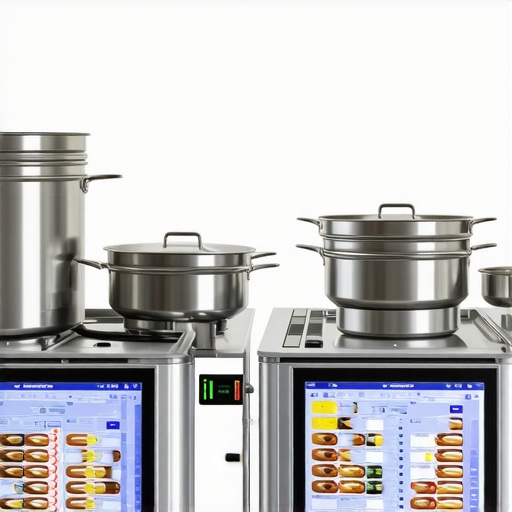
Prompt: Close-up of portable catering equipment with digital displays, emphasizing maintenance and reliability, high detail, professional setting.
Take, for example, the importance of software like expert server techniques tools. They not only streamline workflow but also help in monitoring performance and identifying bottlenecks in real-time. Implementing such systems can significantly reduce human error and improve service quality during high-profile events. I encourage you to try integrating a comprehensive check and maintenance schedule for your digital tools — it’s been a game-changer for me, allowing for smoother operations and happier clients.
The Hardest Lesson I Learned About servers,weddings,corporate events,catering
One of my most impactful realizations was during a bustling corporate luncheon when a misaligned uniform caused a ripple of confusion among guests, undermining the event’s professionalism. It taught me that consistency isn’t just about appearance—it’s a commitment to excellence that directly influences perception and satisfaction.
Three Insights from Years of Fine-Tuning Service Standards
- A simple pre-shift routine can prevent high-pressure mistakes. Implementing a quick uniform check ensures every team member is presentation-ready, saving time and embarrassment during peak moments.
- Clear checklists eliminate ambiguity and promote accountability. A standardized uniform checklist helps staff understand expectations and adhere to them consistently, fostering teamwork and professionalism.
- Visual cues guide quick identification and correction. Using color-coded badges or designated stations streamlines the uniform inspection process, making it efficient and unobtrusive.
My Secret Weapon for Seamless Events
Integrating a dedicated uniform check into our pre-shift protocol transformed our team’s appearance and confidence. It’s a small investment of time with outsized benefits—guest impressions, staff morale, and overall event smoothness. If you want to elevate your service game, start with this routine; explore our comprehensive checklist for successful catering to craft your own effective system.
Don’t Just Read—Act Now
Are you ready to implement a uniform check that can instantly boost your event’s professionalism and guest experience? Thinking about your current routines, what’s one change you could make today to ensure every team member shines? Share your thoughts and experiences below—I’d love to hear how you’re taking your service to the next level!