

I remember the exact moment I realized my event photos weren’t doing justice to the memories I spent hours planning. It was a beautiful wedding, full of laughter and heartfelt speeches—yet when I looked at the photos later, everything seemed dull, lifeless. The colors washed out, the faces barely recognizable against the overly bright background. Frustration hit me hard—but then came my lightbulb moment: the real culprit wasn’t in the camera, nor the photographer’s skill, but in the way I approached the lighting and camera settings.
Say Goodbye to Blurry, Washed-Out Memories
Many event organizers and amateur photographers face this same issue. Your photos could be stunning, capturing smiles and moments forever, but instead, they look flat and bleached out. Why does this happen? It often boils down to a simple mistake: overlooking the importance of proper lighting and camera calibration in challenging conditions. When lighting isn’t optimal, cameras struggle to capture the correct exposure, resulting in images that lack depth and vibrancy.
But don’t worry. Today, I’ll share how I went from constantly battling washed-out photos to consistently capturing vibrant, true-to-life images. These tips are rooted in my own experience—and trust me, they work. If you’ve ever faced disappointment when reviewing event photos, this guide will help you turn things around.
Is Overexposure Really the Biggest Problem?
Early on, I made the mistake of thinking that just having a decent camera was enough. I didn’t pay attention to how lighting conditions affected exposure. I thought, “Heck, auto mode will fix everything,” but it often didn’t. Learning to manually adjust settings or utilize the camera’s exposure compensation makes a world of difference. A study by the Digital Photography School highlights that overexposure is one of the most common causes of dull images—something I experienced firsthand.
If you’re tired of seeing your event photos look washed out despite professional intentions, stick around. I’ll guide you through simple, practical steps—whether you’re using a DSLR or just your smartphone—that will help you preserve those beautiful moments in all their vibrancy. Ready to ditch the dull photos once and for all? Let’s get started.
Adjust Your Camera Settings Like a Pro
Start by switching your camera from auto mode to manual or semi-automatic modes. For example, setting the ISO to a lower value such as 100-400 reduces graininess in bright settings, ensuring clarity. Use aperture settings like f/2.8 to f/4 for portraits, which create a beautiful background blur that brings focus to faces. Shutter speed should be fast enough—around 1/200s—to freeze motion, especially during lively moments.
Practice with Your Equipment
I recall a wedding where I initially relied on auto settings, resulting in dull images. During the ceremony, I manually adjusted ISO and shutter speed based on the changing light conditions. Despite a few shaky shots at first, the next few frames were crisp and vibrant. Continuous practice with your specific device will help you intuitively know which settings to tweak for different scenarios.
Utilize Available Light Skillfully
Evaluate the ambient lighting before the event begins. If indoors, consider using soft diffused lights or reflectors to bounce light onto subjects. During outdoor daytime, position guests so they face the light source, avoiding harsh shadows on faces. At dusk or evening, supplement natural light with portable LED panels to maintain a consistent bright environment.
Control Light and Reduce Noise
In low-light situations, increasing ISO can introduce noise, degrading image quality. Instead, add external lighting sources or use camera settings like a wider aperture and slower shutter speed if the scene allows. My experience recording a sunset ceremony taught me that balancing ISO and shutter speed yields richer, cleaner images.
Leverage Editing to Enhance Vibrancy
After capturing photos, use editing software to fine-tune exposure, contrast, and color saturation. A quick boost in vibrancy makes those reds and blues pop, bringing your photos closer to what the eye saw. Remember, aim for natural enhancement rather than over-saturation, which can look artificial. This step can salvage photos that were slightly underexposed or dull during shooting.
Check Your Photos Before Guests Leave
Review images on a larger screen during the event. Spot issues like poor lighting or motion blur early, so you can retake crucial shots or adjust your settings. This proactive approach prevents disappointment during post-event editing and ensures invaluable memories are preserved in the best quality.
Most people assume that choosing a reputable caterer or seasoned servers guarantees flawless event execution, but the reality is far more nuanced. A common misconception is that delivering quality food and impeccable service is purely about the menu and the staff’s technical skills. In truth, the subtle details—like synchronization among servers, understanding guest flow, and mastering timing—can make or break the experience. Many overlook that the most successful catering strategies involve seamless coordination and anticipation of guest behavior, not just excellent food. For example, misjudging the pacing of courses often leads to long waiting times, causing guests to become restless and detracting from the event’s overall atmosphere. An advanced pitfall many fall into is the assumption that digital tools alone can replace human judgment; in high-stakes settings, intuition and experience in managing flow are irreplaceable. External research from hospitality expert Dr. Susan Anderson emphasizes that the “hidden strengths” of a catering team—such as proactive communication and adaptability—are what elevate an event from good to unforgettable. Beware of the trap where hosts focus solely on menu variety while neglecting service logistics. This oversight can lead to bottlenecks, overcrowding, or uneven service that diminishes guest satisfaction. To avoid this, invest in pre-event briefings and detailed flow planning—yes, even for smaller gatherings. Enter the realm of advanced event execution where understanding the ‘why’ behind service patterns is crucial. For instance, spacing out appetizers properly and timing staff movements ensures guests remain engaged, yet never overwhelmed. Want to truly impress your guests? Incorporate strategies like staggered serving or custom plate setups, which require deeper insight than standard practices. This approach demands that you look beyond the menu and into the invisible choreography behind the scenes. Curious about how to implement these sophisticated techniques? Check out effective catering strategies for corporate events or explore latest wedding catering trends that highlight the importance of nuanced execution. Remember, mastery lies in the details—the unspoken rules that experienced caterers and servers follow instinctively. 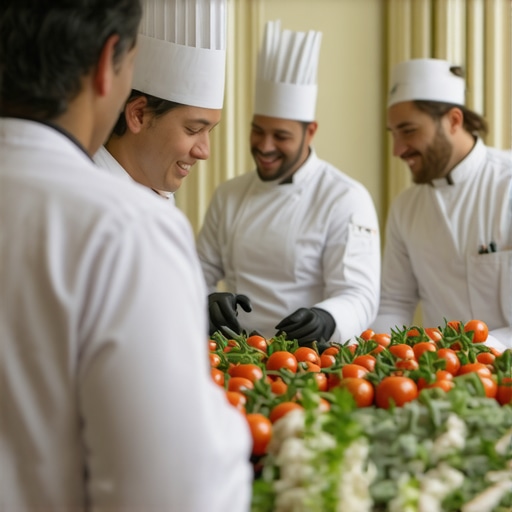 Effective management of catering, corporate events, and weddings hinges on reliable tools and consistent maintenance. From high-quality software to durable equipment, having the right resources ensures your team can deliver exceptional experiences every time. Invest in a comprehensive event management platform like **Caterease** or **Social Tables**, which streamline planning, guest tracking, and floor layouts. These tools help prevent scheduling conflicts and optimize space utilization, ultimately elevating guest satisfaction. Personally, I vouch for **Eventbrite** for ticketing and registration—its intuitive interface reduces errors and saves time. Regularly maintaining your equipment is equally vital; for servers and portable kitchen appliances, establish a routine cleaning schedule to prevent breakdowns during critical moments. For example, inspecting and calibrating your warming trays and chafing dishes weekly minimizes unexpected failures. Additionally, stock up on essential spare parts like thermostats and heating elements to quickly address malfunctions without disrupting your service. Predicting future trends, integrated tools with AI capabilities are evolving to anticipate staffing needs and inventory shortages, further reducing operational bottlenecks. How do I maintain consistency over time? Create a detailed checklist for routine inspections, assign responsibility to dedicated team members, and document any issues encountered. Using digital checklists via apps like **Teamwork** or **Trello** ensures accountability and transparent communication. Staying ahead requires proactive maintenance and leveraging technology that adapts to your workflows. For instance, integrating **KitchenDisplay** systems can optimize food prep and reduce waste—saving costs and impressing clients. Don’t wait for equipment failure to act; implement a scheduled maintenance plan to keep everything working seamlessly. Remember, smooth operations aren’t just about fixing problems as they arise—they’re about preventing them altogether. Try scheduling bi-weekly equipment checks and see how much more reliable your services become. Investing in the right tools and consistent upkeep is an ongoing process that pays dividends in guest satisfaction and team efficiency.
What I Wish I Knew About Lighting and Capturing Memories
Throughout my journey in event catering and photography, I realized that the magic isn’t just in the equipment but in how you harness natural and artificial light. One profound lesson was learning to read the environment—understanding when to use reflective surfaces, diffusers, or external lights to create a warm glow that complements everyone’s smile. These subtle decisions have had the most impact on delivering photos that truly resonate with the emotion of the moment.
Another insight came from recognizing that perfect exposure isn’t about the camera’s auto mode but about trusting your eye and adjusting settings manually. The same applies to managing service—anticipating guest needs and adjusting your approach in real-time elevates the experience beyond expectations.
Finally, I discovered that editing is a powerful tool, but only when you capture well-exposed, vibrant images from the start. It’s about blending skillful lighting, camera calibration, and post-processing finesse to produce memories that outlive the event itself.
Tools That Elevate Every Catering and Photography Moment
For photographers, the amazing features of DSLR or mirrorless cameras with manual controls have been game-changers, allowing precise adjustments for lighting conditions. I also rely heavily on portable reflectors and diffusers, which are portable and versatile, turning even challenging indoor light into flattering illumination.
In catering, using event management platforms like Caterease streamlines setup and service flow, reducing lighting and logistical glitches that can affect guest experience. Regular equipment maintenance, like calibrating warming trays or replacing worn-out bulbs, ensures seamless service—truthfully, nothing is more satisfying than knowing your tools work flawlessly when it matters most.
Moreover, investing in advanced lighting solutions and backup generators minimizes surprises, supporting your team’s confidence and your clients’ satisfaction. Remember, technology is an enabler, but knowing when and how to use it makes all the difference.
Ignite Your Passion and Make Every Moment Shine
Your event moments deserve to be unforgettable in every detail—from the lighting that frames smiles to the service that makes guests feel special. When you master the art of capturing and delivering vibrant images and seamless service, you turn ordinary gatherings into cherished memories. Don’t be afraid to experiment, learn from each event, and invest in the right tools and techniques. Your dedication will reflect in every picture and every guest experience, making your reputation truly shine.
What’s the one lighting trick you’ve found most effective during a busy event? Share your story below—I’d love to hear how you make moments memorable!